Why a problem-first approach matters
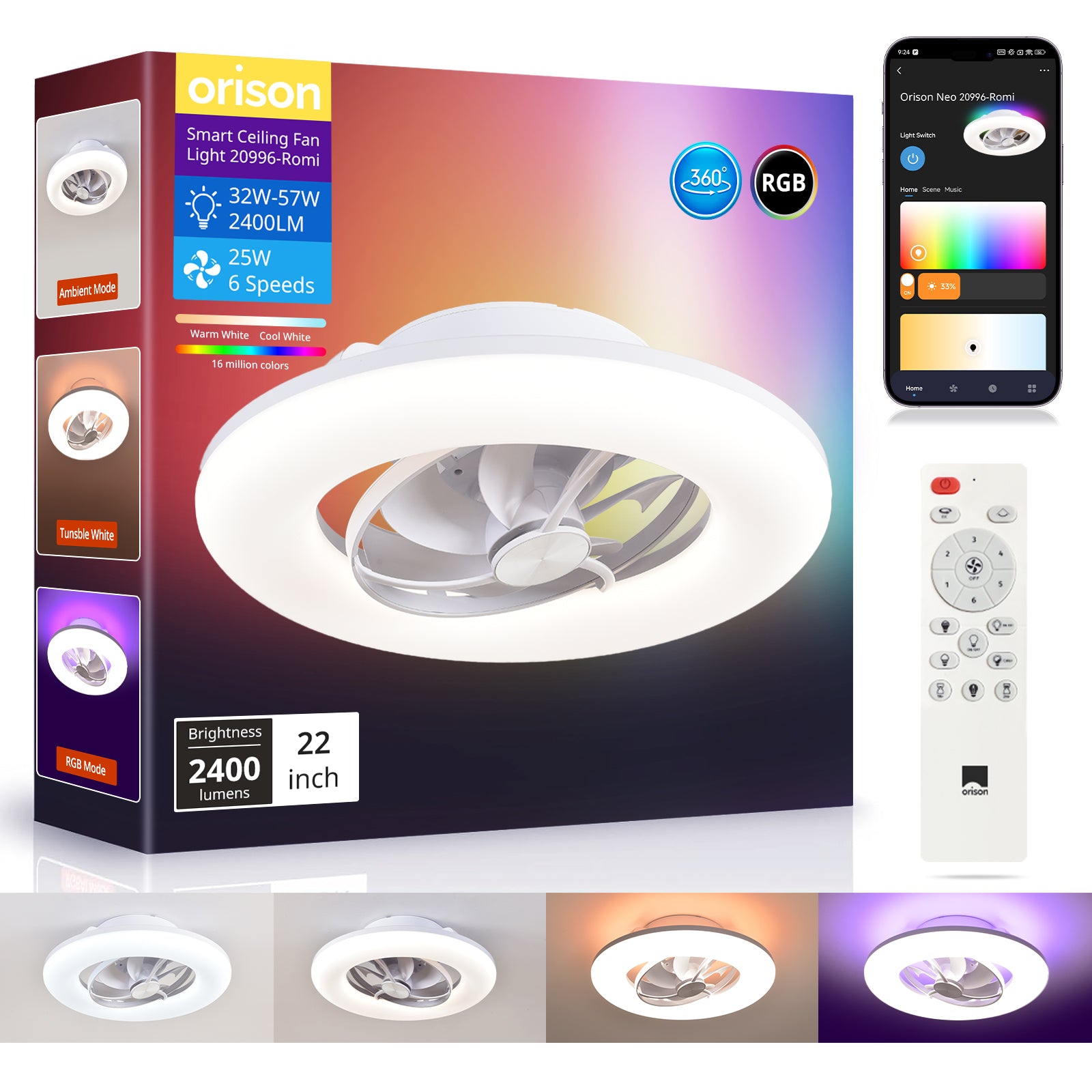
Outdoor fans promise comfort and lower cooling loads, but real installations often fail on three fronts: inadequate airflow, unreliable controls, and poor weather resilience. Start with problems, not product blurbs — that makes procurement and installation decisions repeatable and measurable. For example, the U.S. Department of Energy recommends ceiling fans as a complementary strategy to reduce HVAC strain by improving perceived comfort, so getting CFM and motor efficiency right matters for energy outcomes. If you’re comparing options, begin by testing an actual ceiling rotating fan in the target space to verify performance against your expectations.

Common outdoor fan problems to diagnose
Focus on these failure modes first:
- Insufficient airflow vs. space size — headline CFM claims rarely match real-world placement and obstructions.
- Control fragility — remote pairing, PWM dimming for lights, and multi‑fan group control can be brittle across vendors.
- Environmental wear — low IP rating, corroded fasteners, and inadequate bearings kill longevity.
Diagnose with simple checks: measure airflow at seating height, test remote pairing across distances/walls, and verify IP or corrosion-resistant coatings on spec sheets.
How to measure success: practical metrics
Turn subjective comfort into objective pass/fail criteria. Use three primary metrics:
- Airflow (CFM) at operating speed and at seating plane — compare specified vs. measured values.
- Control reliability — number of successful remote pairings and latency under interference (2.4 GHz networks or crowded RF environments).
- Ingress protection and durability — IP rating and salt‑spray/corrosion resistance for coastal installations.
Include secondary checks like motor efficiency and fan oscillation range if the unit supports it. Document results in a short checklist for vendor comparison.
Design and installation fixes that work
Practical remedies reduce callbacks and rework:
- Match fan diameter and blade pitch to cubic volume, not just square footage; blade design affects effective CFM.
- Prioritize motors with proven efficiency and sealed bearings for outdoor use — they sustain airflow and reduce maintenance.
- Specify a minimum IP44 for covered patios and IP55+ for exposed locations; add sacrificial zinc fasteners in coastal zones.
- Test the light system’s lumens and color temperature on-site and verify PWM dimming compatibility with your dimmers.
Also test remote pairing before final sign-off — a quick multi-unit pairing exercise uncovers address conflicts and interference issues early. —
Common mistakes teams make (and how to avoid them)
Teams often skip three steps that lead to failures:
- Assuming showroom claims map to in‑place performance. Always bench‑test CFM and light output in situ.
- Overlooking integration with existing smart systems — incompatible pairing protocols (proprietary RF vs. Zigbee or Bluetooth mesh) cause fragmentation.
- Underestimating mounting and clearance needs; poor mountings amplify vibration and reduce fan life.
The fix: require a site test, insist on protocol specs, and include vibration limits and torque specs in the installation scope.
Alternatives and vendor comparison approach
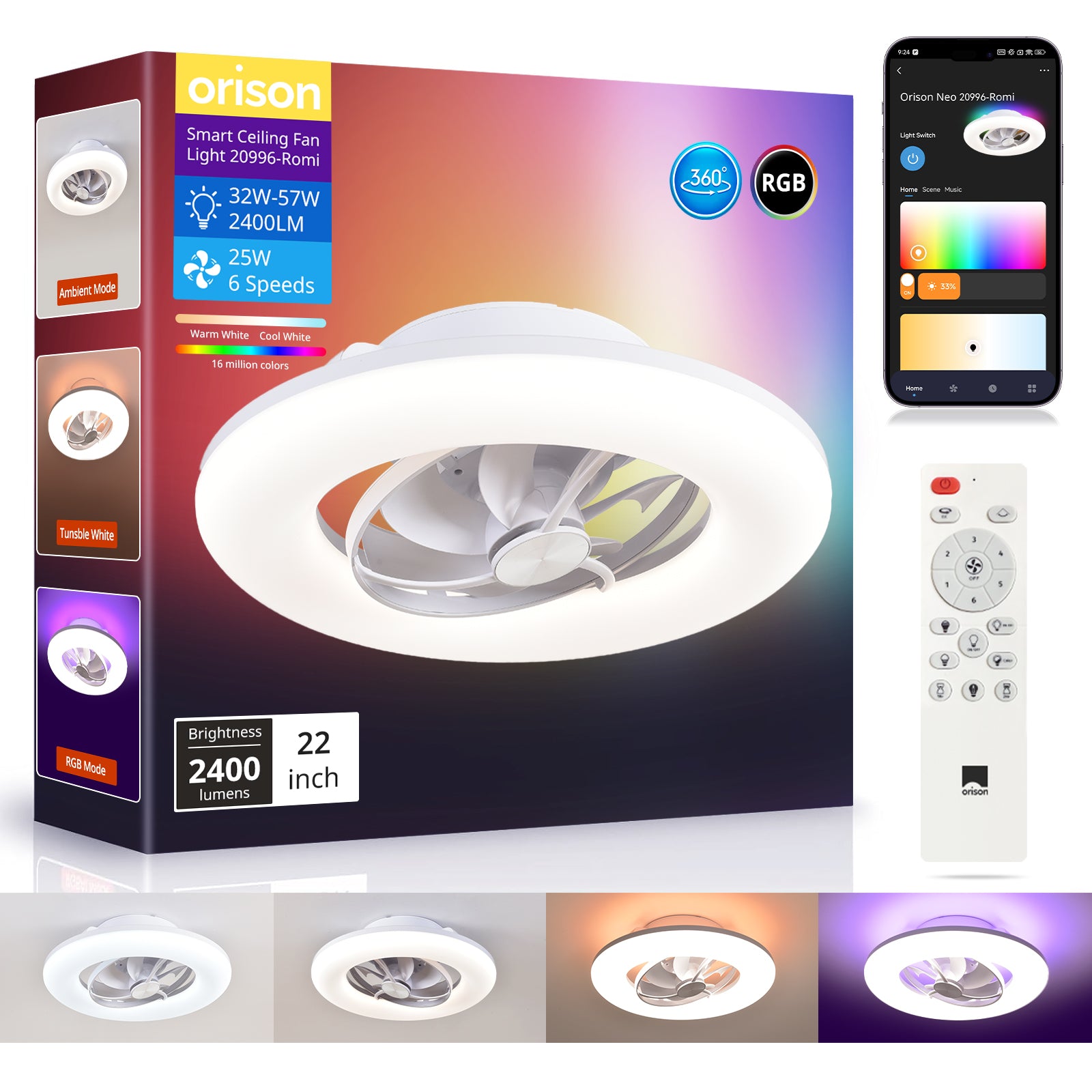
When evaluating products, compare across three vendor archetypes: commodity suppliers (low unit cost, limited smart features), smart-integrated manufacturers (built-in remote and app control), and specialty durable brands (higher IP, marine-grade materials). If you need oscillation and advanced remote features, test an oscillating ceiling fan with remote against a baseline commodity fan for both airflow and pairing reliability. Document trade-offs: cost vs. control, durability vs. weight, and energy draw vs. blade efficiency.
Quick checklist before purchase
Use this short procurement checklist to avoid rework:
- Measured CFM at seat level meets spec.
- IP rating suitable for environment and corrosion mitigation specified.
- Control protocol documented (RF, Bluetooth, Zigbee) and interoperability tested.
- Light output and dimming tested with site dimmers.
- Manufacturer provides first‑article test sample and mounting torque specs.
Advisory: three golden rules for selection
1) Value operational metrics over marketing claims — require on-site CFM and lumens verification. 2) Insist on protocol transparency — choose fans whose remote pairing and network behavior you can validate. 3) Design for environment — set minimum IP and corrosion standards tied to expected exposure and maintenance cadence.
When you follow these rules, you reduce field fixes and extend system life — and that’s exactly where a well-specified product from Orison becomes the pragmatic solution for smart, durable outdoor installations.