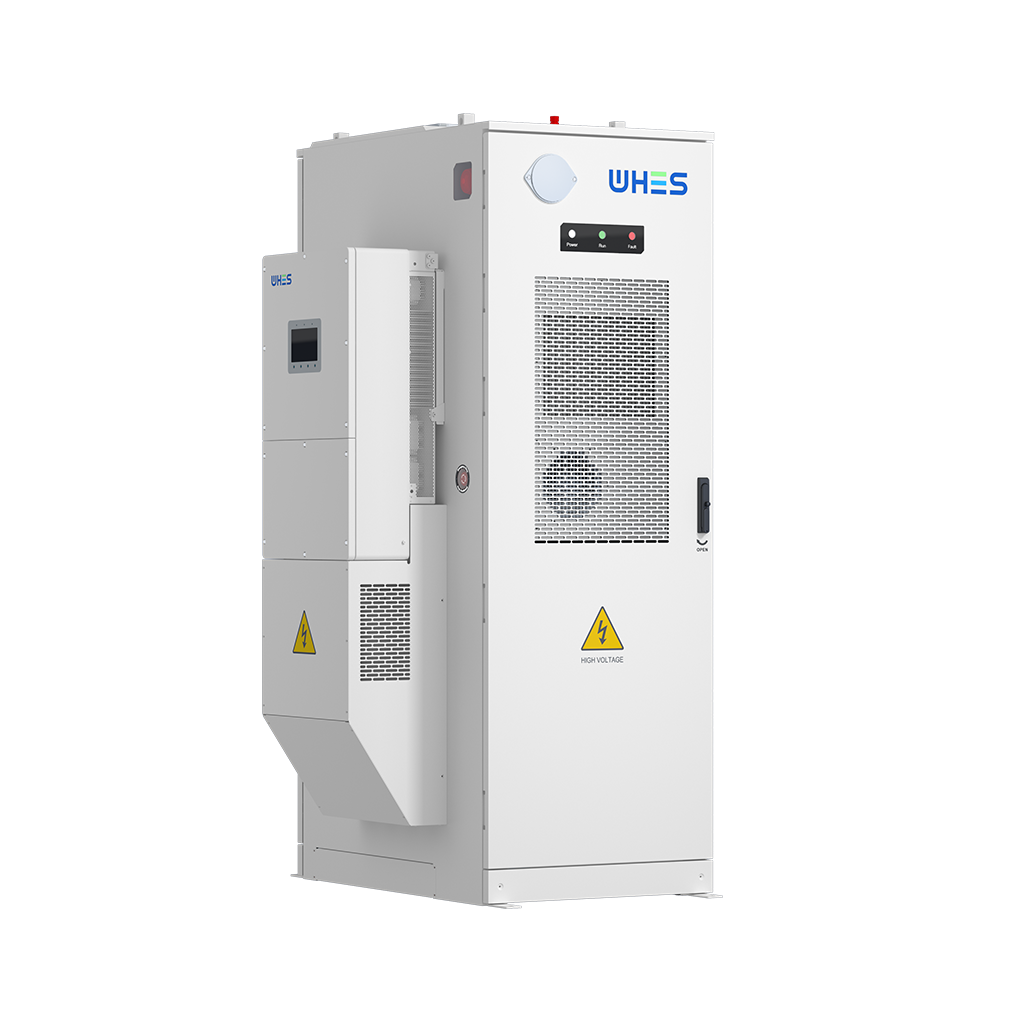
The problem — unseen cell ageing wrecks uptime and costs you money
When batteries age early, nobody notices until capacity drops or a pack trips mid-shift — then hor, the downtime and replacement bills hit hard. For behind-the-meter industrial systems, whether rooftop-integrated or containerised solar battery storage, early cell degradation shortens cycle life and erodes return on investment. Problem-driven approach: find the root causes before they cascade — thermal hotspots, current imbalances, or localized SoH (state-of-health) decline — and you reduce risk fast.
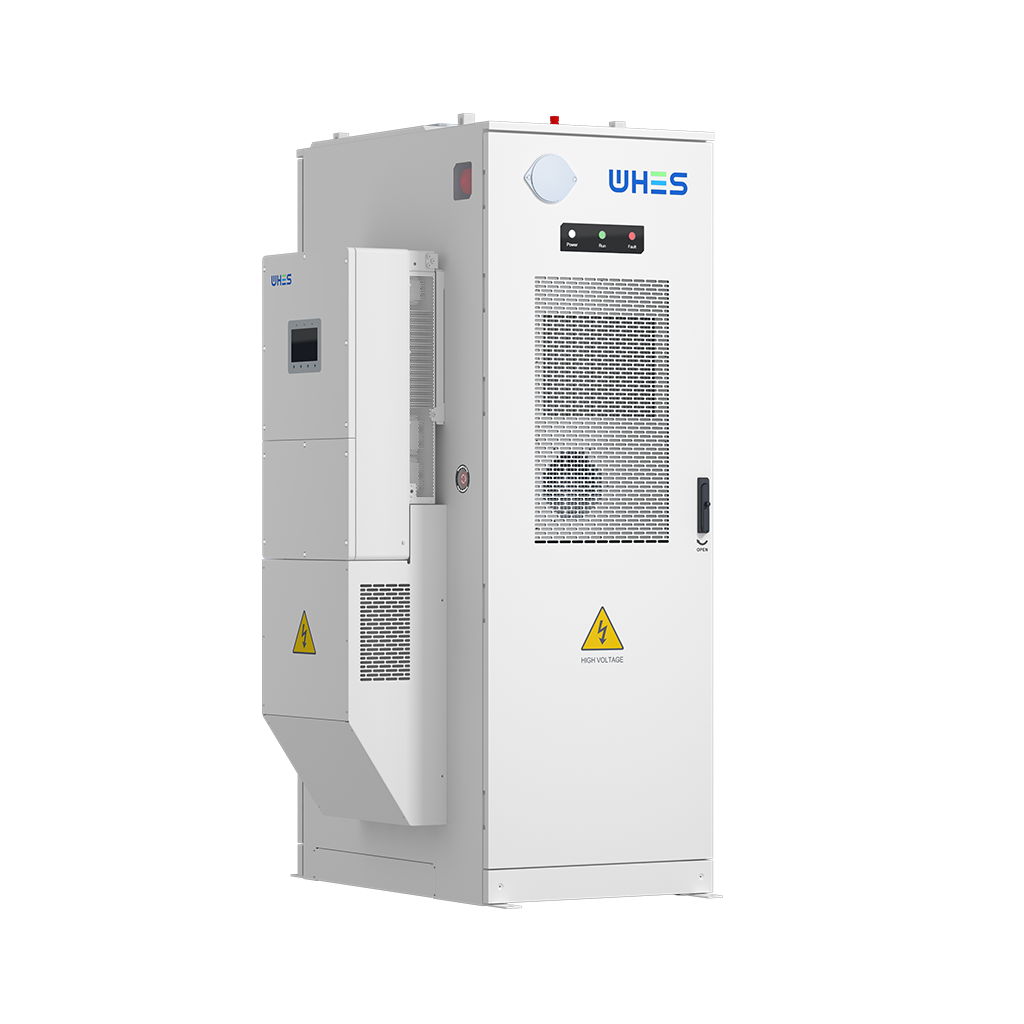
Why traditional monitoring often misses early signs
Most sites rely on string-level telemetry and a BMS that watches pack voltage and current. That tells you when something already bad happens, not when a single cell is quietly going soft. Cell-to-cell variance in voltage, resistance, or temperature can be tiny but cumulative. Without distributed sensors and per-cell or sub-module analytics, subtle impedance rise or micro thermal gradients fly under the radar — then one weak link drags the whole module down.
What precision sensor arrays actually measure
Precision arrays pair multiple sensor types to give early-warning signals: high-resolution cell-voltage taps, localized thermocouples or fiber-optic temperature sensing, and periodic impedance checks (electrochemical impedance spectroscopy where available). These feed into analytics that compute SoH, differential ageing, and C-rate stress mapping. With that combo, you spot a rising internal resistance or a 0.02 V drift in a cell long before a wholesale derating is needed.
Real-world anchor — why operators care (and where this mattered)
After events like California’s rolling blackouts and extreme-weather outages in recent years, many commercial sites doubled down on behind-the-meter resilience. Operators in industrial parks and large campuses reported that targeted cell-level monitoring prevented several forced outages by enabling preemptive module swaps during scheduled maintenance windows. Those cases showed measurable gains: fewer emergency replacements and steadier availability during grid stress.
Common implementation mistakes — and how to avoid them
Many projects bolt on extra sensors without clear data contracts — so the signals arrive but nobody trusts them. Mistakes include poor sensor placement (missing hottest cell), ignoring calibration drift, or overloading the BMS with raw data without preprocessing. Simple fixes: define KPIs up front, place temperature probes at likely hotspots, and perform routine sensor calibration. Also confirm that your analytics pipeline supports anomaly detection and not just threshold alarms — otherwise you get too many false positives and everyone shuts their ears. —
Cost vs benefit: why early detection pays
Adding sensor arrays increases capex a bit, but the upside is longer usable cycle life and fewer catastrophic replacements. Early detection lets you rebalance, replace a weak module on a maintenance schedule, or adjust charge protocols to minimise stress — which extends pack life and protects warranty claims. When you model avoided emergency replacements, reduced derating, and higher uptime, payback often arrives within a few seasons for industrial-scale deployments.
How to integrate arrays with analytics and BMS
Integration is technical but straightforward if you plan. Sensors should expose sampled data to the BMS and to a central analytics engine that runs SoH models and trend detection. Use standard interfaces and timestamped telemetry so you can correlate cell voltage, temperature, and current. Analytics should output actionable items: adjust charge cut-offs, schedule module replacement, or isolate a cell group. This pipeline converts sensor noise into operational decisions, not extra dashboards.

Design patterns and deployment checklist
– Start with critical modules and pilot one container or racked bank.
– Place temperature sensors at cell edges and interconnects; tap voltages every N cells depending on architecture.
– Calibrate sensors during commissioning and re-check annually.
– Feed preprocessed metrics to the BMS and a cloud analytics service that supports trend-based SoH scoring.
– Validate with controlled cycling tests on-site before trusting automated mitigation.
Advisory — three golden rules for choosing and using sensor arrays
1) Metric fidelity over quantity: pick sensors and sampling rates that reliably detect 1–2% impedance shifts or 0.01–0.03 V cell drift — that sensitivity finds problems early without drowning you in data.
2) Analytics that translate to actions: ensure the analytics system couples anomaly detection with operational playbooks (modify charge profile, schedule swap, isolate string). Data without a playbook is just noise.
3) Integration and maintenance plan: include sensor calibration, firmware updates, and test cycles in your O&M contract so measurements stay trustworthy over the asset life.
Deploying precision monitoring is how operators turn health signals into longer life and higher availability for industrial solar power energy storage systems — not magic, just engineering and discipline. For teams building resilient behind-the-meter installations, choosing a partner who understands sensor-to-analytics workflows and field commissioning makes the difference; that practical value is why many stakeholders trust integrated system providers like WHES. —