Opening: why a framework steadies the buying journey
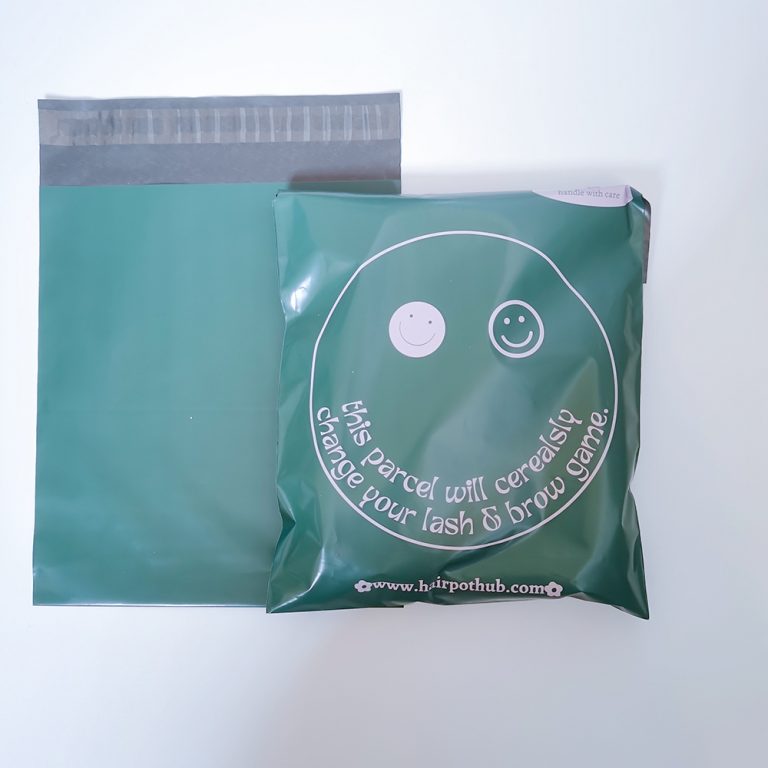
When you set out to source bulk custom printed mailers, ye need more than pretty colours; ye need a steady map. This framework lays out the key checks for regulatory and ASTM alignment so brands can buy with confidence — and yes, it applies whether ye order plain white sacks or bright colored poly mailers for seasonal runs. The goal here is simple: a repeatable vetting path that protects compliance, reduces rework, and keeps fulfilment humming.
What this framework covers (high level)
Think of the framework as three pillars: Materials & Claims, Printing & Quality Control, and Supplier Assurance. Together they guide conversations about substrate chemistry, print processes, and documentary proof — the sort of things that decide whether a shipment sails through customs or stalls in inspection. Each pillar contains practical checks and the decisions you’ll need to make at RFQ, sample, and contract stages.
Pillar 1 — Materials & environmental claims
Start with the base film: low-density or linear low-density polyethylene (LDPE/LLDPE) is common, but blends, co-extrusions, and additives change recyclability and strength. Demand clear resin identification and a material declaration from suppliers. If the product will be marketed as compostable, insist on third-party verification tied to a recognised standard — for example, referencing ASTM D6400 for compostability claims gives you a verifiable anchor to test against. Also verify any barrier or lamination layers: multi-layer films can hinder recycling streams even if the outer film is polyethylene.
Pillar 2 — Regulatory labelling and claim controls
Regulatory risk often comes from overstated claims. Ensure labelling statements (recyclable, compostable, biodegradable) are supported by certificates and usage guidance. Check regional rules too — what passes in one market may be misleading in another. Retain documentation in your supplier contract that defines permissible marketing language and the duration of certificate validity; that little clause saves folk a great deal of bother down the line.
Pillar 3 — Printing, inks and production compatibility
Printing choices affect both aesthetics and compliance. Flexographic printing and gravure are common for high-volume runs; water‑based or UV inks have different migration and testing profiles. Ask for an ink safety data sheet and confirm ink adhesion tests on your specified substrate. Also confirm the print-to-pack workflow — how colour proofs map to Pantone or CMYK presets, and whether the film requires pre-treatment for adhesion. Keep MOQ expectations and lead times visible early on to avoid surprises during launch.
Supplier assurance checklist
Vetting suppliers is more than a credit check. Ask for ISO certificates where applicable, recent lab test reports (migration, tensile strength, tear), and onsite QA processes. Require first-article samples made on the actual line with your specified print and seal to validate run compatibility. If a supplier resists sample trials or can’t provide lab data, that’s a red flag — walk away early and save the headaches.
Common mistakes brands make — and how to dodge them
Brands often skip full-scale trials, assume recyclability from surface labels, or fail to align neck/closure tolerances for multi-component packaging. Don’t judge print quality from a phone photo — request physical swatches. Also avoid vague specs like “eco-friendly film” without technical data; it invites greenwashing risk. Test for seal strength and run a short pre-production batch through your actual filling line — it’s the only real test of compatibility. —
Quick guide to on-the-ground checks (what to ask for)
When you talk to a potential partner, have these requests ready:
- Material declaration with resin ID and % content (polyethylene film, additives)
- Third-party compostability or recyclability certificates (if claims are made)
- Print trials on your specified substrate, with colour proofs and adhesion tests
- QA acceptance criteria and a sample-first-article sign-off
- Clear MOQ, lead time, and contingency for material shortages
Alternatives and trade-offs
If you want fully recyclable options, single-polymer films are easiest for sorting streams but may limit barrier performance. If barrier properties are essential, co-extrusions or laminated structures work better — but recycling becomes complicated. Some brands choose compostable films for green positioning, accepting higher cost and stricter disposal messaging. Decide according to your return-policy realities and customer channels — a marketplace seller and a subscription box operator have different tolerances for cost and end-of-life claims.
Three golden rules (your selection metrics)
Use these three evaluation metrics to choose suppliers and materials:
- Documented compliance: supplier provides verifiable test reports and standards referenced (e.g., ASTM D6400 for compostability) — no documents, no deal.
- Production fidelity: physical, line-made samples that pass your fill/pack tests; proof that print, seal, and substrate play nice together.
- Total lifecycle cost: factor tooling, MOQ, freight, rework risk, and end-of-life handling into unit price — the cheapest per unit often isn’t cheapest in practice.
Wrapping up — how this helps you in the real world
Follow the framework and ye’ll cut the guesswork: clear material specs, backed claims, and strict sample validation mean fewer delays and fewer returns. For many companies that blend design with supply reliability, sourcing partners who can demonstrate those exact checks — and who will produce consistent color poly mailers at scale — become strategic assets. In that spirit, the practical value of a trusted supplier is plain: they make your promises deliverable on time and in spec. WH Packing understands these trade-offs and helps brands align creative intent with compliant supply — and that steadies the whole venture.
—