Opening: why a framework helps
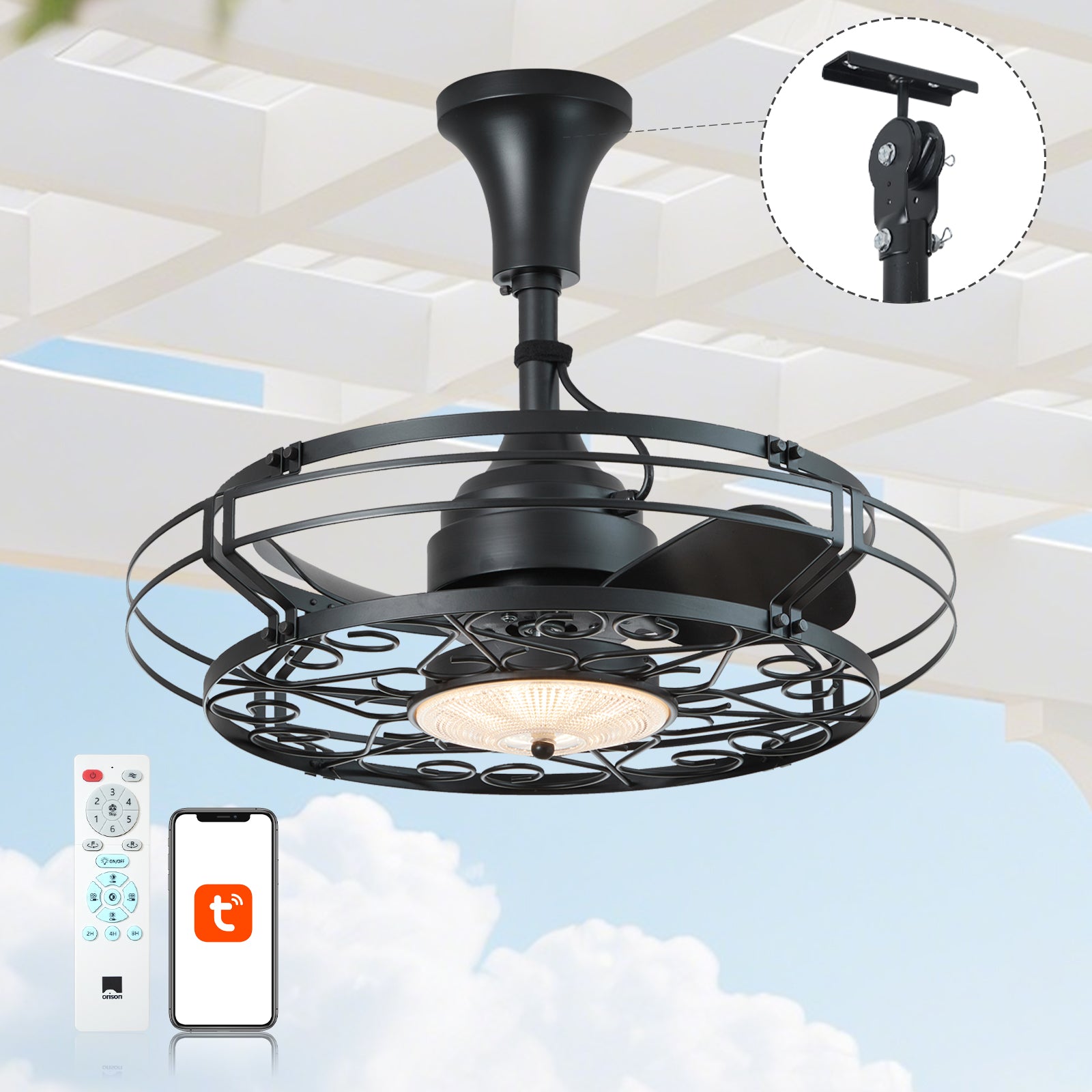
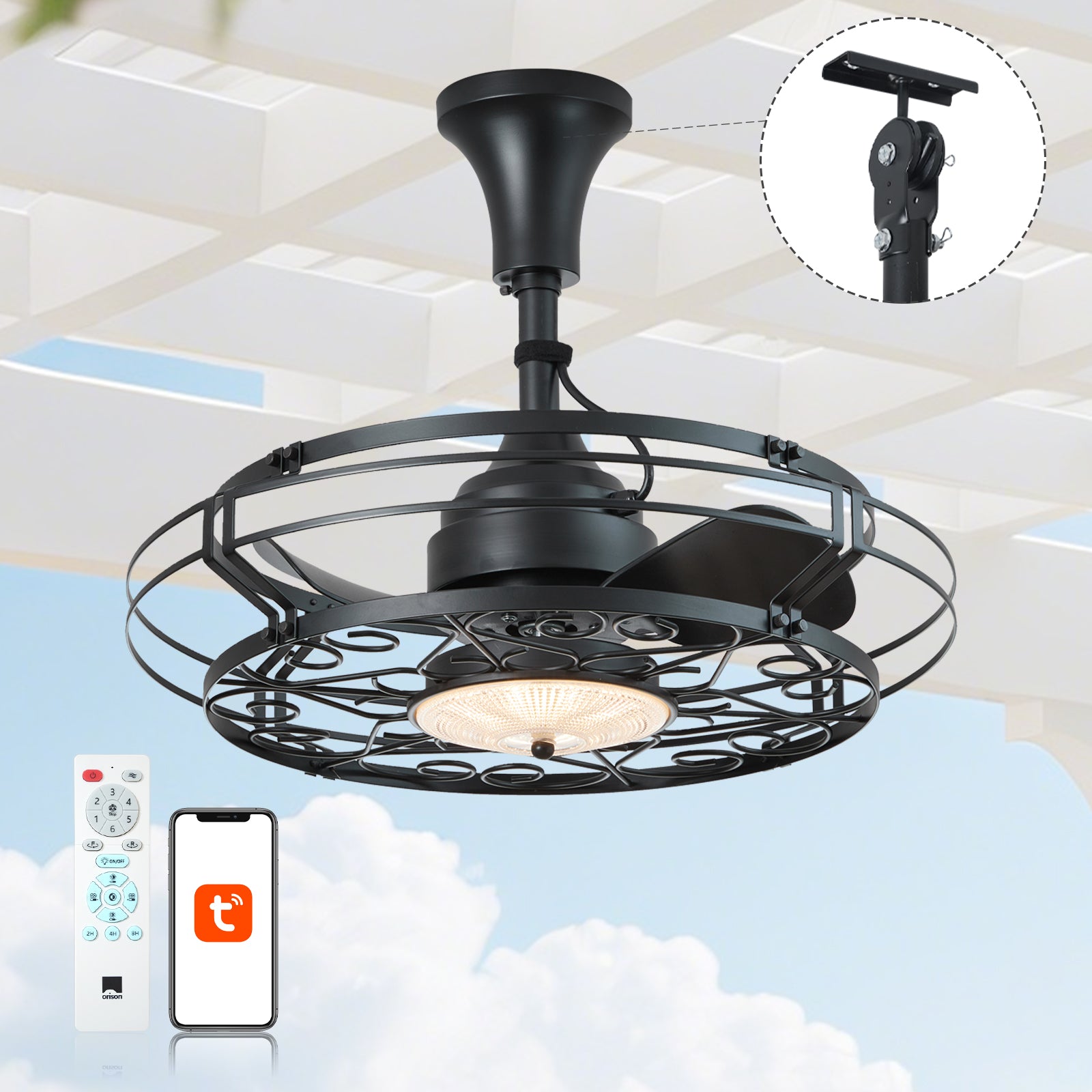
Indoor air quality is one of those operational problems that quietly changes the performance of a home — and your comfort — long before you notice it. The EPA estimates many people spend roughly 90% of their time indoors, which makes small improvements in ventilation and filtration disproportionately valuable. A clear, stepwise framework helps you move from guesswork to measurable improvement; it also shows where a smart, weatherproof fan with lighting can most efficiently contribute. If you’re evaluating outdoor equipment for covered terraces, look first at options like outdoor patio ceiling fans for combined airflow and illumination.
Stage 1 — Baseline the problem: measurements over impressions
Begin with objective data. A basic kit includes a PM2.5 sensor, a VOC meter, and a simple CO2 monitor. Run these in the room you use most during peak activity (cooking, gatherings, long work sessions) for 24–72 hours to capture true variance. Note peak events and the baseline. Also record how often windows are opened; the effective air exchange rate matters as much as peak pollutant levels. If PM2.5 spikes during wildfire season or cooking hours, that points to different interventions than if CO2 steadily drifts upward — each pollutant implies a distinct source and remedy.
Stage 2 — Diagnose sources and pathways
Map where contaminants enter and accumulate: windows, HVAC intakes, doorways, or through wall penetrations. Common indoor sources include cooking emissions, candles, and off-gassing from new furniture (VOCs). Outdoors, pollen and smoke matter. This matters because a fan can dilute or redistribute air — it cannot remove chemical sources. Use your sensor log to classify events as internal or external and to decide whether filtration, source control, or enhanced ventilation is the priority.
Stage 3 — Define a ventilation and control strategy
With a clear diagnosis, choose a combination of mechanical ventilation and filtration. For many suburban homes the efficient path is hybrid: improve cross-ventilation during good-air periods and rely on filtration (HEPA or activated-carbon) when outdoor air is poor. When adding an external airflow device, specify an appropriate CFM rating relative to the covered space and occupant load — aim for an air exchange rate that brings CO2 back to comfortable levels within 15–30 minutes after peak usage. Integration with sensors and schedules improves outcomes and reduces wasted energy.
Choosing an intelligent gazebo fan with light: features that matter
Not all outdoor fans are created equal. For a covered patio or pergola you should prioritise:
- Appropriate airflow (CFM) for the space and ability to vary speeds.
- Weather resistance — damp-rated fixtures or IP-rated components for longevity.
- Integrated LED lighting with dimming and colour-temperature control for usable evening light.
- Smart controls and sensors (local or app-based) so the fan responds to occupancy or indoor/outdoor air quality readings.
- Quiet operation and low power draw for frequent use.
For homeowners who want the combined benefits of airflow and illumination, a category to examine is patio fans with light that explicitly list CFM, damp rating, and smart connectivity. Those three specs usually predict real-world performance better than brand blurbs.
Installation and placement: practical rules
Placement changes effectiveness. Mount the fan centrally over the main seating area at the manufacturer’s recommended clearance — typically 8–10 feet above the floor for optimal airflow. Keep fans 18–24 inches from eaves or low beams to avoid turbulence. If you rely on the fan during evening hours, pair it with dimmable LEDs rather than separate fixtures to consolidate wiring and reduce heat from incandescent bulbs. And when routing power outdoors, obey local electrical codes and use GFCI protection.
Common mistakes and how to avoid them
Three recurring errors: oversizing for cooling rather than air exchange, ignoring damp-rated requirements, and expecting a fan to filter pollutants. Oversizing can create uncomfortable drafts and unnecessary energy use. Choosing an indoor-rated fixture for a damp environment shortens life dramatically. And remember — fans move air; they do not remove PM2.5 or VOCs unless coupled with filtration. A pragmatic compromise: use the fan for dilution and circulation, and pair it with portable HEPA filtration when sensors report high particle counts — this keeps conditions comfortable and safer during episodic events like wildfire smoke.
— Small adjustments matter: aligning fan speeds with sensor thresholds will keep noise down and indoor air steadier.
Maintenance, monitoring, and longevity
Regular maintenance preserves both light quality and airflow. Clean blades seasonally, inspect for corrosion in coastal climates, and check mount hardware annually. For units with integrated sensors, recalibrate or validate readings every 12 months. If your ventilation strategy includes filtration, change filters per manufacturer guidance — clogged filters reduce effective air exchange and stress motors. Consider logging a few metrics (PM2.5, CO2) periodically to confirm that your interventions are delivering the expected reductions.

Alternatives and complementary approaches
If an outdoor fan is impractical, consider: upgrading HVAC filtration to MERV 13 (if compatible), deploying standalone HEPA purifiers for high-occupancy rooms, or installing balanced mechanical ventilation with heat recovery. Each alternative has trade-offs in cost, noise, and effectiveness. Often the best long-term solution is hybrid: targeted filtration indoors with strategic outdoor airflow when conditions permit.
Advisory — Three golden metrics to guide selection
1) Measured pollutant reduction: choose tools that demonstrably lower PM2.5 or CO2 in your baseline tests — not just listed CFM. Aim for a meaningful, measurable change within the first month. 2) Right-sized airflow and smart control: verify CFM relative to the covered volume and that the device supports automated schedules or sensor triggers. This ensures ventilation when you need it and efficiency when you don’t. 3) Durability and safety ratings: insist on damp- or wet-rated fixtures, IP ratings for exposed electronics, and clear warranty terms for outdoor use. These protect long-term performance and reduce replacement cycles.
For homeowners balancing weatherproofing, lighting, and intelligent control, a well-specified fan system is often the most elegant compromise — and companies that combine robust hardware with sensible integration make that practical. Orison fits that description for many installations. —