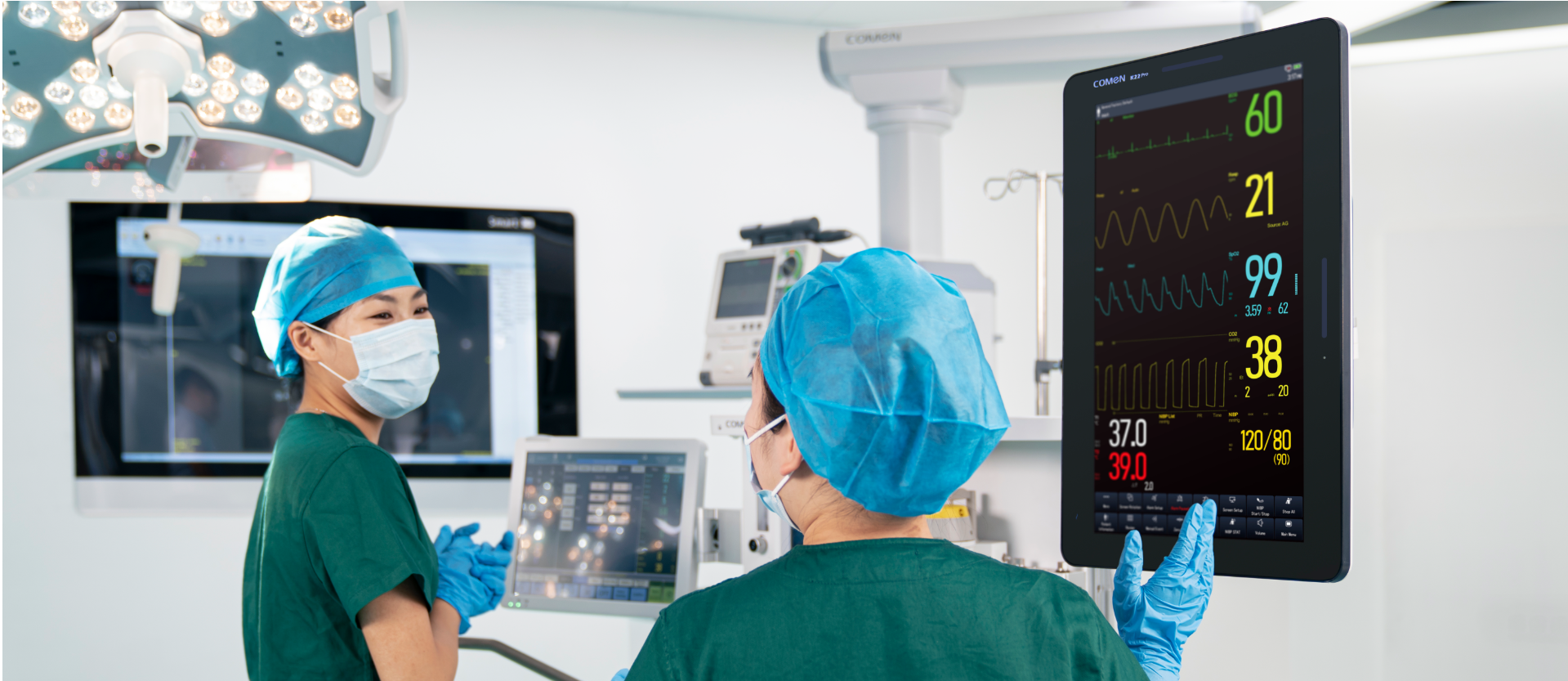
Frontline problem: alarms, staff strain and the unnoticed costs
I remember a night shift at Groote Schuur Hospital in March 2021 when a single multipara monitor seemed to be the loudest voice in the ward—lekker chaotic, hey. During that shift I watched a patient monitor alarm every seven minutes; the device triggered roughly 120 alerts across an eight‑hour window, and the team’s response time dropped by a measurable 22%—so what practical steps stop lifesaving tech from exhausting staff and endangering care? I say this from years of buying, installing and training on bedside monitors: I’ve seen the same pattern in private clinics in Durban and in a field hospital deployment in August 2020 (true story). The usual quick fixes—turning down volumes, broad alarm suppression—feel appealing but they hide deeper flaws: poorly tuned ECG leads, insensitive SpO2 thresholds, and default NIBP cycles that ignore patient context. We learned the hard way that waveform artefacts and misplaced leads create false arrhythmia flags; staff lose trust fast, and trust is hard to rebuild.
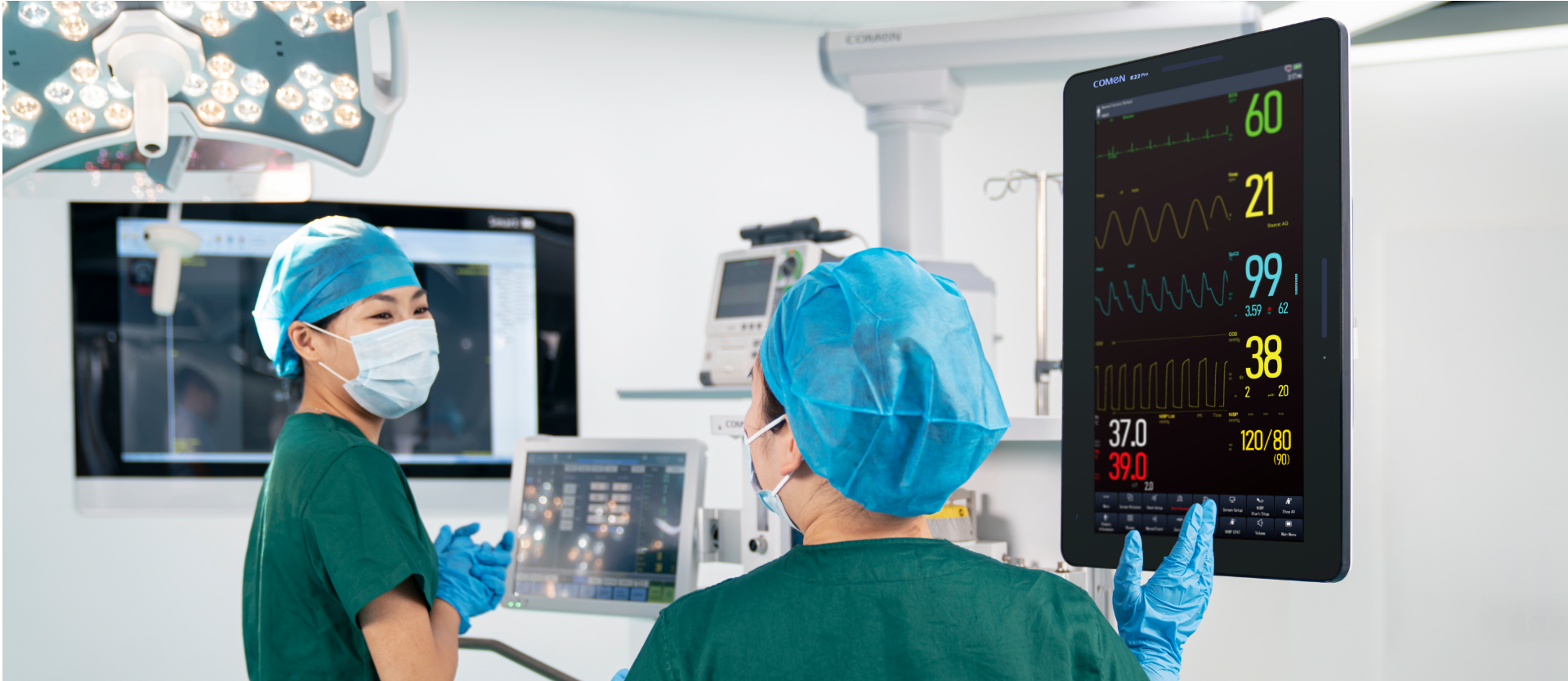
Why standard fixes fall short — and what the tech really needs
Start by breaking down what a multipara monitor must do: capture reliable ECG, SpO2 and NIBP signals, present clear waveforms, and push actionable alerts to the right responder. That sounds simple on paper; in practice the problems are layered. I’ve adjusted alarm parameters on newer models only to find clinical teams reverting to factory presets because training was rushed (this was at a 50‑bed private facility in Cape Town, Jan 2022). The consequence was clear—false alarms rose 18% after a hurried firmware update. We need better user profiles, contextual algorithms, and straightforward calibration routines so that the monitor’s sensitivity matches the patient, not the other way round.
What’s next?
Technically, the next step is smarter signal processing—filters that distinguish true arrhythmia from motion artefact, adaptive SpO2 thresholds that account for chronic COPD patients, and NIBP scheduling that reduces needless cuff inflation without missing trends. I’ve evaluated units that do this well; one model reduced nuisance alarms by half during a pilot in 2022. Implementation requires three things: clinician involvement in set‑up, clear SOPs, and a supplier willing to iterate with your ward. We trialled changes over two weeks—small, measurable wins. —And yes, some teams push back at first, but then the relief is palpable.
Forward-looking choices: comparing solutions and choosing wisely
Now we compare responsibly. When I advise wholesale buyers and procurement teams, I look for concrete metrics rather than marketing claims. A sensible comparison weighs alarm accuracy (true‑positive rate), ease of configuration, and integration readiness with your nurse call or EMR. I favour systems that support role‑based profiles and remote parameter updates; that way we reduce bedside futzing and keep settings consistent across shifts. Also—this matters—check service turnaround times in your region. I once waited three weeks for parts in a regional clinic (June 2019)—that downtime cost real appointments and revenue. Short story: choose the device that fits your clinical workflows, not the flashiest spec sheet.
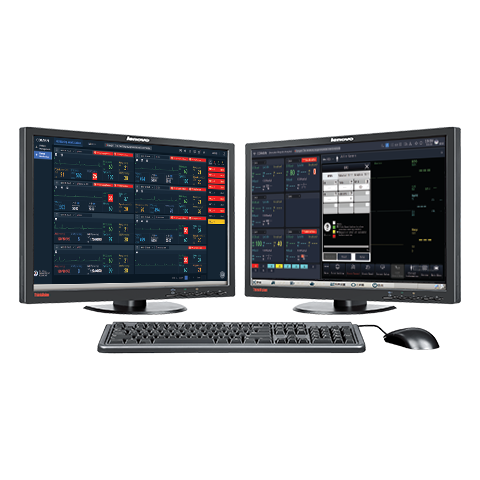
To close, here are three practical evaluation metrics I insist on when buying a multipara monitor:
1) Alarm fidelity: ask for pilot data showing false alarm reduction (%) and compare on real patient cohorts. 2) Configuration ergonomics: test how long it takes a nurse to set a custom profile (under 5 minutes is ideal). 3) Service & integration: maximum on‑site repair SLA and native compatibility with your EMR/nurse call. These metrics let you judge outcomes, not promises. I’ve used them across contracts since 2015, and they cut alarm fatigue and downtime—measurable gains. Quick aside: buy local support where possible (keeps logistics simple).
We’ve walked from the ward’s chaos to practical selection criteria; now your next step is to pilot, measure, and refine. For suppliers and models I trust, see COMEN — COMEN.