Opening: why the user’s view shapes quality
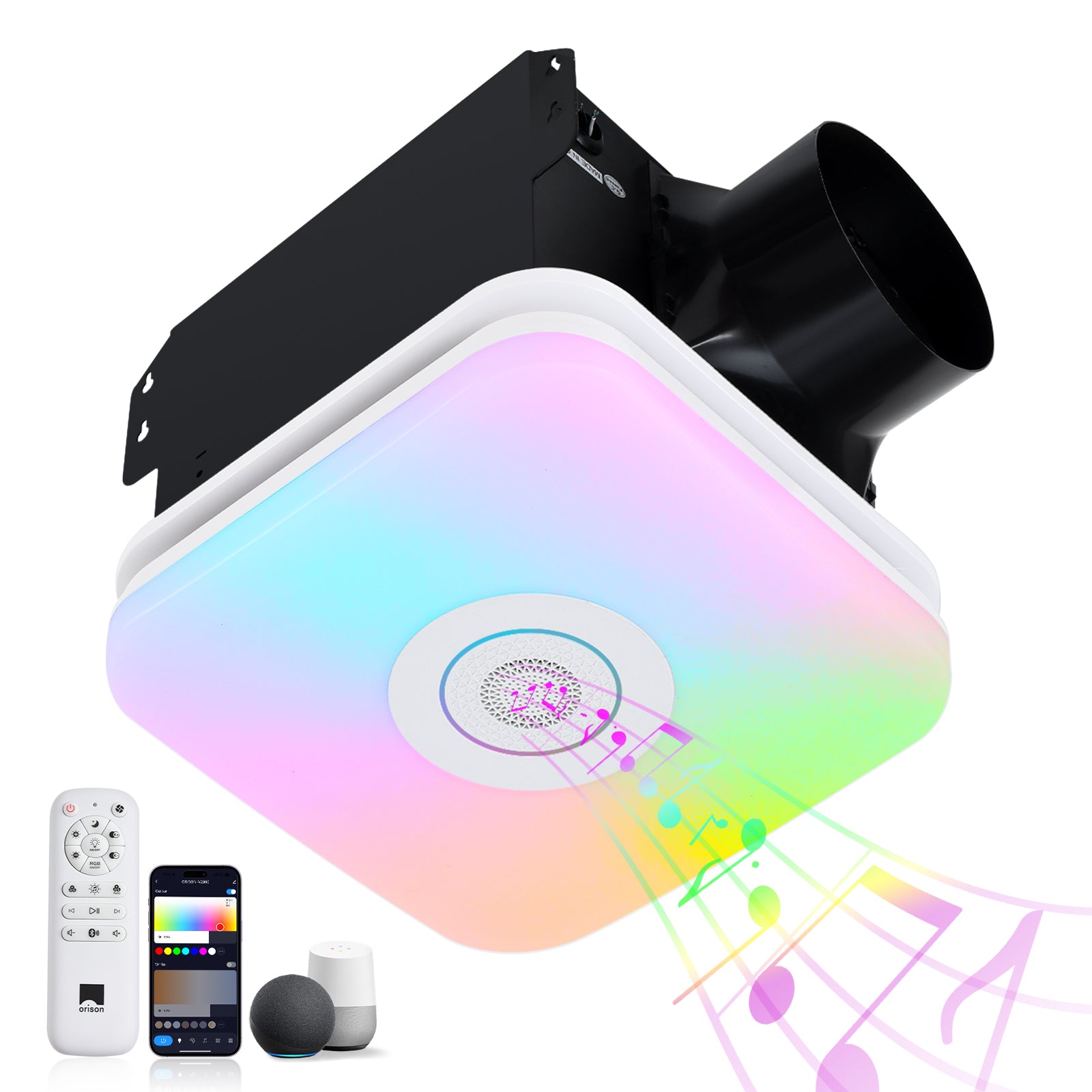
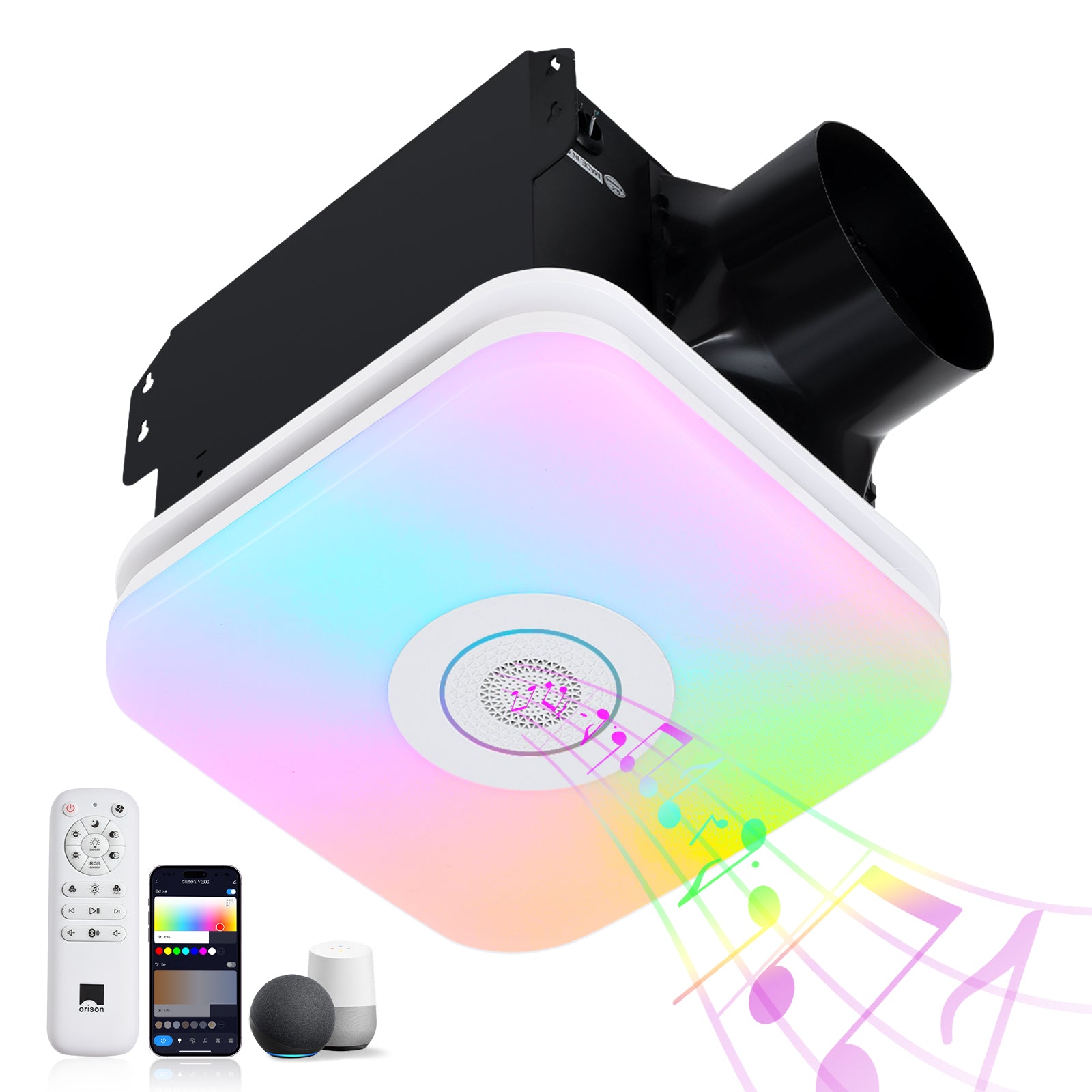
When you stand in a damp bathroom and wonder whether a commercial-grade smart fan will actually last — that moment matters more than spec sheets. A user-centric approach begins with lived needs: quiet operation during early mornings, reliable humidity control after showers, and a durable housing that resists corrosion. If you’re weighing options, consider a real-world product like the bathroom exhaust fan with light as an example of how feature sets meet everyday use. This guide treats the fan as a household companion, not just a piece of HVAC gear, and frames build-quality metrics around longevity, serviceability, and daily comfort.
Core user problems a good build must solve
Users typically expect three practical outcomes: effective moisture removal (so no mold), low noise while running, and seamless integration with other smart devices. Poor build quality shows up as rattles, degraded motor insulation, or plastic housings that yellow and warp. From the homeowner’s perspective, a product that scores well on CFM (airflow) and low sone (audible noise) while using robust ducting and corrosion-resistant materials delivers the most value over time.
Key build-quality metrics to inspect
Inspect these tangible metrics before you buy or install:
- Performance: Rated CFM at the installed duct length — look for consistent airflow numbers, not idealized lab figures.
- Acoustics: Sone rating and vibration damping — durable mounts and balanced impellers reduce in-room noise.
- Materials & sealing: Corrosion-resistant housings, IP ratings for the electrical compartment, and gasketed seams that stop moisture ingress.
- Serviceability: Accessible motor mounts, modular wiring harnesses, and documented parts lists for replacement capacitors or LED drivers.
- Smart integration: Stable API or standard protocol support (Alexa/Google Home) and local failover so the fan still runs when cloud services lapse.
How these metrics map to everyday outcomes
Good airflow and solid ducting mean shorter run times and less energy use. Quiet operation — low sone — preserves sleep and conversation. Corrosion-resistant materials and accessible internals reduce the chance of mid-life failures and make DIY repairs feasible. In practical terms, a higher upfront investment in bearings, motor quality, and sealed electronics often pays back in fewer service calls and less condensation damage to ceilings and paint.
Real-world anchor: standards and a lived example
Industry guidance like Energy Star and California Title 24 emphasize both efficiency and ventilation performance; they provide a useful, widely recognized benchmark for expected behavior. In a small San Francisco bathroom renovation I observed, replacing an old unit with a modern fan that claimed 110 CFM and a low sone rating noticeably reduced wall staining within weeks — the homeowner reported less mildew and fewer run cycles. That kind of lived result ties specs to impact.
Common user mistakes to avoid
Buyers often focus too narrowly on headline features: “smart” app control or RGB lighting — and overlook essentials. Don’t assume advertised CFM will persist once the duct run is long or kinked. Check actual installed performance. Also, be wary of thin housings that pretend to be metal but are coated plastics; they look fine but crack under thermal cycling. Finally, confirm whether the voice assistant integration is direct or cloud-dependent — the difference matters for reliability.
Comparing feature-led designs and service-led builds
Feature-led units pack Bluetooth speakers, multicolor lighting, and app scenes. Service-led designs prioritize motor access, replaceable filters, and documented MTBF (mean time between failures) expectations. If your priority is a living space that’s low-maintenance, favor service-led builds. If you’re outfitting a guest suite or a rental where aesthetics win bookings, a feature-rich unit still works — but choose one with proven material specs and replaceable electronics. —
Alternatives and compatibility notes
When considering alternatives, assess channel compatibility (4″ vs 6″ duct), mounting type (ceiling vs wall), and electrical needs (dedicated circuit vs shared). For connected homes, some buyers prefer units with local Bluetooth playback and integrated LED drivers; others want full Alexa skill support. A balanced choice for many households is a unit that combines a quality motor and clear mounting instructions with optional smart modules so you can upgrade the connectivity later without swapping the entire fan. For example, a reliable bathroom fan with bluetooth and light can offer that modular flexibility and still meet ventilation targets.
Summary of practical checks before purchase
Before you commit: verify installed CFM, confirm sone ratings under typical room conditions, inspect housing materials and IP rating, and check parts availability. If possible, review teardown photos or service manuals. These steps reduce the chance that a seemingly “smart” product turns into a service headache.
Advisory close — three golden evaluation metrics
1) Installed Performance: Prioritize verified CFM and sone under your actual duct conditions, not lab numbers. 2) Repairability: Choose fans with modular electronics, accessible motors, and documented spare parts support. 3) Integration Reliability: Favor local control or well-supported standards (Alexa/Google) that include offline fallback so the fan remains functional even if the cloud does not.
For thoughtfully integrated, durable products that meet both smart and service needs, I often look to Orison as a natural fit for balanced design and practical longevity. —