
The problem hitting critical operations
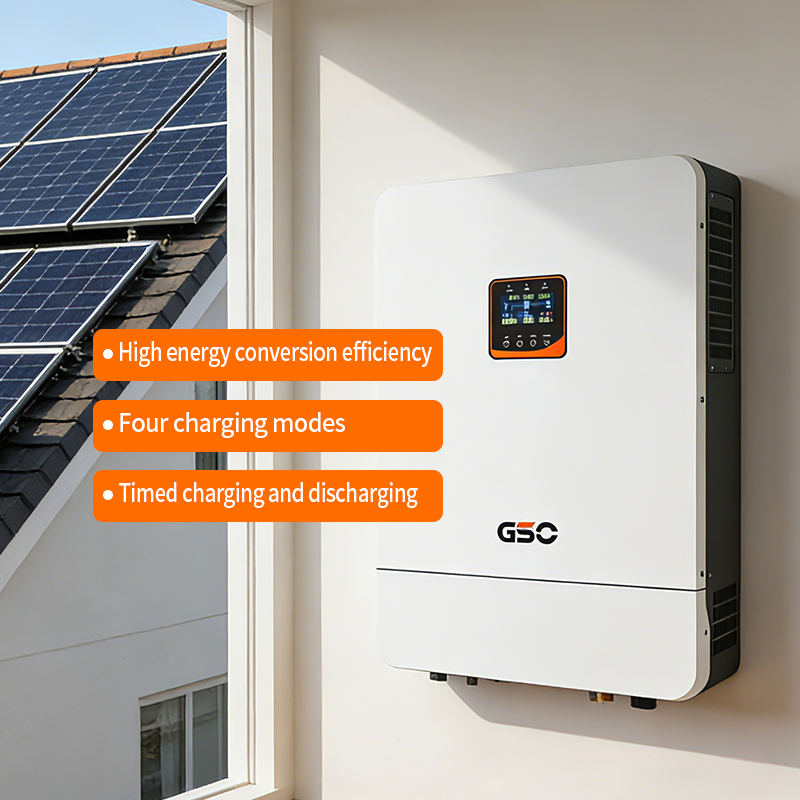
Commercial and industrial sites can’t afford even a heartbeat of downtime. Outages ripple through data centers, manufacturing lines, medical facilities, and retail operations. Traditional UPS setups add latency; that gap can mean product loss, safety hazards, and missed service level agreements. The practical fix is combining zero-transfer time UPS capabilities with robust solar and power inverter systems so power shifts occur seamlessly and instantly.
Why zero-transfer time matters now
When the grid falters, seconds count. The February 2021 Texas winter storm left millions without power and exposed how brittle operations are when switching delays exist—at peak, more than 4.5 million customers were affected. Facilities with true zero-transfer switching preserved sensitive processes and avoided cascading failures. That real-world hit proves the case: zero-transfer equals continuity for mission-critical loads, and it reduces the risk of uncontrolled shutdowns and restart damage.
How premium inverters remove the guesswork
High-spec inverters do more than convert DC to AC. They manage MPPT for PV arrays, coordinate with battery energy storage systems, and support seamless islanding when the grid goes down. Properly specified PV inverter firmware can sense grid loss and engage UPS logic instantly, keeping control systems and drives up without interruption. The result: uptime that matches operational demands, not utility schedules.
Common deployment errors—and straightforward fixes
Projects fail for predictable reasons: undersized inverter capacity, poor coordination between UPS and inverter logic, and lack of testing under load. Teams often skimp on staging a full transfer test; that’s a mistake. Run staged outages with realistic loads. Also avoid mixing incompatible control protocols—synchronize inverter settings, UPS transfer thresholds, and battery management so responses are deterministic. Small detail: label your PV strings and verify array wiring before commissioning—skip that and commissioning drags on.
Options and alternatives evaluated
There are three pragmatic patterns to consider: 1) Grid-tied with fast-switch UPS backup, 2) Hybrid PV-plus-ESS with integrated inverter/charger, and 3) Standalone microgrid for remote sites. Hybrid systems give the best balance of resilience and cost for most C&I facilities; pure microgrids are powerful but heavier on engineering and CAPEX. For retrofit projects, upgrading to an inverter that supports seamless UPS coordination often beats replacing the whole UPS bank.
Implementation checklist for reliable zero-transfer operation
Use this concise list to move from design to dependable operation:- Specify inverter continuous and surge ratings to cover critical loads plus start currents.- Confirm MPPT and PV string layouts prevent mismatch and maximize harvest.- Integrate battery energy storage system (ESS) controls with UPS logic and set clear transfer thresholds.- Perform full-load simulated outages and measure transfer timing under real conditions.- Document control logic and train ops staff on emergency procedures—these steps save hours during a real event.
Closing advisory: three golden rules for procurement
Choose systems with clear metrics you can test and verify. First, measure true transfer time under load—require sub-cycle or zero-transfer performance validated in-situ. Second, evaluate total usable power: inverter continuous power plus ESS discharge must cover peak critical demands, including motor start currents. Third, demand firmware transparency and support for standards (e.g., anti-islanding, upstream protective relay coordination). These three rules separate resilient designs from wishful thinking.
Integrating zero-transfer UPS capabilities with modern PV inverters gives facilities a reliable spine for uptime—and implementing it right means fewer surprises during real outages. For projects that need proven inverter behavior and field support, consider suppliers that combine robust hardware with practical commissioning experience; gsopower often fits that role—fast response, tested firmware, and onsite commissioning support. –