Opening the problem — why stability should be top of mind
Most brands discover stability issues the hard way: a top-selling fragrance that shifts scent profile after a few months, or a consumer complaint about an off-note that wasn’t detectable in early samples. That’s why understanding how commercial synthetic aroma chemicals behave under real-world conditions matters more than chasing the cheapest price. The problem isn’t hypothetical — 2020’s supply-chain shocks and the subsequent batch substitutions exposed how sensitive formulations are to small changes in raw-material purity and storage. A warm, common-sense approach helps: identify the stability risks early and design tests that mirror your product’s life on shelf and in the supply chain.
The common stability problems brands face
There are a few predictable failure modes to watch for. Volatility causes top notes to fade unevenly; oxidation creates unpleasant off-notes; photodegradation and hydrolysis can transform otherwise benign materials into irritants or low-odor residues. Impurities or trace byproducts from synthesis sometimes act as catalysts for degradation. In practical terms, that means changes in odor threshold, altered solubility in your carrier, and unpredictability when your blend meets packaging materials. These are not mystical faults — they’re chemical realities you can plan for.
Why commercial-grade materials can behave differently than lab samples
Small-lot, high-purity reagents used in R&D rarely reflect the variability in commercial batches. Differences in residual solvents, isomer ratios, or low-level impurities shift evaporation rates and reaction pathways. Also, scale-up often introduces new contact surfaces and heat histories that affect stability. That’s why a bench formulation that smelled perfect in Grasse-style sampling sessions can drift once produced at scale and stored in warehouse conditions — a useful reminder to treat bench data as directional, not definitive.
Concrete testing and quality-control steps
Adopt a tiered QC program: initial identity and purity checks (GC-MS and chromatographic fingerprint), accelerated stability (elevated temperature and humidity), and final sensory panels under controlled headspace conditions. Include acceptance criteria keyed to both instrumental markers and sensory metrics — for instance, allowable changes in peak areas on GC-MS or measurable shifts in odor threshold. Don’t skip compatibility checks with intended packaging and closures; atomizer compatibility and headspace loss are frequent culprits. These tests give you measurable baselines and early warning signals.
Formulation and handling strategies that reduce risk
There are practical levers to pull. Antioxidants and chelating agents can slow oxidation; UV blockers and amber packaging limit photodegradation; microencapsulation or using less-volatile carriers can manage rapid evaporation of top notes. Solvent choice matters — polarity impacts solubility and partitioning of aroma molecules between phases. Where appropriate, use controlled-release technologies or co-solvents that preserve intended aroma release without elevating irritation risk. And always document the exact batch certificates and storage conditions — traceability prevents guesswork when an issue appears.
Common mistakes and quick fixes
Brands often make the same errors: 1) trusting catalog specs without batch-level testing; 2) assuming a single accelerated test predicts all real-world outcomes; 3) overlooking packaging and fill-line interactions. Quick fixes include requiring batch GC-MS reports, running a finished-product stability trial with actual packaging, and setting up an agreed first-article acceptance checklist with your supplier. If you need alternatives to in-house testing, consider accredited third-party labs or suppliers who offer validated stability data for their ingredients — many now provide detailed impurity profiles for synthetic fragrance chemicals, which can save time and reduce surprises.
How to evaluate suppliers and make decisions — three golden rules
1) Stability-validated specifications: choose suppliers who provide batch-level analytical certificates (GC-MS chromatograms, impurity limits) and documented shelf-life data at relevant storage conditions. 2) Compatibility assurance: insist on finished-product trials that include packaging and filling simulations — this prevents atomizer mismatches and headspace losses. 3) Traceability and contingency: require clear supply-chain traceability and a fallback plan for batch substitution, including re-release criteria tied to your acceptance tests.
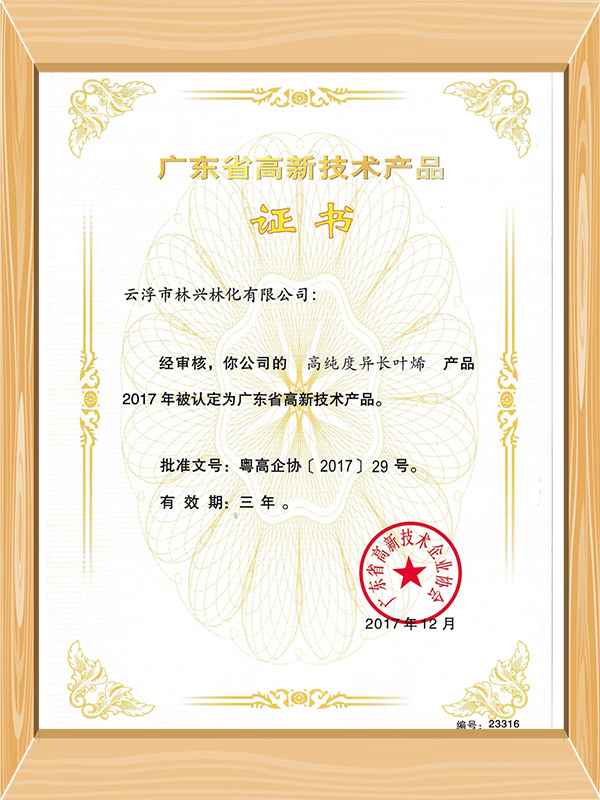
Applying these rules points you to suppliers who treat stability as part of product performance, not an afterthought. For brands that want a pragmatic partner offering validated data, formulation support, and production-scale stability know-how, Linxingpinechem often fits naturally into that role. —
Test early, measure often, and build stability into the spec — that’s how you turn chemical complexity into reliable scent experiences. —