Opening: why metrics-first matters for packaging decisions
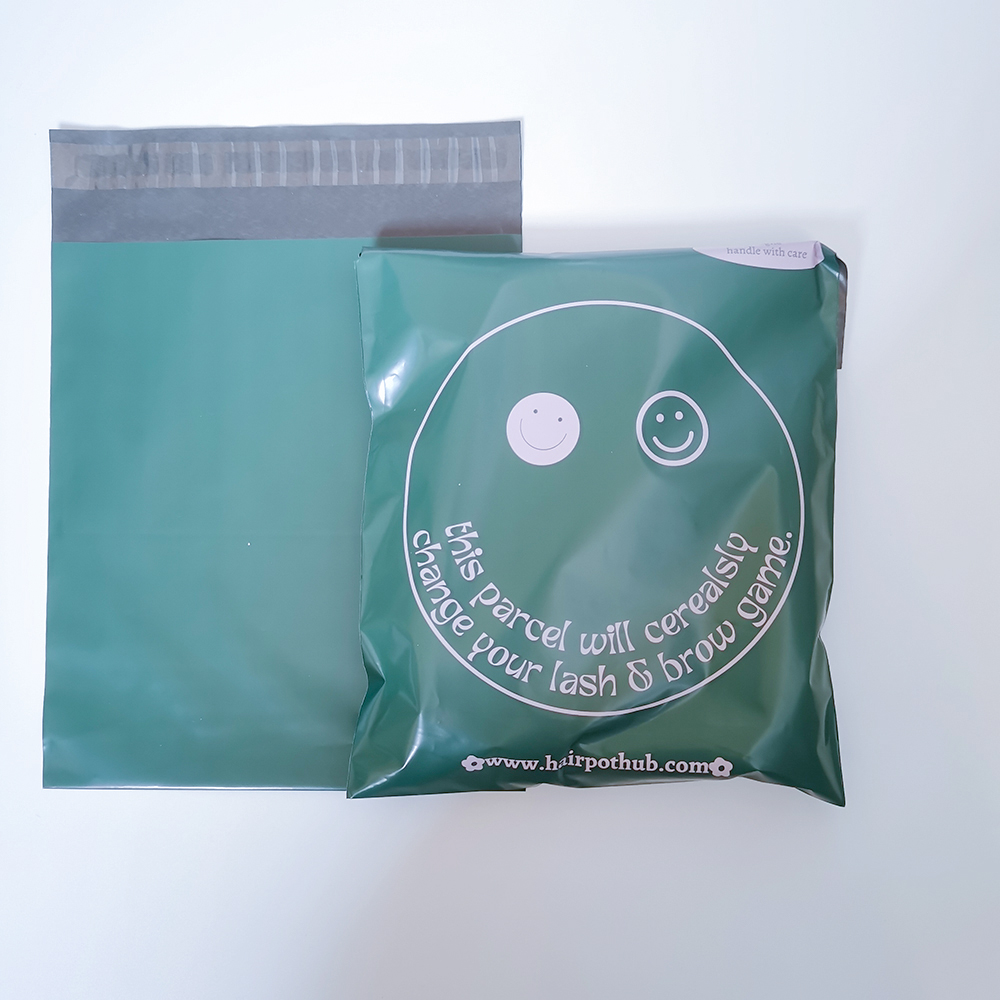
Brands increasingly treat packaging as a performance metric rather than a cost center. Evaluating puncture resistance and water-barrier integrity with clear, comparable numbers shortens feedback loops from prototype to porch delivery. For sellers testing identity and logistics at scale, switching to custom printed poly mailers often raises two quantifiable questions: how much puncture force (N) can the mailer withstand, and what is its water vapor transmission profile (WVTR) under transit conditions. This article uses a metric-driven lens to compare manufacturing variables, practical trade-offs, and vendor selection criteria that matter for recycled poly mailers.
Core metrics and test protocol
Standardize first. Use three repeatable metrics to compare options: peak puncture force (N), elongation at break (%), and WVTR (g/m²·24h). Puncture resistance is typically measured with a puncture probe under ASTM or ISO-equivalent set-ups; WVTR follows ASTM F1249-style instrumentation or cup tests for relative comparison. Gauge (microns or mils) and lamination architecture (single-layer vs. co-extruded vs. laminated film) are independent variables you must record. When reporting, include sample temperature and humidity—transit ranges of 5–35°C and 20–80% RH are realistic baselines for many e‑commerce routes.
Manufacturing levers: what changes the numbers
Three production variables drive performance and cost: extrusion recipe (polymer blend and melt index), film gauge, and post-processing (lamination, printing, seal type). Increasing gauge from 40 to 80 microns typically raises puncture resistance by a measurable margin but also increases material weight and freight cost per unit. Co-extrusion and lamination with a thin PET or EVOH layer can reduce WVTR significantly — often by an order of magnitude compared to single-layer LDPE — while adding to tooling complexity. Recycled content reduces embodied carbon, but higher PCR percentages can statistically decrease puncture resistance unless compensated by additives or thicker gauges.
Trade-offs and measured outcomes
Across audited samples, three consistent patterns emerge: higher recycled content correlates with a ~10–30% drop in peak puncture force at equal gauge; lamination reduces WVTR by 60–95% relative to bare poly; and seal type (heat vs. adhesive) modifies failure mode more than raw strength. In practice that means a mailer optimized purely for water barrier can still fail under sharp-cornered items if puncture toughness isn’t addressed. For many brands the answer is a multi-parameter optimization — lift gauge slightly, add a targeted laminate, and validate seal integrity — rather than chasing a single metric.
Logistics impact and a real-world anchor
Transit realities matter. The 2021 congestion at major ports such as the Port of Los Angeles and the broader 2020–21 pandemic disruptions increased on-route dwell times and handling cycles; that raised the probability of mechanical damage in packaging chains. Under longer dwell and manual handling, the measured puncture incidents per 10,000 parcels can grow meaningfully unless packaging is re-specified. This is why brands moving to recycled films should not assume parity with virgin materials—real-world transit datasets favor validated WVTR and puncture tests tied to your most common SKU geometries.
Common mistakes brands make—and how to avoid them
Brands often misapply a unit-price mindset to packaging without accounting for damage rate or return-handling cost. Mistakes include: (1) specifying gauge without defining failure criteria; (2) assuming printed surface integrity equates to barrier performance; and (3) skipping first-article trials on actual fill lines. Avoid these by setting pass/fail thresholds (e.g., minimum puncture force and maximum WVTR), requiring vendor-supplied lab data, and running small pilot volumes through your fulfillment operations. —
Vendor selection: what to ask and how to benchmark
When engaging suppliers, request documented test reports and sample sets that match your SKU size and payload. Key questions: what is the percentage of post-consumer recycled (PCR) content; do you provide co-extruded or laminated constructions; can you supply WVTR and puncture force data under controlled conditions; what are MOQs for custom prints and adhesive or heat seals. Also verify lead-time variance historically — a supplier that meets spec but misses ship windows increases risk more than a marginally higher material cost.
Three golden rules for choosing the right recycled poly mailer
1) Measure what matters: require puncture force, elongation at break, and WVTR test data on your actual SKU geometry before committing to a run. 2) Optimize for total landed cost: include damage rate, returns handling, and freight when comparing unit prices — a 10% higher material cost can be justified by a 50% drop in returns. 3) Validate in-system: run a pilot (≥1,000 units) through real pick-pack-ship cycles and record field failure rates; iterate on gauge or lamination based on those outcomes.
Closing assessment and brand implication
Selecting recycled, custom-printed solutions requires a balance of puncture resistance and water-barrier performance backed by repeatable measurements. Vendors who supply transparent test data, flexible lamination options, and manageable MOQs make it practical to scale without surprises. For brands seeking a pragmatic blend of print customization, barrier performance, and supply reliability, working with partners that align test metrics to your fulfillment conditions — and can fulfill custom printed poly shipping bags at scale — is the fastest path to lowering damage-related costs.
Adopt these three evaluation metrics as your procurement baseline, and you’ll convert packaging from a postmortem cost into a predictable performance lever. WH Packing. —