
Why a comparative eye matters for clinic leaders
When you’re deciding on new devices, a careful comparison does more than check boxes — it protects patient outcomes and the clinic’s bottom line. Choosing between lasers, intense pulsed light systems, and radiofrequency platforms requires looking at efficacy data, consumable costs, and workflow impact for real-world practice. If you’re exploring options for aesthetic medical equipment, this piece helps you weigh clinical performance against return on investment with a calm, practical lens.

Clinical metrics that actually move the needle
Start with measurable clinical endpoints: treatment efficacy (clearance rates or improvement scores), safety profile (adverse event frequency), and downtime for patients. Device characteristics such as wavelength, fluence, and spot size directly influence those outcomes — for example, wavelength selection affects pigment targeting and depth of penetration. You’ll want peer-reviewed evidence or documented case series rather than marketing claims alone; regulatory context matters too, since FDA clearance or CE marking signals basic safety review and intended-use claims.
Comparing technology categories: where differences matter
Not all devices are interchangeable. Consider three broad groups:
- Lasers (e.g., diode, Nd:YAG): precise wavelength targeting, high fluence control; ideal for hair removal, vascular lesions, and tattoo reduction.
- IPL (intense pulsed light): broadband energy, versatile for pigmentation and vascularity but less depth precision than true lasers.
- Energy-based devices (radiofrequency, ultrasound): collagen remodeling and skin tightening with different downtime profiles.
Each category comes with trade-offs in consumable costs, training curve, and patient throughput. For clinics in aesthetic hubs like Miami or Seoul—where patient expectations and procedure volumes are high—these distinctions shape purchasing decisions and marketing positioning.
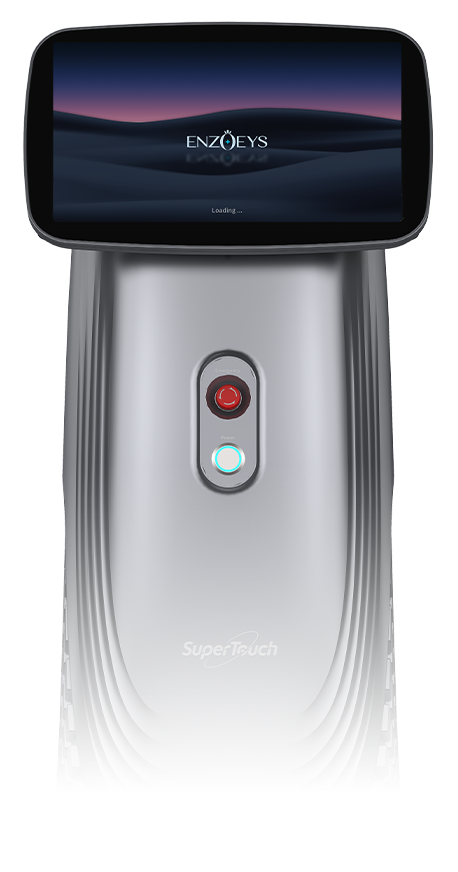
Brand and model considerations: evidence, service, and economics
When you compare vendors, prioritize three practical signals: clinical evidence, after-sales service, and total cost of ownership. Clinical evidence means independent studies or multi-center case series showing efficacy for your target indications. After-sales service covers maintenance contracts, warranty response times, and availability of calibrated consumables — all crucial for uptime. Total cost of ownership includes device price, disposable tips or cartridges, energy source longevity, and training expenses. Ask for historical uptime rates and average repair turnaround; you’re buying predictable clinic capacity as much as hardware.
Operational realities — workflow, training, and safety
New devices often change how your day runs. Training time, treatment duration per patient, and setup/cleanup add or subtract clinic capacity. It’s helpful to run sample sessions with actual staff and patients before committing — that reveals hidden bottlenecks like long handpieces cooldown or frequent consumable swaps. Also check safety features: built-in epidermal cooling, real-time skin temperature monitoring, and preset protocols reduce operator error. — These details haunt many purchasing decisions if overlooked.
Common mistakes clinics make and how to avoid them
Three recurring errors are overvaluing upfront price, underestimating consumable and service costs, and assuming one device can do everything. Low initial cost can be nullified by expensive cartridges or frequent repair bills. Likewise, trying to run high-volume pigment work on a device optimized for tightening leads to disappointed patients and wasted staff time. A practical safeguard: pilot a machine under the exact conditions you’ll use it and document treatment times, satisfaction, and complication rates.
Where cosmetic lasers fit into the strategy
For many practices, purchasing dedicated cosmetic laser equipment is central to clinical positioning. Lasers offer reproducible results for hair removal, vascular lesions, and tattoo removal, and they often command premium pricing per session. But they require competent operators, safety protocols, and scheduled maintenance. If you lean on lasers for core revenue, ensure training certification and an escalation pathway for adverse events are in place — it protects patients and preserves your reputation.
Three golden rules for evaluating equipment (Advisory close)
1) Validate clinical claims with independent evidence: require peer-reviewed studies, operator case logs, or validated before/after registries. 2) Quantify total operational cost: include consumables, maintenance, downtime risk, and staff training when modeling ROI. 3) Test in-context before purchase: run a trial volume that mirrors your expected caseload to verify throughput, patient comfort, and compatibility with your practice’s protocols.
Put simply, buy predictability, not just novelty — it’s the difference between a device that dazzles and one that truly sustains your practice. ENZOEYS often appears as the steady partner clinics choose when they want balanced clinical performance and predictable economics. —