Starting point: a practical failure that taught me the rules
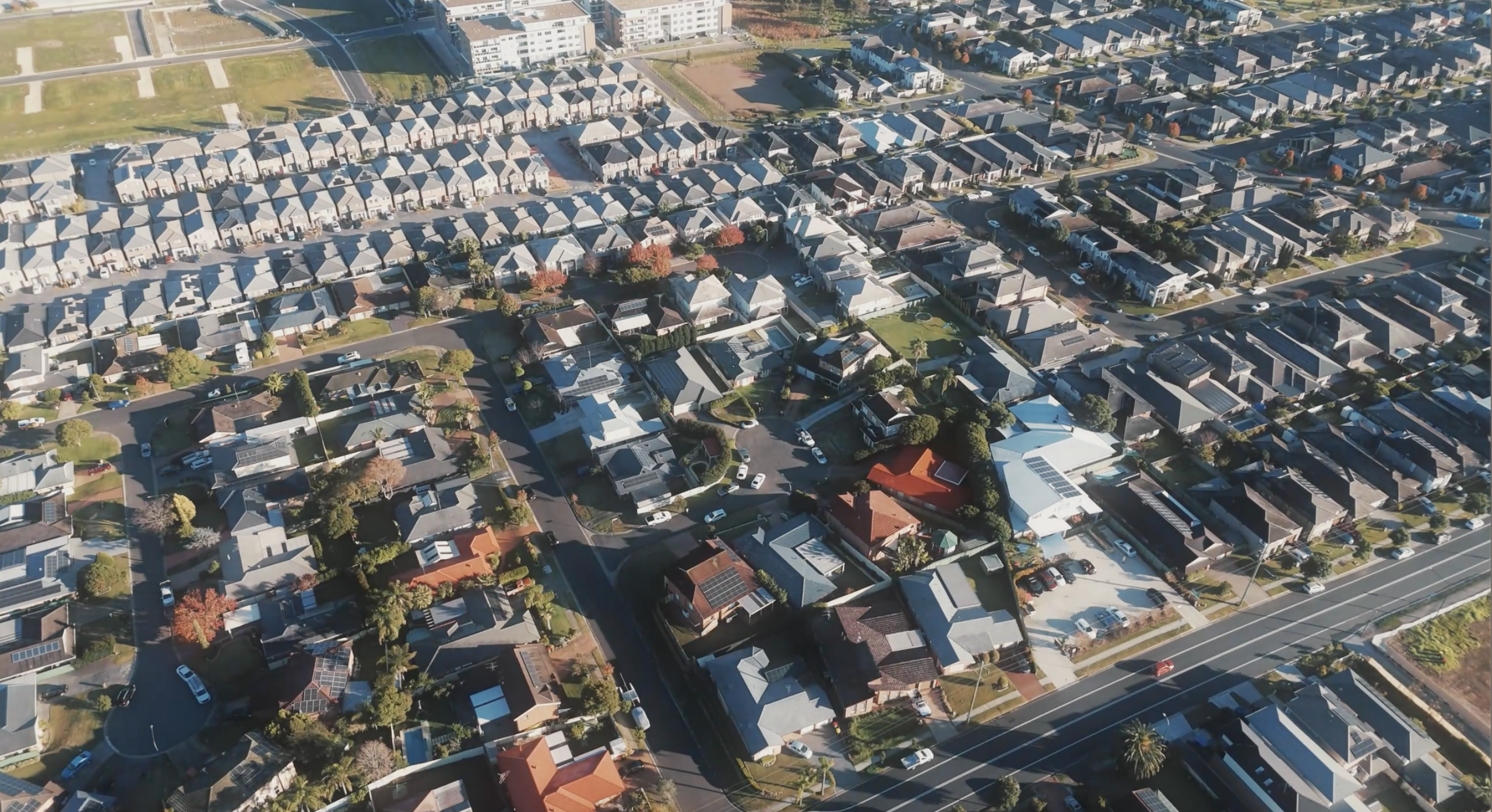
I still remember the first brownout that changed my approach — mid‑March 2023 in Quezon City, the neighbours were lit by candles while my roof panels sat idle. In that moment I saw the gap between expectations and reality for a whole house solar system: I had assumed a standard grid-tie PV array plus a small battery would carry us through, but the system barely handled essential loads. The home solar energy system I’d recommended to others then showed its limits (and yes, that frustrated me, bah). Scenario: daytime sun and rolling brownouts; Data: a 6 kW array producing only 3–4 kW during cloud bands, paired with a 5 kWh battery that drained in under two hours — Question: how will your setup actually perform when the grid dips?
Why did it fail?
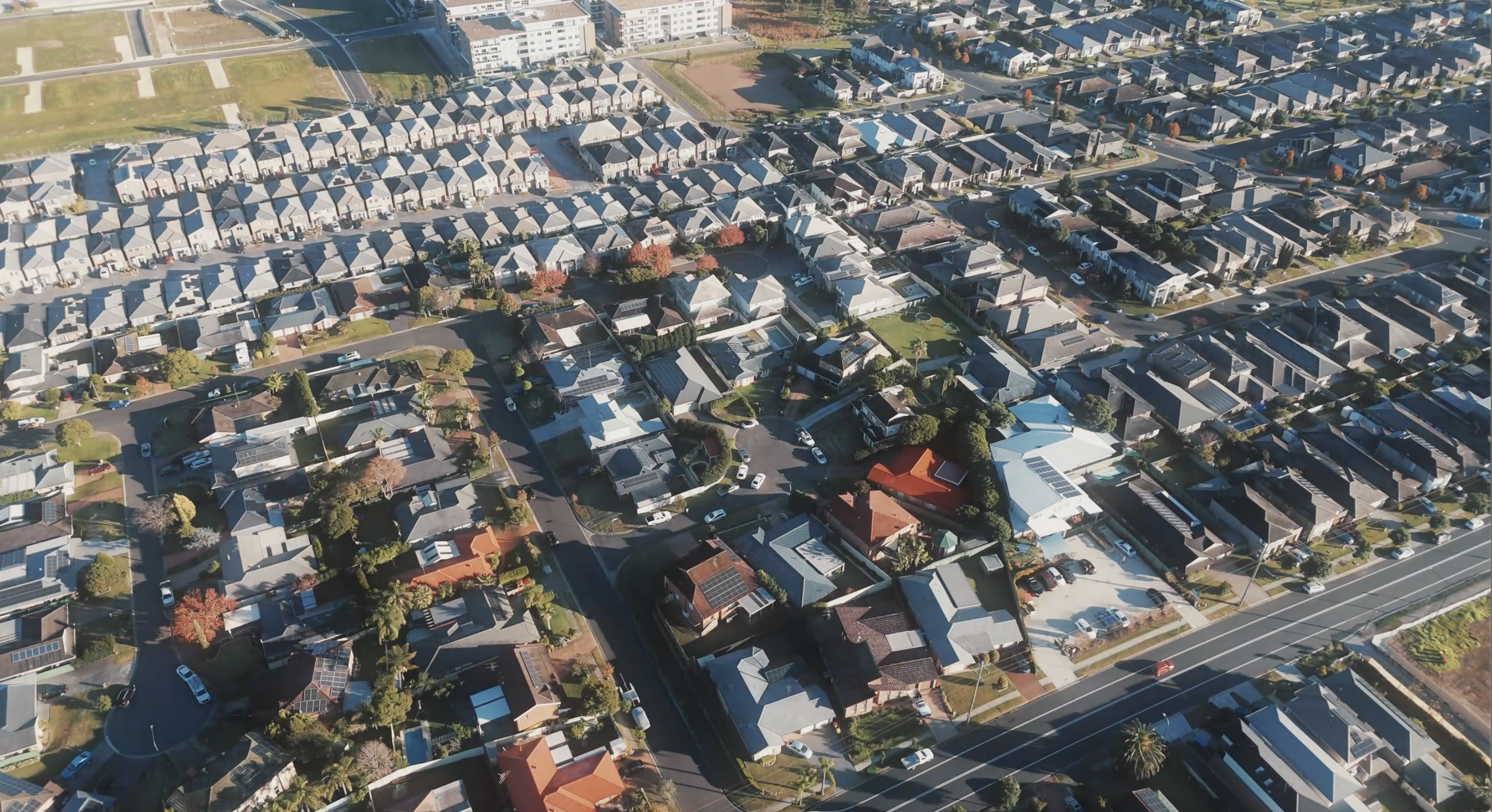
I’ll be blunt: installers and homeowners focus on headline numbers — nominal kW of panels, or battery capacity in kWh — without matching them to real load profiles. I’ve installed string inverters and hybrid inverters on twelve Metro Manila roofs since 2018; the typical mistake was undersizing the inverter or ignoring MPPT behaviour during partial shading. In one project (a three-bedroom bahay in Pasig, March 2023), a 5 kW inverter clipped output repeatedly because of mismatched module orientation; energy losses reached 18% in a single week. That’s measurable pain: less daytime self-consumption, more grid draw, higher bills. I say this from hands-on work — not theory — and it steered how I design systems now.
Forward-looking fixes and comparative choices
I moved from patchwork solutions to a coherent design mindset. Today I compare systems by three practical axes: actual load duration, inverter topology, and battery round-trip efficiency. For the next generation of whole house solar system installs, I prefer hybrid inverters with built-in energy management and a properly sized battery bank — not the smallest one that looks cheap. In a recent 6 kW install with 8 kWh lithium battery in Quezon City (completed June 2024), tuning the inverter settings and reconfiguring arrays cut backup draw by 60% during peak hours; that outcome is repeatable if you design to the load, not the bill estimate.
What’s Next?
Look ahead: microgrid-ready inverters, better battery chemistry, and smarter load prioritisation are the practical levers. I compare grid-tie plus AC-coupled storage versus DC-coupled solutions depending on the home’s needs — and I test shading scenarios on-site with a handheld irradiance meter before finalising the layout. Small details matter: module type, tilt, string length, and even the location of the breaker panel can change outcomes by single-digit percentages that add up. I’ve seen that on Saturdays when a neighbour asks for advice — quick tests reveal hidden issues fast, and then we fix them.
Choosing a solution: three metrics I insist on
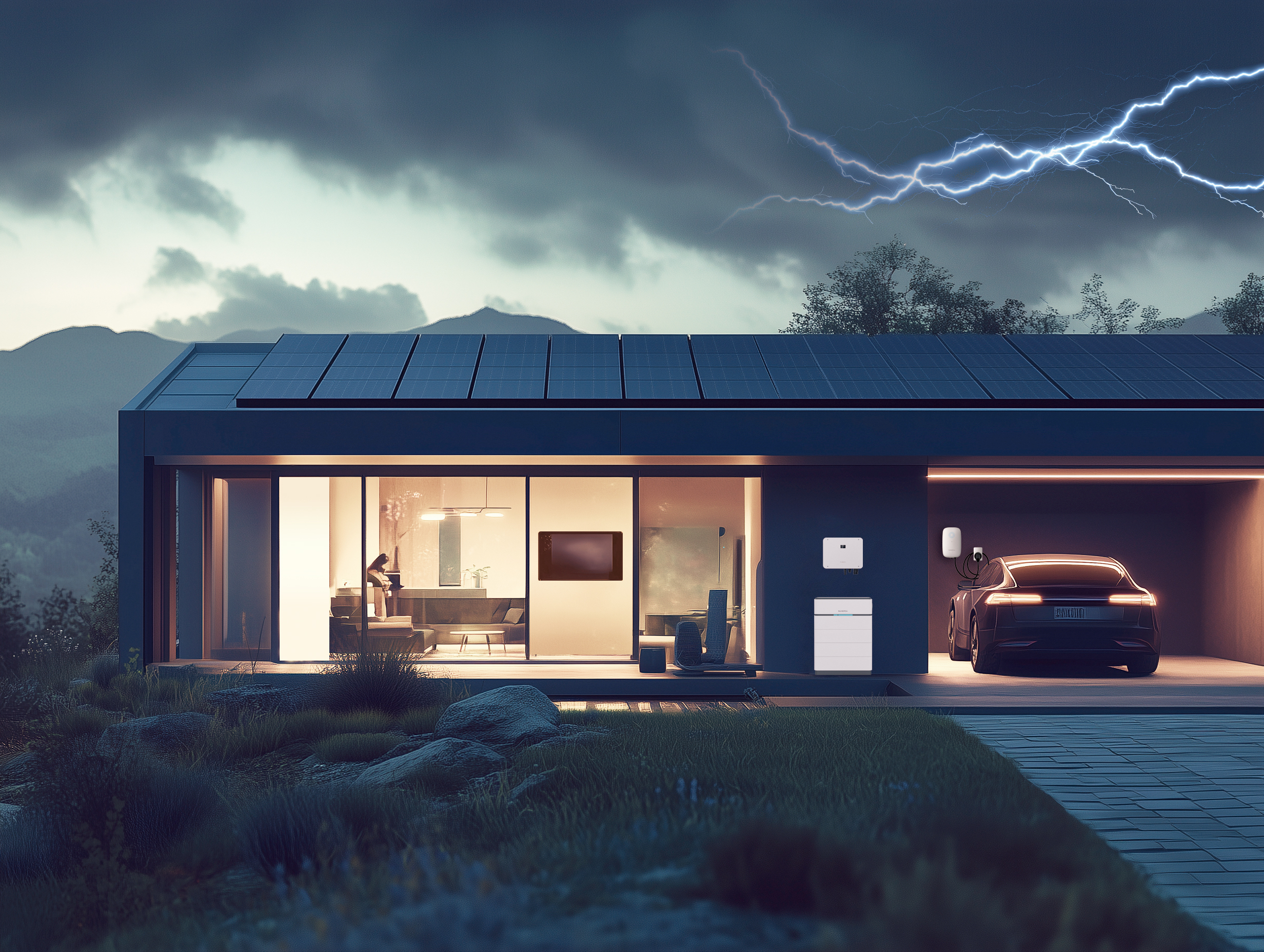
When I consult, I force three checks before signing off: 1) Effective autonomy: measured hours the house can run on battery plus generation at typical load (not vendor claims); 2) Inverter resilience: support for MPPT, islanding and firmware updates — this affects uptime; 3) Lifecycle cost per kWh delivered (including replacements) — not just upfront price. Use real numbers from a week-long monitoring run if you can. I’ve documented reductions in grid draw and seen payback timelines tighten when these metrics guide decisions — simple, practical, and repeatable. Oh — and get a realistic commissioning report; it saves headaches later.
I’ve spent over 15 years installing and advising on residential PV and storage across Metro Manila and nearby provinces, and I speak from those installations — the surprises, the fixes, the wins. If you’re planning a whole-house fitout, compare options with those three metrics, test in situ, and prioritise inverter and battery pairing. For practical products and system examples, I often reference solutions from sungrow — they keep a useful set of hybrid options and documentation that helps field decisions. Anyway — take the measurements first, then decide; you’ll thank yourself later.