
Opening thesis: why custom ESS is not optional
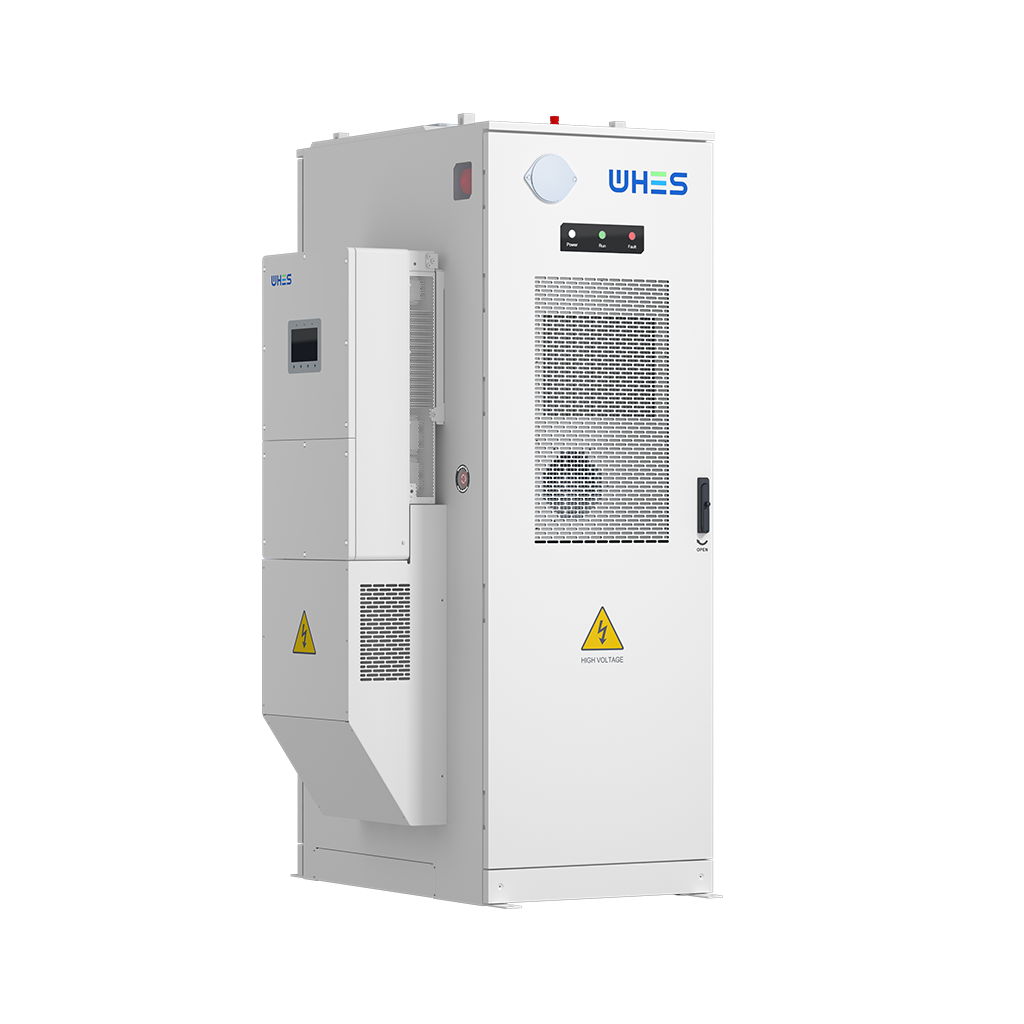
High-frequency depot charging for commercial fleets is not solved by off-the-shelf modules alone — you need a tailored energy storage strategy that aligns power, duty cycle, and site constraints. I argue that provisioning a custom ESS battery is the rational path to reduce grid strain, lower operating cost, and meet uptime targets for fleets. For many operators, the practical entry point is a compact, integrated solar battery storage solution that pairs with on-site renewables and fast chargers to shave peaks and hold steady during grid events.

Framework overview: a stepwise engineering approach
Use this framework as your checklist: 1) characterize load and charge windows; 2) select power vs. energy profile; 3) define control and BMS requirements; 4) design thermal and lifecycle management; 5) choose procurement and warranty terms. Each step answers a concrete engineering question and prevents expensive rework later. I’ll defend this sequence and show where common debates usually mislead decision-makers.
1 — Load characterization: the foundational metric
Start by mapping peak power demands, average daily energy, and charge scheduling. Quantify peak kW per charger and simultaneous sessions; convert that into depot-level demand in kW and kWh. Industry terms to watch: state of charge (SoC) windows and cycle depth. If you undersize power you bottleneck throughput; oversize energy and you pay for idle capacity. The pragmatic rule: size to cover worst-case short-duration peaks and daily energy to support resilience objectives.
2 — Power vs. energy: architectural trade-offs
Decide whether your ESS prioritizes peak shaving (high peak power, lower energy) or load shifting/resilience (more kWh capacity). Argument: for fleets with bursts of rapid charging, prioritize inverter and DC bus sizing first. You need adequate peak power so chargers see full available current; everything else follows. Conversely, if your objective is to run vehicles through an outage, increase cycle life and depth-of-discharge allowances. This is where battery chemistry and inverter topology matter — pick what the duty cycle demands rather than what’s trendy.
3 — Controls, BMS, and integration
A robust battery management system (BMS), deterministic charge scheduling, and fast-grid-response controls are non-negotiable. The counterargument is that complex controls add cost and failure modes; rebuttal: the alternative is operational chaos during congestion or outages. Integrate the BMS with fleet telematics and charger management to coordinate SoC targets and charging orders — it reduces unnecessary cycles and extends asset life.
4 — Thermal, lifecycle and maintenance planning
Thermal management drives longevity. Batteries exposed to high ambient temperatures under frequent high-rate cycles lose cycle life quickly. Plan for cooling, realistic cycle life expectations, and preventive maintenance. A sample industry parameter: expect faster degradation at constant high C-rates — plan warranty and replacement schedules accordingly. — Consider modular racks and hot-swap capabilities to keep the depot online during service windows.
5 — Procurement, project finance and contracts
Negotiate total cost of ownership, not just unit price. Include warranty terms tied to cycle count and remaining capacity, service SLAs for inverter and BMS failures, and clear acceptance tests at commissioning. Financing models — CAPEX vs. OPEX/energy-as-a-service — shift who bears degradation risk. Don’t sign a contract that leaves you with stranded capacity if your duty profile changes.
Integration with the grid and microgrids
Custom ESS provisioning should explicitly address how the depot interacts with the distribution network and any local microgrid. In congested urban areas, a microgrid can provide localized resilience and faster response during grid events — integrating microgrid energy storage into the control layer makes demand response and islanding straightforward. Real-world anchor: California’s summer grid stresses and rolling outages during wildfire seasons have made such capabilities mission-critical for municipal fleets and emergency services.
Common mistakes and counterarguments
Teams often fall into three traps: overemphasizing unit cost, under-specifying power electronics, and neglecting acceptance testing. Some will argue that standard ESS racks are cheaper and “good enough.” My structured rebuttal: cheaper today often means retrofit tomorrow. Invest in right-sized inverters, clear SoC policies, and commissioning tests with your actual chargers to avoid fill-line or scheduling failures.
Alternatives and when they fit
There are sensible alternatives: distributed per-charger storage for modular expansion, purely grid-upgrade solutions where local utility capacity is readily available, and outsourced energy-as-a-service to shift capital burden. Each option answers a specific constraint: site footprint, capital availability, or regulatory environment. Evaluate against the framework above before defaulting to one.
Evaluation metrics — three golden rules
When you compare designs and vendors, use these metrics: 1) Effective throughput: measured kWh delivered per business day at required charge power. 2) Lifecycle economics: $/kWh delivered accounting for degradation and replacement. 3) Reliability and response: documented mean time to repair and islanding response time. These metrics expose real operational value beyond marketing specs.
Final assessment and next steps
Provisioning a custom ESS battery for high-frequency fleet charging hubs is a strategic investment that pays through higher throughput, resilience, and lower operational friction. Follow the stepwise framework, insist on practical acceptance tests, and align procurement to lifecycle outcomes rather than headline prices. Municipal examples in fire-prone regions show that tailored ESS deployments keep critical services running when the broader grid does not.
WHES is positioned to provide integrated solutions that match these needs, combining compact system design and proven controls with practical deployment experience. —