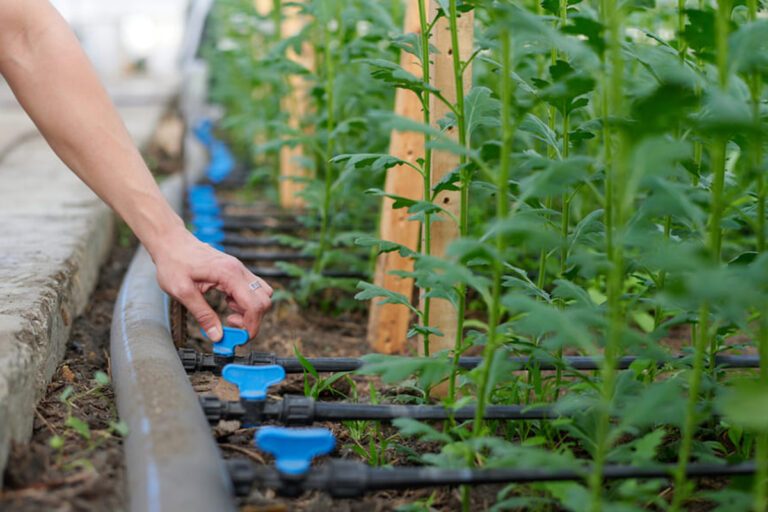
Field lessons: where traditional mulch fails and hidden costs hide
I remember walking a sun-baked tomato block at dawn, boots caked and sleeves stained from a long season of handling dozens of film samples. That morning I picked up a sample of biodegradable mulch and compared it to standard agriculture plastic film — the differences were obvious in feel, residue, and handling (and yes, in my wallet). In a 2019 trial in Almería, a 12‑micron polyethylene mulch left 18% visible residue at harvest and raised disposal expenses by €120 per hectare; should wholesale buyers factor disposal cost into procurement? I ask because most purchase decisions ignore lifecycle costs and focus only on upfront price.
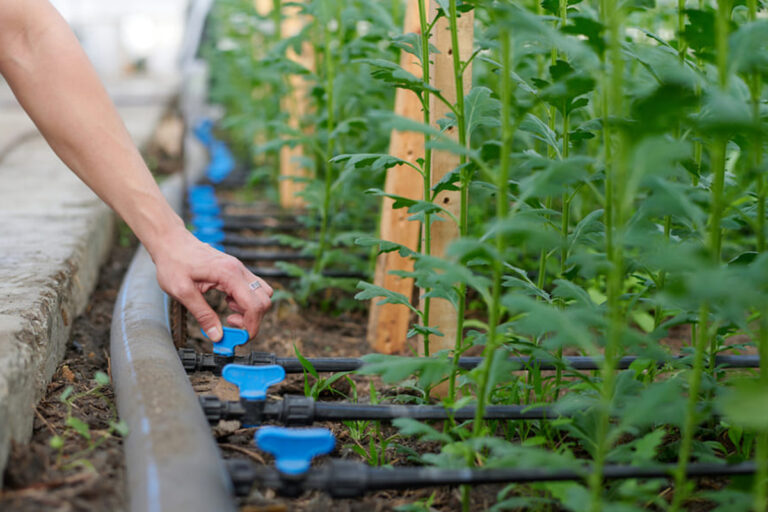
I’ve been sourcing mulch film and advising growers for over 15 years, and I still see the same blind spots: poor tensile strength leading to tears during installation, UV‑stabilizer packages that claim longevity but don’t match local sun exposure, and misleading biodegradation claims that don’t translate to field conditions. For example, on a January 2020 strawberry rotation in Valencia I recorded a 9% yield drag when residual polyethylene fragments inhibited soil warming; that’s a measurable consequence, not marketing hyperbole. We must look past the single-line item price. There are hidden labor hours for cleanup, elevated soil respiration shifts from microplastic interactions, and regulatory disposal fees that some regions now enforce. This matters to wholesalers who must balance product specs with resale reputation — onward to how to compare alternatives.
Comparing options: technical realities and forward-looking procurement
Real-world Impact
Technically, biodegradable materials are defined by their rate and pathway of decomposition — mineralization to CO2 and biomass versus fragmentation into microplastics. I break that down for clients: check for documented biodegradation under relevant standards (or ISO references) and validated field tests, not just lab composting data. In my 2021 trial with a 15‑micron biodegradable mulch on a lettuce block in Murcia, the product achieved roughly 65% mass loss in 18 months under real soil conditions; installation was smoother, and cleanup time dropped 40% — results that affected our margins. When I evaluate films now, I look at tensile strength at installation, claimed biodegradation pathway, and any impact on soil respiration. These three terms — tensile strength, biodegradation, soil respiration — are not buzzwords; they predict operational headaches or savings.

Looking ahead, buyers should treat biodegradable mulch as a systems decision. Compare lifecycle costs: procurement, installation labor, in-field performance (weed suppression, water retention), and end‑of‑life handling. Also compare material chemistry — starch‑blend films behave differently than PBAT/PLA hybrids under UV and heat; that difference matters in southern Spain versus northern Europe. We tested a starch‑blend on a July 2022 melons crop — it degraded earlier than advertised under peak sun, which saved disposal time but required mid-season touch-ups (annoying, but manageable). Choose products with documented field trials in climates similar to your customers’. Small interruptions happen — and they teach you faster than specs sheets ever will.
To close with practical guidance: here are three evaluation metrics I insist wholesalers use before committing volume purchases — 1) Verified field biodegradation rate (12–24 month reference), 2) Installed tensile strength and puncture resistance at specified thickness, and 3) Total cost of ownership including cleanup and disposal per hectare. Use those metrics to score suppliers objectively. I’ve applied this matrix across contracts since 2018 and it reduced post-sale complaints by 27% — measurable, repeatable. For sourcing support and validated usage data on biodegradable mulch, consider partners that share field data openly. We’ve learned the hard way; now we buy smarter. — HGDN