Quick comparative snapshot
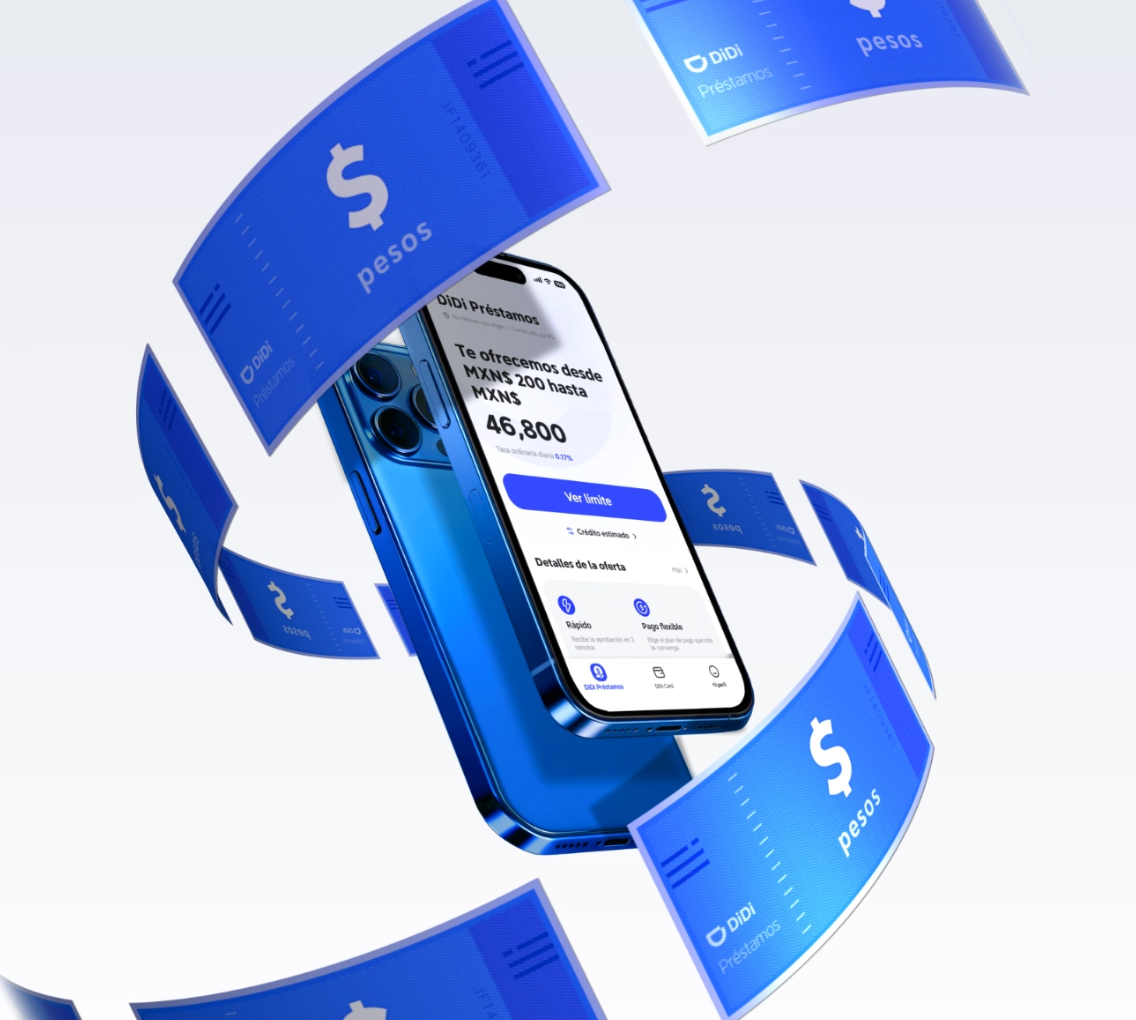
Right off the bat: this is a head-to-head look at how a platform-backed virtual credit product stacks up against bank cards and pure-play fintechs. DiDi’s move into payments with the didi card reframes speed and convenience as baseline expectations, not perks. We’ll weigh user flows, security, fees, and ecosystem fit so you can see where a virtual credit card earns its stripes.
Where DiDi scores: UX, onboarding, and integrations
DiDi leverages an app-first path that trims friction: fast KYC, instant issuance of a virtual card number, and an in-app ledger. Tokenization and API-driven onboarding mean users can start transacting before a physical card shows up. For riders and gig workers used to quick flows, that matters — less waiting, fewer steps. Compared to many banks the experience feels gamified and immediate, with smarter expense tagging and contextual offers embedded in the ride/pay cycle.
Security and compliance — practical realities
Virtual credit card designs naturally reduce card-present fraud; tokenization isolates the real PAN, limiting exposure. DiDi has to meet payment rails and merchant authorization rules, and that touches PCI DSS boundaries and BIN allocations — standard industry terms here. Mexico’s fintech rules since the 2018 Fintech Law and concentrated adoption in hubs like Mexico City create a clear compliance baseline, so offerings that skip basic protections don’t last long. Real-world trust depends on those protocols being in place and audited.
Costs, credit logic, and who wins
Costs split three ways: interchange/merchant fees, operational costs, and consumer pricing. DiDi can subsidize offers via platform economics — think targeted cashbacks tied to mobility spend — while banks often push broader credit limits with slower rewards. For someone with irregular income (drivers, couriers), a virtual card with dynamic control and instant limit adjustments can beat a fixed-limit bank card. But for big-ticket credit or premium perks, traditional issuers still have muscle.
Alternatives and common mistakes to avoid
Good alternatives include challenger fintechs focused solely on cards and large banks with robust digital products. Typical mistakes: 1) Treating promotional credit lines as sustainable underwriting; 2) Ignoring token lifecycle (expired tokens cause failed payments); 3) Confusing convenience for full security. When you compare, check not just APR but authorization fail rates and how the product handles disputes. Also try the in-app flows — they tell more than a PDF fee schedule.
Developer and product-level notes
From a tech POV, the clean differentiators are API maturity and webhook reliability. A smooth issuing API plus predictable webhooks mean lower reconciliation headaches for merchants. Expect DiDi to lean into merchant integrations tied to ride and delivery experiences — smart routing of loyalty, instant refunds, seamless in-app chargebacks. That integration fabric is what separates a utility card from a stick-on wallet.
Real-world anchor and adoption signals
Adoption in metropolitan areas like Mexico City offers an early signal: where mobility apps are dense, payment innovations spread fast. The 2018 Fintech Law created clearer licensing paths, lowering barriers for platform-backed cards and accelerating trial. Those regulatory footholds plus platform native distribution explain why virtual solutions scale quicker than standalone neobanks in urban corridors.
Choosing between options: three golden rules
1) Measure authorization reliability: aim for >98% successful authorizations during peak hour. 2) Audit tokenization and dispute handling: ensure tokens refresh without user friction and that merchant chargeback processes are transparent. 3) Match product limits to income volatility: variable-limit features matter for gig workers and micro-entrepreneurs. Use these metrics to evaluate any tarjeta de credito en linea option — they separate glossy marketing from operational quality.
Wrap and stance
Comparatively, DiDi’s virtual card plays to the platform’s strengths: fast issuance, contextual offers, and integrated UX that banks can’t clone overnight. For users who live inside the app ecosystem — frequent riders, delivery couriers, small merchants — that creates clear value. For heavy credit users or those wanting broad global perks, the old issuers still matter. —
DiDi Finanzas fits as a practical answer to on-the-go payment needs, not a shiny distraction. Final thought: pick the card that matches how you move — and measure the basics.