
Two Lanes to the Same Goal: Why 120kW Matters Now
Here’s a bold truth: time at the plug should feel like time well spent. A 120kw EV charger makes that feel real on an ordinary day. Picture this: you pull up to a fast charging station for EV 320, step inside for a warm espresso, and by the time the crema settles, your range climbs. Numbers back it up—120 kW can add roughly 150–200 km in 15–20 minutes for many packs, depending on curve and weather. But here’s the rub: sessions still slow down when the site shares power, when the battery is cold, or when software lags at the edge. Those small frictions stack up like pebbles in your shoe (tiny, but annoying).
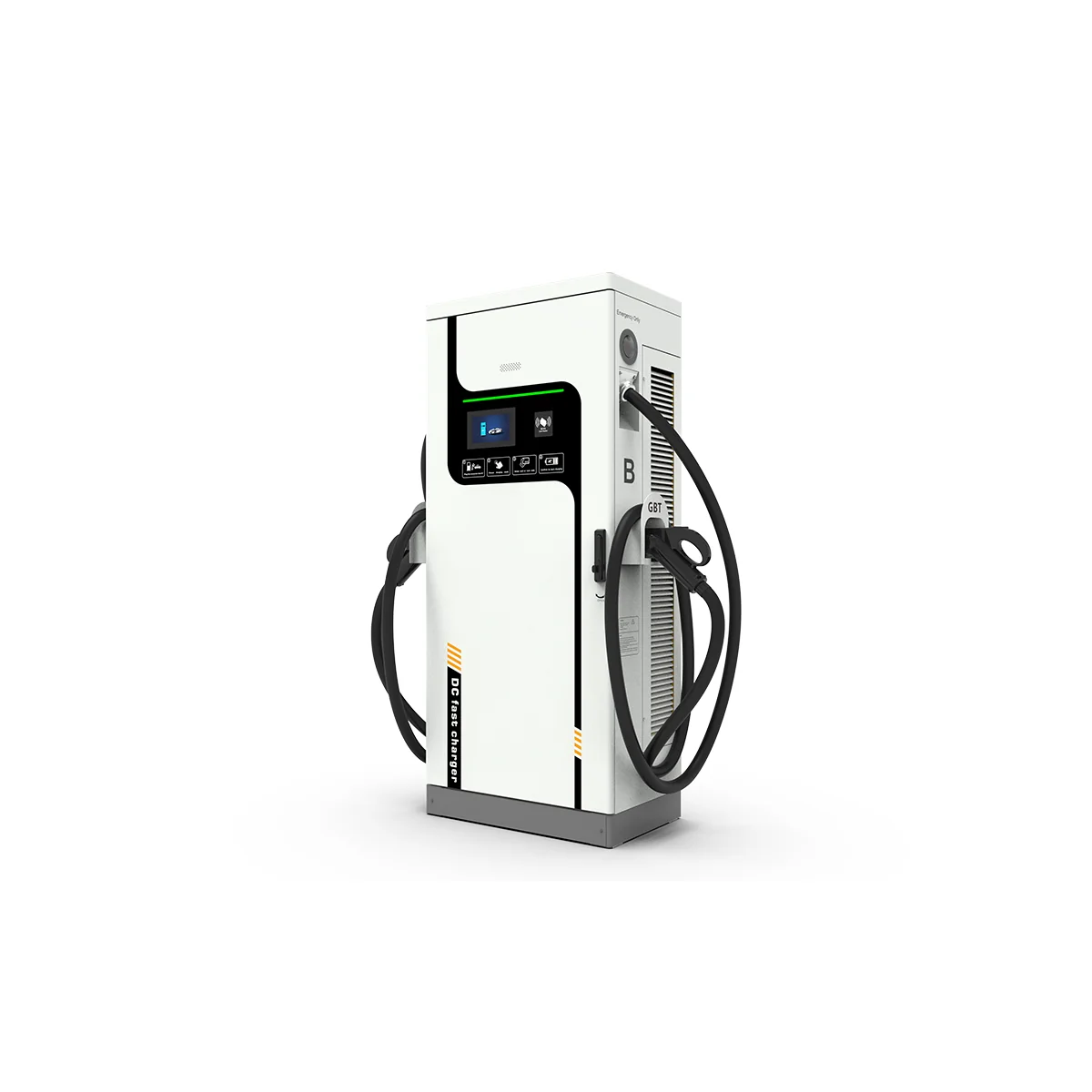
On paper, the station is fast. In practice, load sharing, aging power converters, and weak site orchestration can leave you staring at a screen. Edge computing nodes should make split-second calls. Sometimes they don’t. So the real question isn’t “Is 120 kW fast?” It’s “Can the system deliver 120 kW right now?” Different lanes. Same goal. Let’s compare how to actually get there—without the wait.
The Hidden Friction at the Plug
What slows a “fast” charge?
Let’s go technical for a moment. A site labeled as a fast charging station for EV 320 can still hit limits from three places: the grid feed, the cabinet, and the vehicle. First, dynamic load balancing often caps output when several cars arrive at once. Second, the rectifier stack may be sized for peak, but thermal management trims power to protect components as heat builds. Third, the car’s BMS negotiates via CAN bus and can pull the curve down if the pack is cold or near full. Look, it’s simpler than you think: if any one of those turns conservative, your 120 kW becomes 70–90 kW—funny how that works, right?
Older sites also hide delays in software. Handshakes take too long. Fault codes retry. Or the cabinet uses mixed-age modules that ramp unevenly. When edge computing nodes lag, power setpoints oscillate. You see it as a jittery number on-screen. Add cable heat and a tight ambient, and throttling kicks in to save the day, not your schedule. The result? A “fast” label with slow moments. The fix starts with smarter orchestration, cooler hardware paths, and cleaner negotiations that avoid back-and-forth guesses.
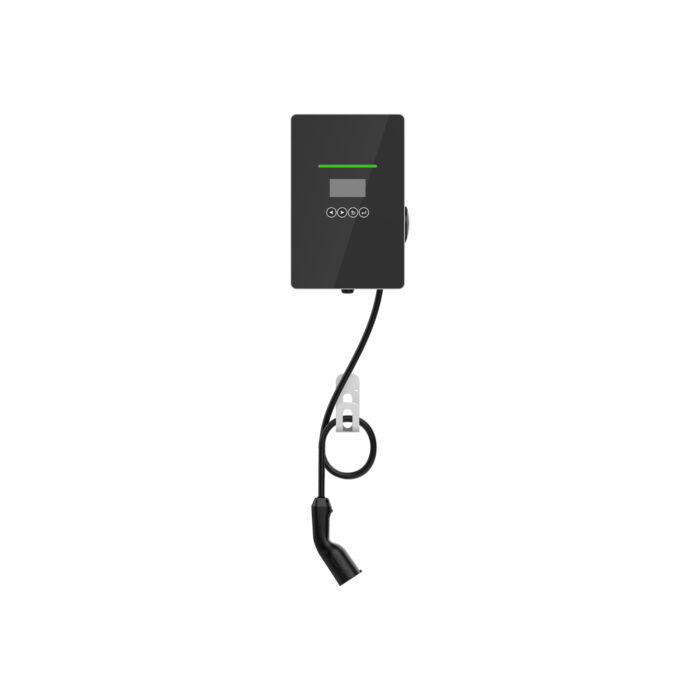
Comparative Outlook: Principles That Shrink Wait Time
What’s Next
Now shift the lens to how new sites are built. Cabinets using high-efficiency power modules and liquid-cooled delivery keep amperage steady for longer bursts. Silicon-carbide switching reduces losses, so less heat means fewer slowdowns. Site controllers distribute power by priority and state-of-charge, not first-come alone—so a near-empty car gets a short, sharp boost and leaves. That’s fair. And fast. When you step up to a flexible platform—say, a modular 120 kW architecture with a seamless path to a 160kw DC charger—you gain headroom for weekends, fleets, and cold snaps. Open protocols like OCPP help, too, because they tune sessions with real data, not guesses. Small changes. Big gains.
Here’s the practical takeaway. If Part 2 showed you where friction sneaks in, this part shows how modern principles keep charge curves smooth—less oscillation, better cooling, smarter load sharing. The outcome is simple: more minutes at target power and fewer drops. To choose well, use three checks: 1) Thermal headroom: ask for liquid cooling specs and real ambient derating curves. 2) Power orchestration: look for dynamic load balancing that prioritizes SOC and session time, not just connector count. 3) Service resilience: verify uptime, modular hot-swap power converters, and clear fault telemetry. Do that, and your wait time starts to disappear—right when it matters most. See the difference in the details, and the road feels shorter. winline EV charger