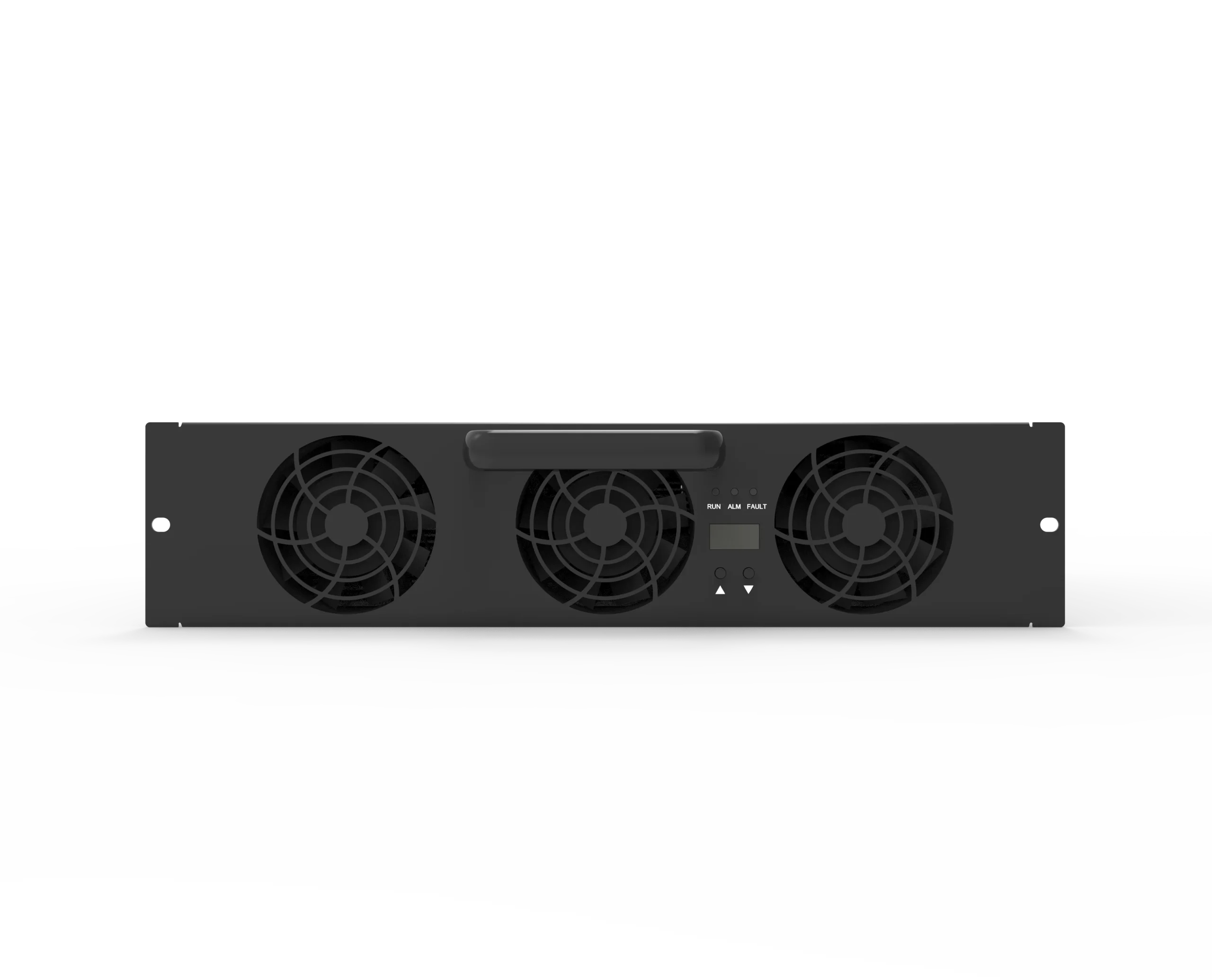
Introduction: Why Protection-First Modules Change the Baseline
Safety is the real bottleneck in fast charging, not watts. In the field, the EV charger power module takes the hitting load of heat, spikes, and even user error. Picture a busy highway site at dusk: eight DC stalls, four cars in queue, and one cabinet that keeps tripping after a rain. Numbers show it’s common—service teams report that a meaningful share of outages tie back to protection misfires rather than failed silicon. Many sites now turn to the high protective charging module to cut downtime. The idea is simple (but effective): stop faults fast and stay online longer. So ask yourself—what if the real upgrade is smarter defense, not only higher kW?
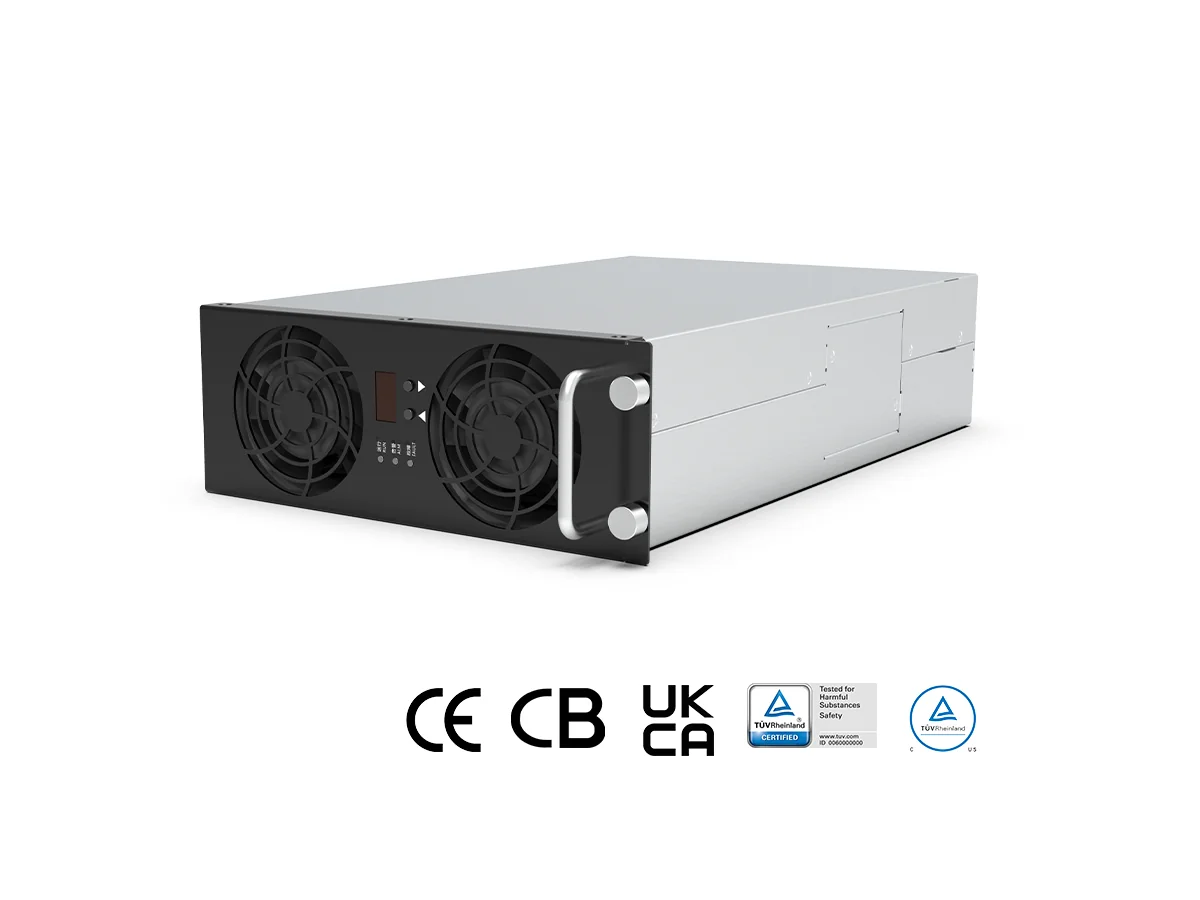
Where do traditional modules fall short?
Look, it’s simpler than you think. Legacy designs often rely on slow fuses, broad derating, and coarse over‑current rules. That mix protects hardware, but it can trip early and often—funny how that works, right? When the PFC stage sees sags or surges on the grid, a blunt response can drop the whole rack. Harmonic distortion creeps up, EMI filters stress out, and the DC bus gets noisy. Users see it as “charger down again,” while operators eat the truck roll. A protection‑first module narrows the blast radius with fast sensing, local isolation, and smart restart logic. It talks over CAN bus cleanly, coordinates with other power converters, and restarts a lane without killing the cabinet. Bottom line: fewer nuisance trips, more uptime, calmer queues. Next, let’s compare what protection‑first actually changes and how it holds up at scale.
Comparative Outlook: New Principles That Lift Both Safety and Uptime
We can contrast two paths. One leans on brute margins. The other applies precise control and layered defense. Protection‑first modules sample more signals in real time, then act in micro‑windows, not seconds. They shape inrush with soft‑start, clamp transients before they bloom, and isolate faults so a single string does not sink the bank—crucial on busy sites. Wide‑bandgap devices like SiC MOSFETs cut switching loss, so thermal headroom grows without bulky derating. Digital loops reduce overshoot on the DC bus and keep the pack within safe charge windows. Modules that embody this stack—like the platform linked here —also track health metrics and share them upstream. That means cleaner data, fewer blind spots, and faster service actions. Small steps, big result.
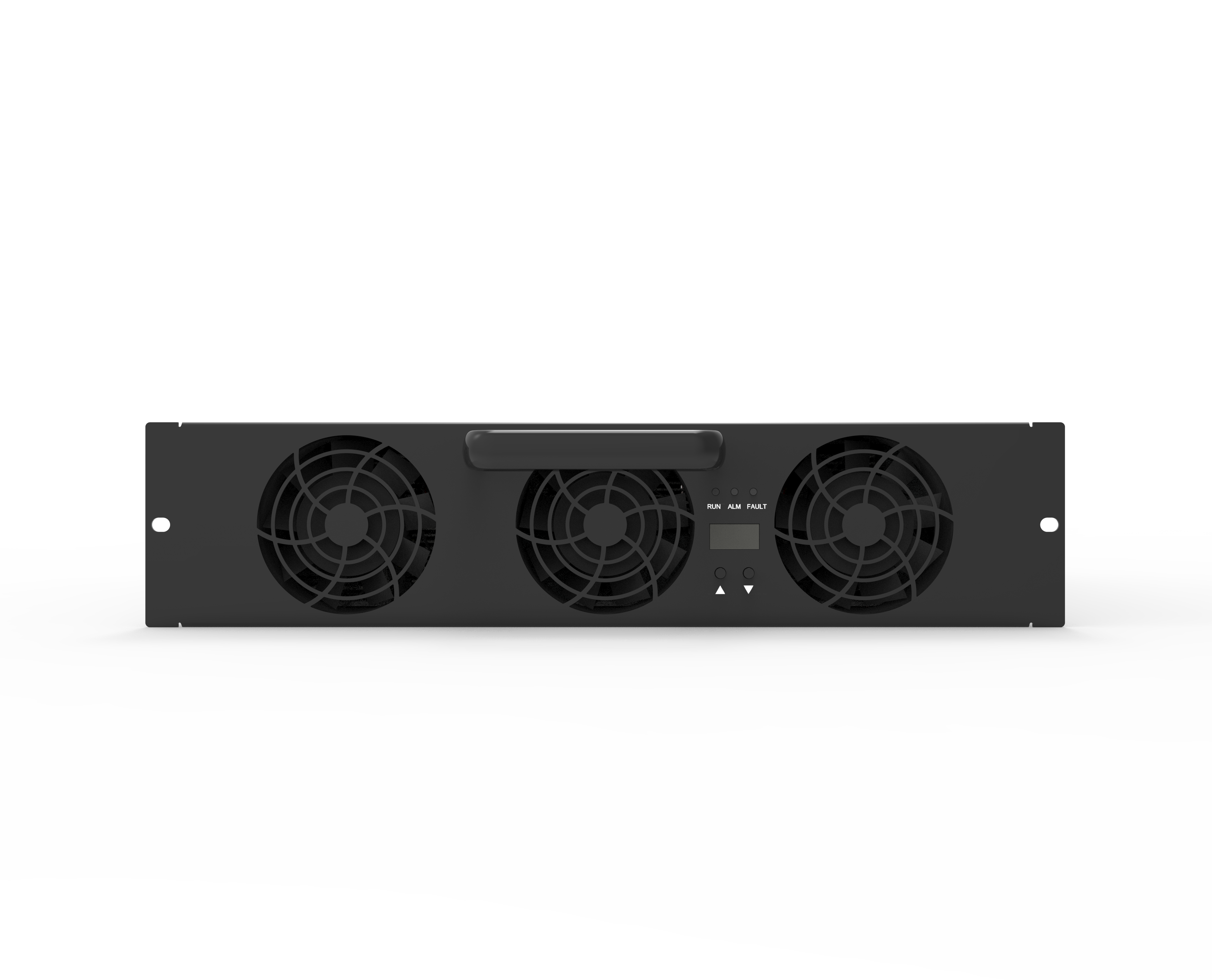
What’s Next
Tomorrow’s sites will mix battery‑buffered cabinets, grid services, and edge analytics. A protection‑first unit fits this puzzle by coordinating with energy storage, shaping THD, and exporting clear alarms. It supports graceful fallbacks—one lane derates while others run—so customers keep charging. The lesson so far: precise sensing, quick isolation, and steady restart logic beat brute force. Now, how should you choose? Use three checks: response speed to faults (sub‑millisecond trip and recovery), thermal reliability under sustained load (MTBF and validated derating curves), and power quality at full output (THD and conducted EMI). Track these, and uptime follows—because resilient design scales better than raw wattage. Advisory close: compare real logs, not only spec sheets, and verify behavior on grid sags. Then select the module that keeps people moving, safely and quietly. Finally, keep a human view—no one remembers “peak kW,” but they do remember no delays. See more at winline EV charger.