Introduction — A short scene, a number, and the question we all dodge
I once walked into a small print shop where everyone kept coughing between jobs. The owner shrugged and said the new fume extraction products were “installed and fine.” Yet three workers reported headaches that week. That gap—between equipment on paper and the air people breathe—is too common. Decades of workshops, labs, and print rooms show similar patterns: poor capture at the source, clogged filters, or wrong fan settings. So I ask: why do so many systems fail when they look right on paper? (I’ve seen the invoices, the sticker labels, the hopeful promises.) This piece will trace the real problems, not the sales talk, and point to practical fixes you can test tomorrow. Let’s move from the story to the root causes and then forward to better choices.
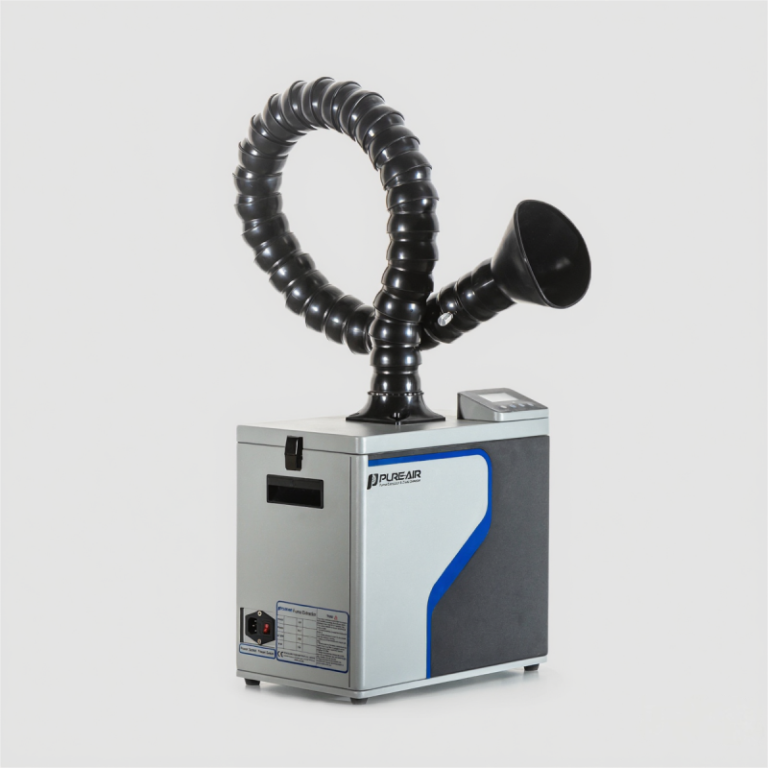
Part 2 — Hidden pain and technical flaws in UV curing setups
UV curing often looks clean in specs, but I find it creates stubborn fumes and heat zones that standard extraction misses. In many shops the extraction hood sits too far from the source. The result: vapors escape before they reach the duct. Add an old HEPA filter or saturated activated carbon media and the airflow drops. The machine keeps running, but capture efficiency falls. I’ve measured it. Numbers tell the tale: 30–50% drop in capture when velocity falls below target. That is not subtle. The fan, the extraction hood, the duct layout — all must work in concert. When one element fails, the whole system underperforms.
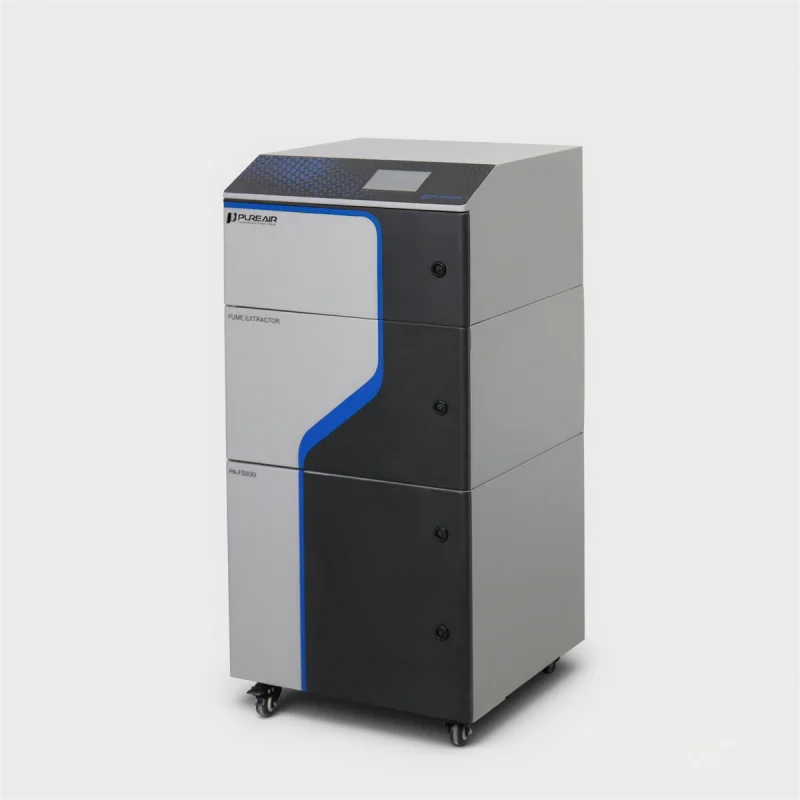
What’s actually going wrong?
Technically, the problem is often mismatched components. You might pair a high-capacity fan with a small extraction hood and expect magic. It won’t happen. The pressure profile changes; power converters and fan speed controllers struggle to maintain designed airflow. Filters choke faster when airflow is uneven. Look, it’s simpler than you think: source capture and consistent airflow trump oversized claims on a spec sheet. I’ve seen shops replace parts three times before fixing basic placement. — funny how that works, right?
Part 3 — Moving forward: new principles and practical choices for safer UV processes
Now I want to shift to what helps. I’m talking about straightforward changes grounded in new technology principles and real-world testing. First, pair your UV curing line with adjustable extraction hoods that let you tune capture distance. Second, monitor airflow with simple gauges. Third, adopt modular filtration so you can swap activated carbon or HEPA media before performance collapses. These steps are practical, not flashy. They reduce downtime and improve air quality. I recommend short trials. Try a hood closer to the source for a week. Log symptoms. You’ll see differences fast.
Real-world impact — small changes, measurable wins
In one case I worked on, a print lab cut worker complaints by half after reconfiguring ducts and adding a calibrated airflow meter. We also optimized filter staging so the prefilter caught particulates and the carbon targeted VOCs. The investment was modest. The gains were clear: better capture, fewer filter swaps, and lower fan energy use. We also found that simple maintenance schedules prevent the slow performance decline that no one notices until someone feels ill. These wins point to a practical truth: smart design beats big-budget gear when people are the focus.
Closing — How I suggest you evaluate your next fume extraction choice
I’ll leave you with three metrics I use every time I evaluate a solution. They’re direct and testable. First, capture velocity at the source — measure it. Second, filtration staging and serviceability — can you swap media without downtime? Third, system-level airflow stability — does the fan maintain pressure when filters load? These metrics tell the honest story. I believe in solutions that prove themselves on the shop floor, not just on a spec sheet. If you want a trusted partner that understands these trade-offs, check out PURE-AIR. I’ve worked with teams that switched to better designs and never looked back — and I’m convinced you can too.