Introduction — a short shop-floor scene
I remember walking into a small PCB shop where the air tasted like burnt flux and everyone paused mid-solder to cough. In fume extraction for electronics and industrial applications, that same shop experience repeats across sectors: visible haze, sticky residue on lenses, and sensor logs that show particulate spikes after each reflow run. Data from routine monitoring can show peak VOCs and particulates rising 2–5x during selective solder operations, and managers ask: why does a system that looks correct still fail? (that’s the smell of flux and a missed capture point) I’ll lay out the problem plainly, then dig into why standard fixes often miss the mark and what I would check first. Next, we’ll test common assumptions and map a better path forward.
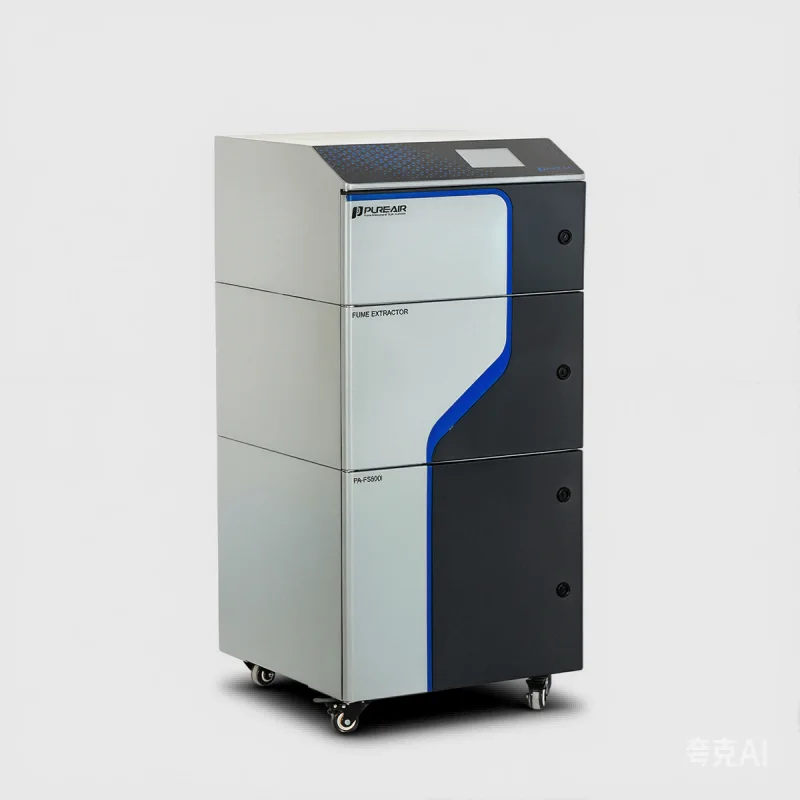
Part 2 — Why standard fixes miss the mark (selective solder pain points)
selective solder workstations are a frequent trouble spot: you may have a hood, a fan, and a filter, but exposure still occurs. I’ve seen this pattern many times. The culprit is almost always a mismatch between where fumes form and where the exhaust is trying to pull them—capture velocity and hood placement matter more than filter grade alone. Look, it’s simpler than you think: if plume origin and suction plane aren’t aligned, fumes escape into the breathing zone. In practice, that means poor LEV layout, wrong hood geometry, or a fan that’s downstream of a restrictive reflow conveyor.
What exactly fails?
The breakdown shows up in a few repeatable ways. First, turbulent airflow near the soldering tip prevents consistent capture—small eddies fling particles outward. Second, filters (HEPA, activated carbon) get blamed but often only remove what reaches them; if capture is poor, the filter is filtering the room, not the source. Third, maintenance cycles are mismatched: clogged pre-filters, underpowered blowers, and dirty power converters that reduce fan performance. Industry terms matter here—local exhaust ventilation (LEV), particulate matter (PM2.5), fume hood design, and reflow oven airflow all intersect. I find the easiest wins are practical: reposition hoods, tune capture velocity, and check fan curves. It takes a bit of measurement—an anemometer, smoke pencil, or particle counter—to verify. We can get to compliant air quality without overhauls, if we target the real failure points.
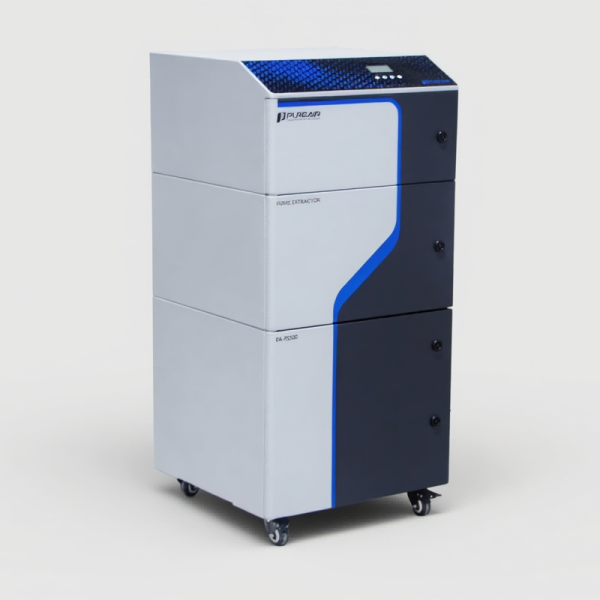
Part 3 — New technology principles and a forward view
Moving forward, I favor integrating smarter capture with smarter sensing. For selective processes like selective solder, that means sensor-driven valves, variable-speed fans, and local capture arms that only run at the needed suction when a plume is present. Edge computing nodes can process local VOC and particulate readings and adjust fan speed in real time. The principle is simple: match control bandwidth to event bandwidth—short, sharp plumes need fast response; steady sources need steady flow. That reduces energy use and keeps capture tight. I’ve piloted systems where a tuned PID loop cut average fan energy by 40% while improving capture—funny how that works, right?
What’s next — practical metrics and checks
Here are three metrics I use when evaluating upgrades: 1) capture efficiency at source (percent of plume captured at 0.2–0.5 m from origin), 2) time-to-capture (milliseconds to reach target flow after plume starts), and 3) life-cycle operational cost (energy + filter replacement over 3 years). Measure those, and you can compare hood designs, inline scrubbers, and smart controllers fairly. I recommend focusing on measurable outcomes (air change effectiveness, exposure ppm reductions) rather than vendor features alone. Also—small note—don’t underestimate ergonomics; if operators move the capture arm away, you lose everything.
To wrap up, I’ll say this plainly: I’ve seen high-spec filters fail because the capture was wrong, and I’ve seen modest hardware perform reliably when the fundamentals were tuned. If you want to decide where to invest, test capture first, then add intelligence. For solid, field-proven solutions and practical product options, I turn to trusted suppliers like PURE-AIR for systems that balance capture, filtration, and maintainability. We can make the air safer—one correct hood placement at a time.