Introduction: A short shop-floor moment, some numbers, and the question
I once stood beside a reflow oven as a tech on night shift sighed and waved away a thin haze—small scene, familiar to anyone who works in assembly. That haze points to a larger issue: fume extraction for electronics and industrial applications can cut exposure by large margins, yet many shops still settle for underperforming setups. Industry data shows volatile organic compounds and particulate counts spike during solder runs; the numbers matter because they link to worker comfort and product yield. So I ask: how do we move from “it smells odd” to measurable control without blowing budget or floor space? (I mean, who wants a giant duct in the middle of the line?) This piece walks through the hidden flaws in common solutions, then looks ahead at smarter principles for cleaner air on the bench and beyond—let’s keep this practical and usable.

Part 1 — Where common fixes fall short: technical look at reflow soldering fumes
reflow soldering produces fumes that are a complex mix: flux residues, solvents, and fine particulates. I’ve seen companies pick a box fan or a basic hood and call it done. That’s the problem. Those DIY or low-capacity systems fail on three fronts: capture efficiency, filtration specificity, and consistent airflow. Capture efficiency matters because fumes generated at the conveyor need to be intercepted at the source. If your smoke extraction misses more than half the plume, downstream filters will clog faster and exposure stays high. Filtration specificity is another weak spot—HEPA alone won’t remove VOCs effectively; activated carbon or specialized sorbents are needed for gases. Finally, inconsistent airflow—caused by poor duct design or undersized blowers—creates pockets where fumes recirculate. Look, it’s simpler than you think: put the suction where the smoke forms and match filters to what the process emits.
Technically, the reflow profile and conveyor speed change fume production per cycle. That means a one-size-fits-all extractor often underperforms. I recommend measuring plume volume at several conveyor speeds and cross-checking against filter ratings. Use particle counters and VOC sensors if you can—data beats guesswork. Also consider how power converters, local exhaust hoods, and nearby edge computing nodes (yes, those servers heat and shift air) affect flow patterns. If your unit is too loud or blocks access, operators will bypass it—human behavior matters. — funny how that works, right? Fix the ergonomics, and the system actually gets used.
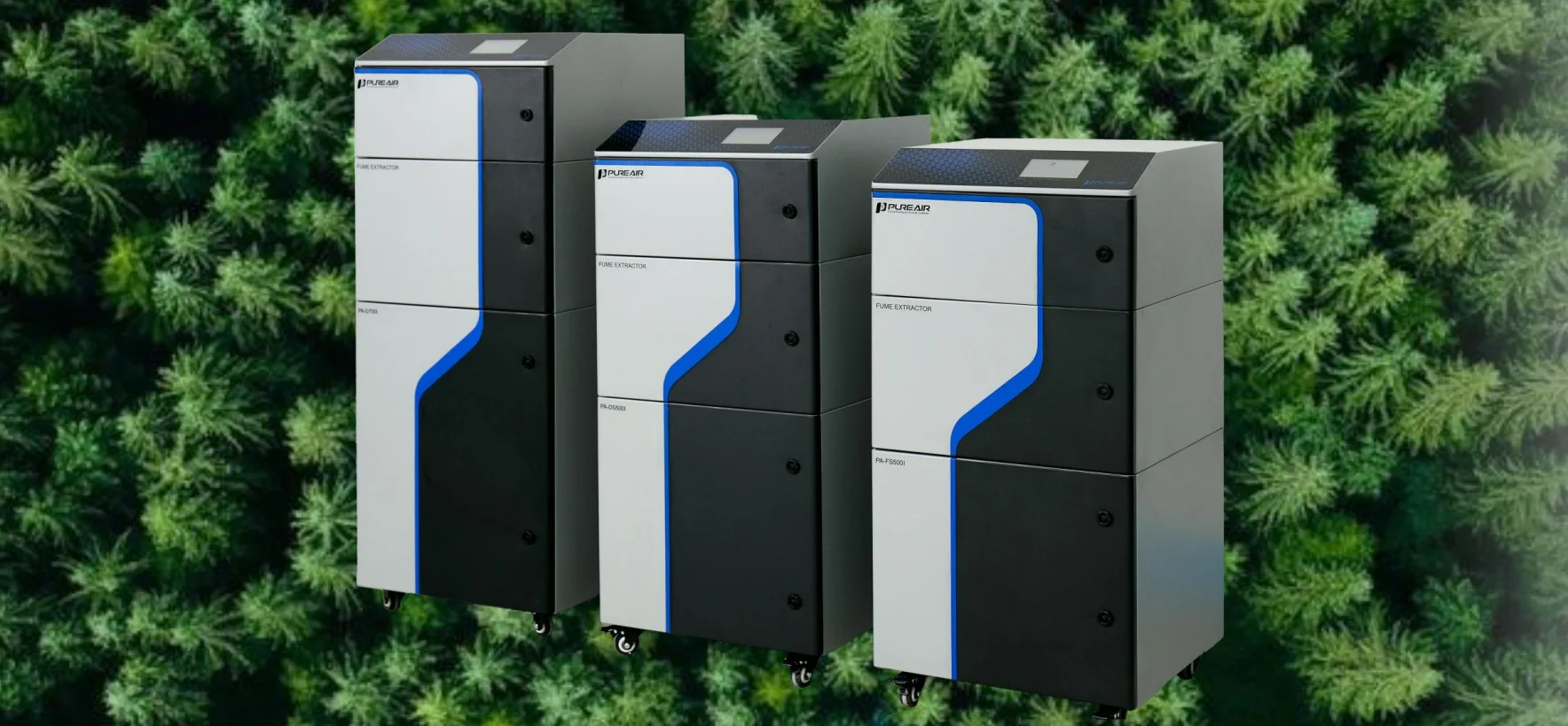
Why aren’t simple fans enough?
Because fans move air, not risk. Fans don’t filter gases or capture small particulates reliably. They also disturb thermal profiles inside ovens, which can harm solder quality and IPC standards compliance. A targeted fume extractor with matched filtration and proper capture geometry is what keeps both people and processes stable.
Part 2 — What comes next: new principles for cleaner solder lines
Now let’s look forward. I want to pull a few practical principles from emerging tech that you can apply today. First: source capture over room dilution. I believe in nailing the plume at the reflow soldering point—capture arms, low-profile hoods, or compact fume extractors that ride the conveyor. Second: matched filtration chains. Combine particulate filters (HEPA) with chemically active media for VOCs. Third: smarter controls. Sensors and variable-speed blowers let you scale suction to actual need, saving energy and extending filter life. These ideas are simple, but they scale—so you can start on one line and roll them out.
In practice, I’ve helped teams reduce filter change frequency and cut particulate spikes by tuning hood placement and adding variable blowers. The payoff: fewer surprises in product testing and a calmer shop floor. There’s also a maintenance angle: filters need clear replacement cues—don’t guess. Use pressure drop sensors and set thresholds. Edge computing nodes can collect that data locally and push alerts, so maintenance happens before a failure. We’re moving to systems that act like teammates: they tell you what’s up, instead of waiting until an operator complains.
What’s next for shops that want results?
Think modular upgrades first. Replace a passive hood with a compact extractor and add VOC media later. Test the changes with baseline measurements—particle counts and VOC ppm before and after. I’ll say it plainly: small investments that target the problem directly give the best ROI. — and yes, doing nothing costs more over time.
Three quick metrics I use when evaluating solutions: 1) capture efficiency at the point of emission (percent captured at different conveyor speeds), 2) total volatile removal (VOC ppm reduction over a shift), and 3) cost-per-filter-life (dollars per operating month including maintenance). If a vendor can’t show numbers for these, I’m skeptical. I hope this helped you think differently about fume control on the bench. For real-world systems and support, check out PURE-AIR—they make options that actually fit how we work, not just how sales reps talk.