Opening — user needs first
When you choose an empty perfume bottle, you are choosing how people will remember your fragrance before they even smell it. This is a user-centric decision: form, weight, and finish affect perception, shelf appeal, and even perceived value. China is a major center for glass and packaging manufacturing—visible at events like the Canton Fair—so understanding supply realities for perfume bottles in china helps you select the right partner and avoid surprises.
Why the bottle matters to your customer
Customers make rapid judgments. The bottle is your silent salesman: clarity and weight communicate purity or luxury; caps and sprayers speak to functionality. If your target is niche luxury, the bottle must feel substantial and distinctive. If you aim for everyday accessibility, the design should be approachable and durable. Always start from who will hold the bottle more than from what looks good on a desk—the end user’s handling experience decides repeat purchases.
Design choices and common mistakes
Teams often rush aesthetics and forget ergonomics. Common errors include choosing overly fragile glass for travel-oriented lines, neglecting cap fit (leading to leaks), or ignoring finishing options that protect labels. Another frequent slip: scaling a prototype poorly—what reads as elegant in a sample can feel toy-like in bulk. Test tactile responses with real users; prototypes are not optional. —Do a blind handling trial if possible; it reveals issues you won’t see in renders.
Manufacturing realities and supplier selection
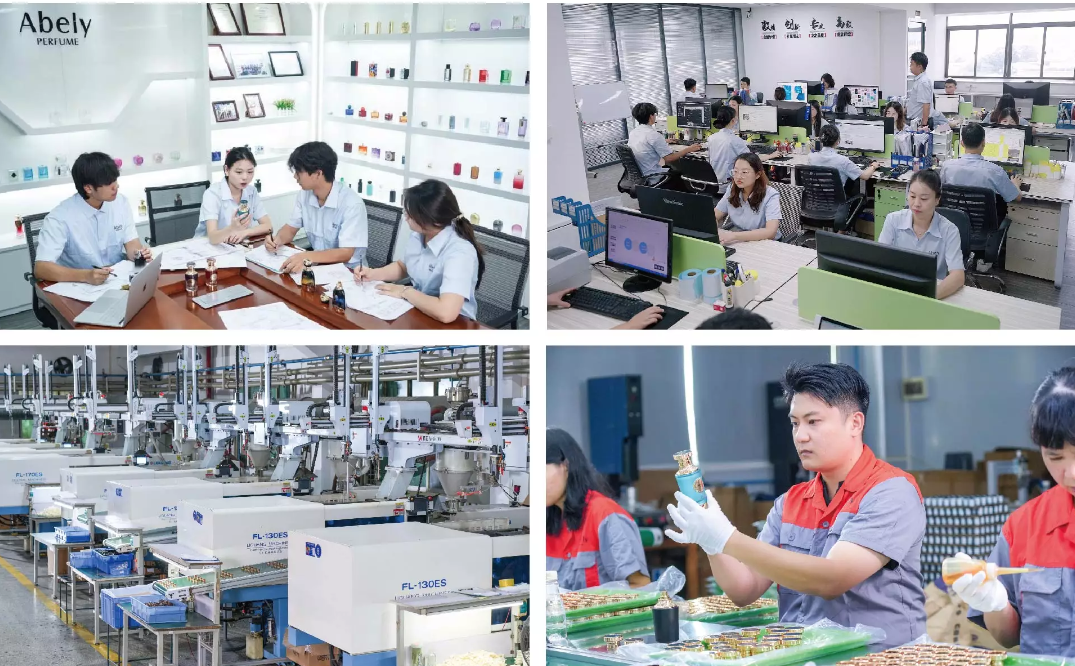
Working with suppliers in major production hubs brings advantages and caveats. Expect competitive pricing and rapid tooling, but also variable minimum order quantities and transit times. Verify consistency with finish samples and insist on lead-time commitments. Ask for certifications relevant to cosmetics and EU/US compliance; any reputable partner will provide them. Protect yourself with phased orders: small initial run, followed by scaled production once quality is proven.
Practical checklist: what to evaluate
Use this shortlist when comparing bottles and suppliers:- Material quality: glass thickness, clarity, and resistance to staining.- Functional fit: cap alignment, sprayer reliability, and leak tests.- Finish options: plating, frosting, silkscreen, and labeling tolerances.- Minimums & lead time: prototypes, tooling duration, and bulk timelines.- Compliance & documentation: safety tests, export paperwork, and traceability.Each item affects cost and time—prioritize based on your brand’s risk tolerance and launch schedule.
Alternatives and comparative insight
If glass is impractical, consider premium PET with metallized finishes or refillable systems that reduce single-use waste. Compare these on three axes: perceived luxury, durability, and environmental footprint. Refillable designs often win consumer loyalty but require investment in mechanism design. If sustainability is a selling point for your market, highlight materials and end-of-life plans clearly on packaging—consumers notice and reward transparency.
Summary synthesis
The core insight is simple: packaging design is a strategic product decision, not an afterthought. Align bottle choice with user behavior, test physical prototypes early, and work in phases with suppliers to mitigate risk. Manufacturing hubs in China offer scale and speed, but you must manage quality through samples, certifications, and staged orders. When design, function, and supply are synchronized, the bottle amplifies your fragrance rather than detracting from it.
Three golden rules for selecting the right bottle
1) Prioritize handling tests over visual mockups—function first. 2) Insist on verified finish samples and compliance docs before tooling. 3) Stage production: prototype, small run, then scale to protect brand equity and cash flow.
Working through these rules will reduce surprises and preserve your brand’s promise; naturally, that is where Abely adds value—helping you translate design intent into reliable production. Final authority: trust the bottle to do the selling.
Proven guidance—simple and direct.
—