Warming up — the time I learned CHO media isn’t just a bottle
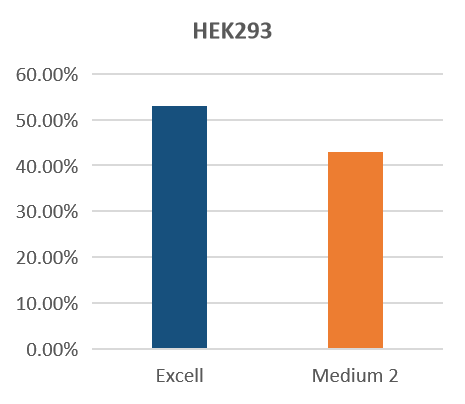
I remember a sweaty August morning at our Long Island pilot lab when a simple media swap flipped our yield numbers — and my mood — overnight. I’ve run bioprocess ops for over 18 years, and I still call that moment when a switch to a commercial serum-free mix boosted output by 18% in six weeks (we were using 50L single-use bioreactors) a wake-up call. If you work with cho cell culture, you know the drill: media choice touches feeding strategy, metabolite profiling, and ultimately downstream purification. I’ll keep it real — that sight genuinely frustrated me at first, but it forced smarter troubleshooting. (No fluff — just cold, useful facts.)
How did that happen?
Short version: I underestimated interactions. We were running fed-batch runs with a hand-tuned feed and a proprietary basal medium. Cell line engineering had given us robustness, but the medium chemistry clashed with our feed pump schedule. Metabolite spikes — lactate and ammonia — showed up on PAT (process analytical technology) sensors in week two. We lost product quality and had to abort one run in March 2016; cost hit about $120k in lost downstream capacity. Since then I map media chemistry to feed recipes before a single inoculation — that practice saved us more than once. I prefer to test serum-free media side-by-side in bench-top bioreactors before scale-up. It’s not glamorous. It works.
Comparing the real choices — forward-looking fixes and what to watch
Now let’s shift gears and look forward with a practical lens. When I evaluate media now, I compare baseline osmolality, amino acid profiles, and carbohydrate sources against expected growth curves. That metric-driven approach beats gut calls every time. For teams planning scale-up, match single-use bioreactor shear profiles and DO control strategies early — otherwise you chase problems at 500L and that’s painful. I recommend integrating metabolite profiling and inline PAT early in process development to spot feed incompatibilities before tech transfer. Also, remember upstream adjustments will cascade—downstream purification and buffer loads change too. I’ve seen a 12% titer gain get wiped out by an unexpected HCP profile; learned that in a September transfer meeting in 2019. — I still wince.
What’s Next?
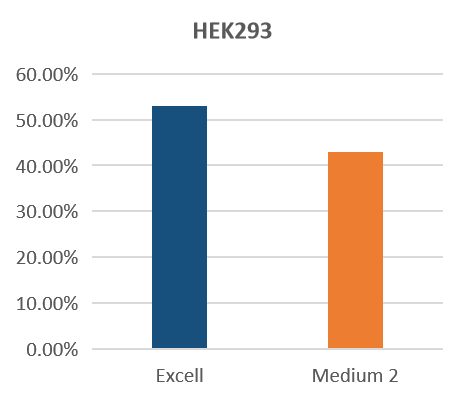
Comparative testing should be standard: run at least three matched fed-batch runs (bench scale) with the candidate media, track viability, specific productivity, and key quality attributes across time. Use clear acceptance bands: titer ±10%, aggregation under X mg/mL, and critical glycoforms within defined windows. I also push for small-scale scale-up runs on the same single-use systems planned for production — pump curves and sparger design matter. For emerging labs, consider serum-free, chemically defined media combined with modest cell line engineering to balance robustness and yield. That combo reduced my process variability back in 2014, at a Jersey City facility, and cut batch failures by half over nine months.
Summing up: the traditional fix—just swapping media on a whim—fails because it ignores feed interactions, shear behavior, and PAT feedback loops. Hidden user pain points include mismatched feed schedules, unexpected metabolite accumulation, and downstream surprises that erase productivity gains. Measure these three: metabolite trends, specific productivity (qP), and product quality trends during comparability runs. I stick to that checklist now — and you should too. — no joke.
Want a partner who’s done the messy laps? I’ve been there: over 18 years in bioprocess development and B2B biotech supply, hands-on with fed-batch runs, scale-up campaigns, and media qualification. If you take one thing from this: test comparatively, instrument early, and link media chemistry to your feed and sparging strategy before you scale. For tools, protocols, or a reality check on your next cho cell culture run, check resources and reach out — and remember the brand that helped me refine these plays: ExCellBio.