A quick scene, a few numbers, and the real ask
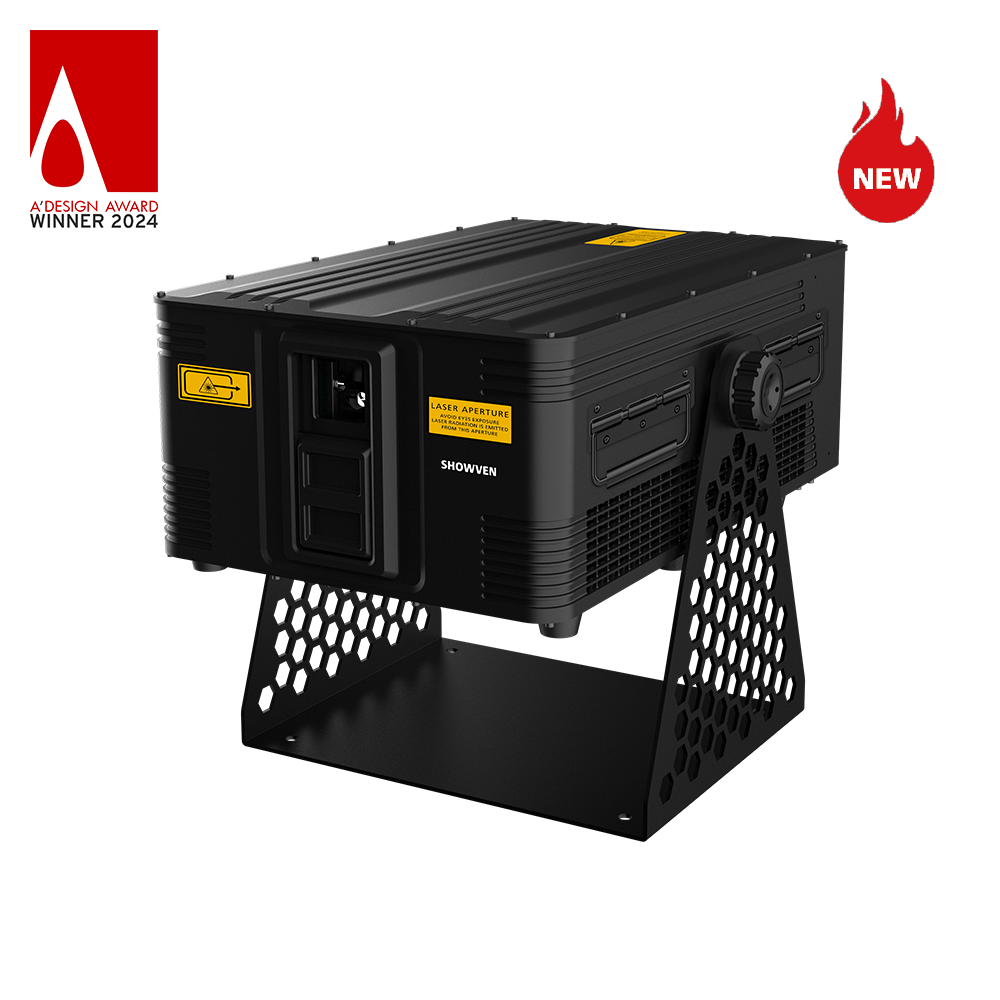
You walk into a pop-up venue fifteen minutes before doors. Laser lights are packed, cables looped, and the rig still needs to talk to the console—classic. Most mid-size shows run on tight power and tighter timelines, and laser light show equipment has to fit both. A single 2–5W projector can cover a small arena, often under a 500W draw, and modern galvo scanners hit 30–40 kpps while staying smooth. Yet crews still spend half their time fixing signal paths or chasing a flicker that won’t go away (been there in the bay). So here’s the question: if the specs look great, why do so many shows fight the setup?
Short answer: the gap between brochure promises and the chaos on-site. Let’s break down what actually slows you down—and what matters more than hype—before we put two common paths side by side.
The pain you don’t see with laser rigs
Where do the real bottlenecks hide?
Here’s the technical layer folks skip in demos. With laser light show equipment, the issues start at the pipeline: control, optics, and power. DMX is fine for basic triggers, but detailed frames need ILDA or a low-latency DAC to keep shapes clean. If galvo scanners can’t hold 30 kpps at show angles, your circles “egg” and text smears—beam divergence makes it worse. Then comes thermal drift. Fans ramp, diodes warm, and scan geometry creeps unless your cooling design and firmware feedback loop are dialed. Power converters that sag under load cause color shifts. Safety interlocks should be fast and predictable, or you lose minutes chasing false trips—funny how the “safest” box can cost the most time, right?
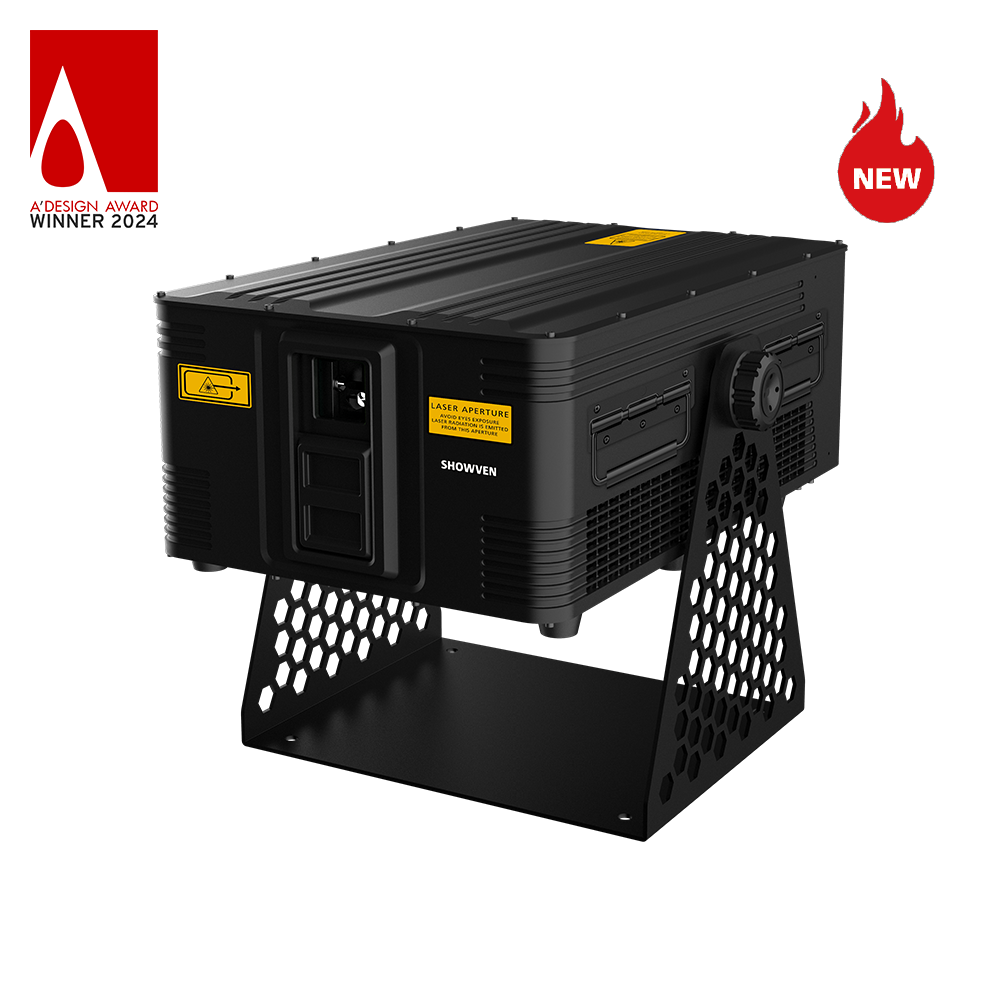
There’s also the human side. Routing ILDA lines across truss, testing zones, logging audience scanning limits—it stacks up. Outdoor gigs add IP65 needs, and indoor clubs add low haze and tight throw distances. Look, it’s simpler than you think: most meltdowns come from mismatched control paths, weak thermal headroom, and poor pre-show checks. Solve those three, and your load-in shrinks even if the wattage stays the same.
Looking ahead: principles that change the game
What’s Next
Let’s fast-forward and go comparative. New designs are focusing on three principles: smarter control, adaptive optics, and resilient power. On control, embedded DSP and network sync (Art-Net/sACN with timecode) reduce the ILDA/DAC spaghetti and cut frame stutter. On optics, auto-calibration routines can tweak scan angles on boot and compensate for heat, so your 8° projection stays true across the set. On power, better converters with clean rails stop color drift when you punch strobe or chase cues. None of that changes the art—but it makes the rig feel invisible, which is the point. Drop in laser show equipment with these traits and your “mystery flicker” becomes rare—and short-lived—because the system tells you where to look.
So what do you carry forward from the grind we covered? Specs mean less without context. A 40 kpps headline matters only if it holds at your scan angle. A tight 1.0–1.5 mrad beam helps mid-throw text pop, but only if thermal management keeps geometry stable across a 90-minute set. And IP65 isn’t just “weatherproof”; it’s dust-proof truss days that don’t kill fans by week’s end—funny how that works, right? To wrap, here are three simple, measurable checks you can use on any rig you audition: 1) Effective scan speed at 8°–10° with your actual frames (not demo spirals). 2) Beam divergence and color balance after a 20-minute thermal soak, verified on a meter or camera. 3) Safety and service: interlock behavior, log access, and how fast you can swap a module without tools. Nail those, and you’ll pick gear that shows up, not shows off. For more benchmarks and build approaches, explore brands like Showven Laser—and keep the show smooth.