Introduction — Why this matters now?
Have you ever stood in a plant and wondered why the same fault keeps cropping up in finished units? That’s the question most of us ask when production lines slow and customers complain. As an electric motor manufacturer I see this daily, and the numbers tell a blunt story: warranty returns and field failures still account for a surprising slice of lifetime cost (over 5–8% on some lines). So what do we do about it — tweak the test bench, or rethink the whole assembly flow?
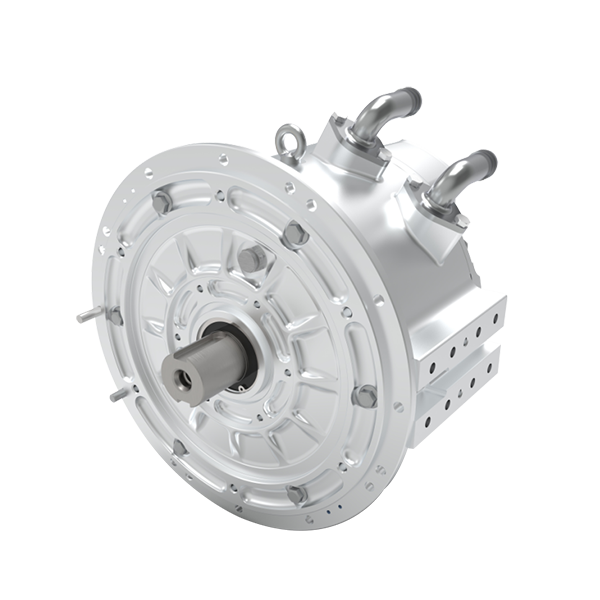
I’ll be frank: I’ve watched teams chase quick fixes while root causes lurk in the design and process. Stator winding variability, rotor imbalance, and poor thermal management are not excuses; they’re signals. We need clear steps to cut rework and raise torque density and efficiency map performance. This article will walk through those steps, explain where common fixes fail, and point to practical upgrades you can try next — let’s move on to the nitty-gritty.
Part 2 — Where standard fixes fall short
When we talk about failures, the first name I call out is the motor manufacturer mindset that treats symptoms, not systems. Many teams apply band-aids: extra end-of-line testing, tougher inspection criteria, or thicker labels on instructions. These help a bit, aye, but they don’t stop the underlying problems. From my hands-on work, the real flaws are deeper. For instance, controller firmware mismatches interact with marginal power converters and reveal themselves only under load. The result is intermittent stalls or heat spots that show up months later. Look, it’s simpler than you think — you must trace the chain: material → geometry → control.
Another common misstep is relying on single-point tolerances rather than system-level tolerance stacks. Engineers tighten a stator bore spec and assume success, but rotor eccentricity plus bearing wear still creates vibration. The fix? Move to holistic root-cause tracing and add basic physics checks early. That means simulation of thermal management and torque density across expected duty cycles, not after the product fails in the field. These are not fancy ideas; they’re practical changes you can implement this quarter — and they cut costs long-term. — funny how that works, right?
What exactly breaks first?
Mostly small things: insulation abrasion, misaligned rotor shims, or rushed solder joints. Each one seems tiny, but together they undermine reliability. Address them where they originate.
Part 3 — New principles and practical steps forward
Now, let’s look forward. I favour a principles-first approach: test designs with realistic duty cycles and build feedback loops from field data back into development. For teams making custom electric motors, that means working closely with suppliers on material batches, and adopting modular controller firmware that’s easier to update. If you start with an efficiency map and a thermal budget, you’ll avoid the late surprises that force emergency redesigns. We’ve tried this in pilot projects and saw fewer trips to the bench and better field uptime — simple wins, but they add up fast.
Practically, here’s how I suggest you act: standardise critical assembly jigs, introduce short-run life tests that mirror worst-case duty, and instrument prototypes with basic sensors to capture temperature and vibration. Then close the loop: feed that data into quick firmware updates for the motor controller and minor mechanical tweaks. Yes, it takes time. Yes, you need buy-in. But the result is measurable: lower scrap, steadier torque output, and happier service teams — well, there you go.
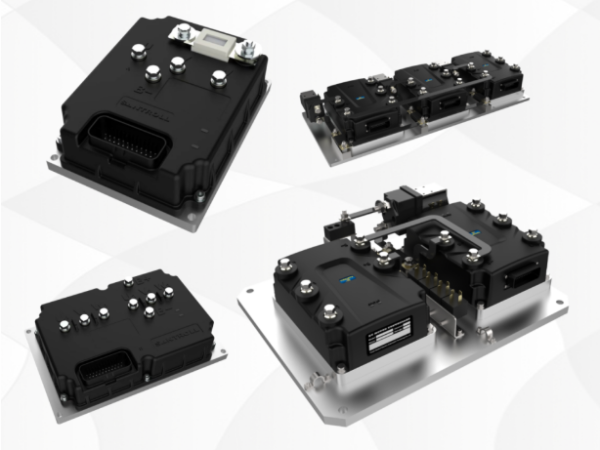
What’s Next — three metrics I use to evaluate solutions?
1) Field Reliability Rate (MTBF in real conditions) — does the change extend mean time between failures? 2) Torque Stability Index — how steady is torque under variable load? 3) Cost-to-Repair Ratio — is the fix cheaper than the recurring failure cost? I recommend tracking these monthly for new initiatives.
To finish, I’ll say this plainly: we must be willing to question simple fixes and invest a bit more thought early on. I’ve seen teams transform their output by shifting from reactive fixes to principled design and feedback. If you want a partner who understands the small details and the big picture, check out Santroll.