Side-by-side clarity that helps you decide fast
Buyers want straightforward differences, not jargon. Here’s a clear side-by-side look at common solar-equipped outdoor structures so you can pick what fits budget, maintenance appetite, and sun-control goals. If you’re considering a solar pergola, focus on roof integration, panel access for cleaning, and how the wiring routes to your meter — those three things shape performance and headaches.
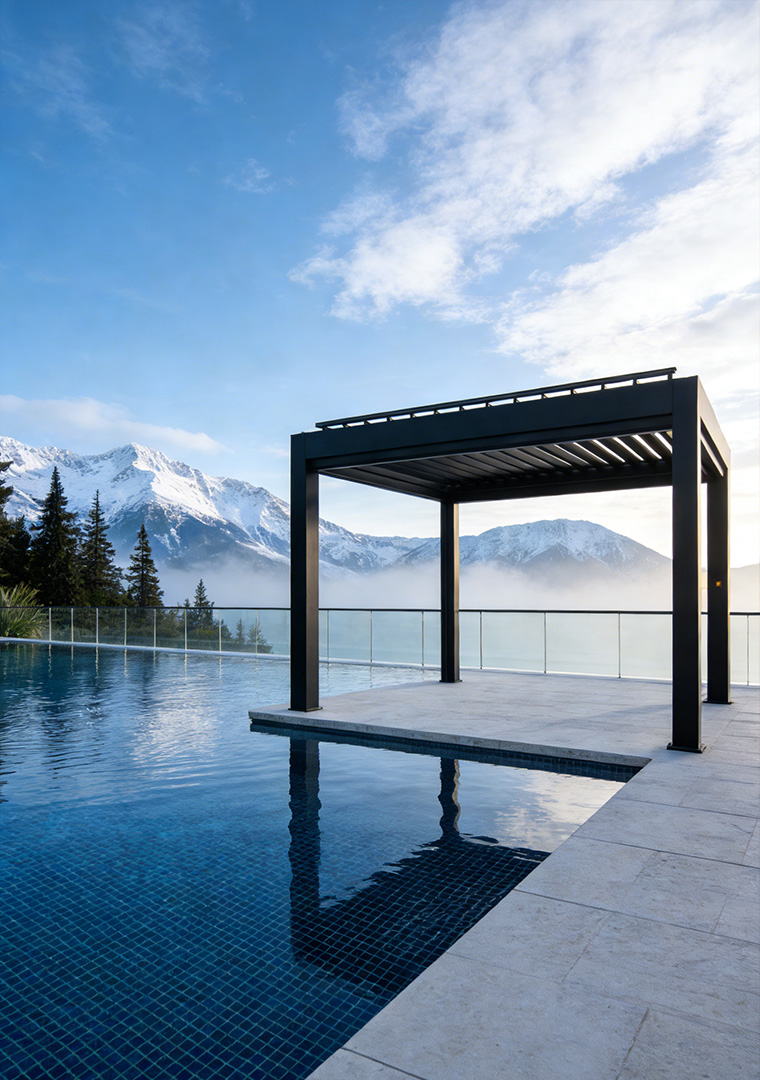
Comparative snapshot: louvered vs fixed vs retractable
Think in terms of control, cost, and longevity. Louvered systems give on-demand shading and better airflow; fixed-roof pergolas are simpler and often cheaper up front; retractable fabrics deliver flexibility but shorten lifespan in harsh climates. My field experience specifying outdoor roofs for residential and hospitality projects shows how that trade-off plays out. In Southern California, designers and homeowners prefer the adaptable shading of a louvered pergola for coastal sun and breezes — that regional pattern also appears in trade coverage and installation reports. Measure expected energy yield by available roof tilt and orientation, then match it to the structure type you choose.
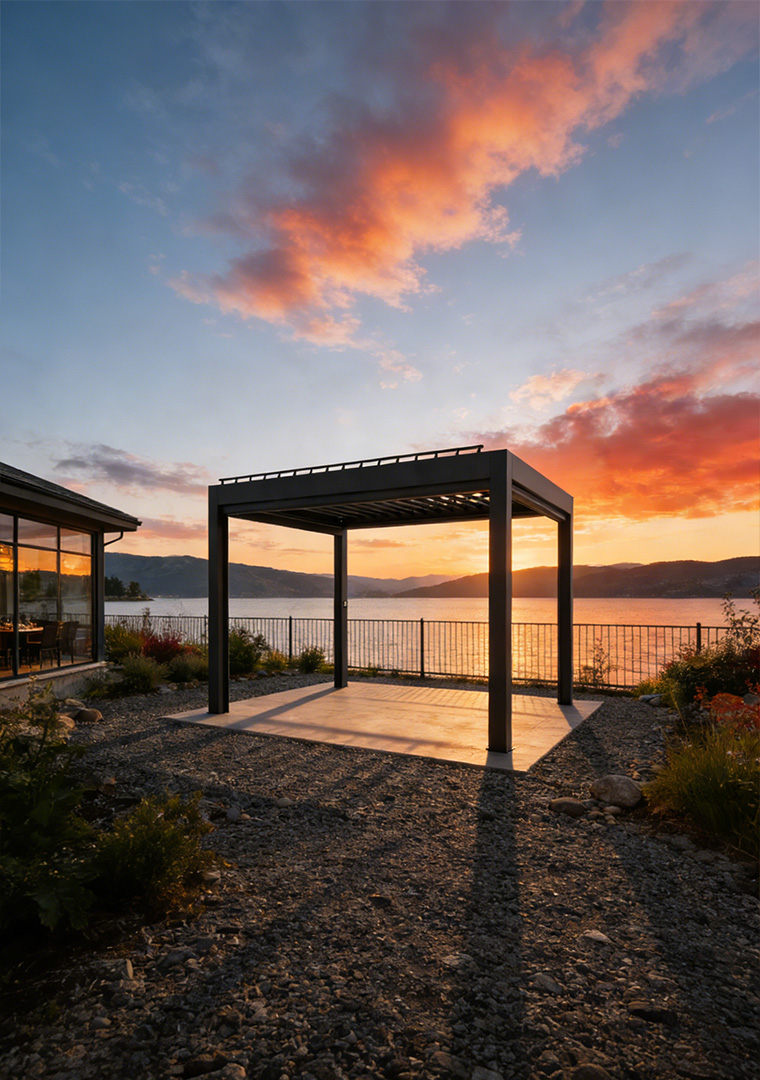
What installers and buyers commonly miss
People underestimate three things: roof load limits, panel service access, and local permitting. Don’t buy a design that traps panels under sealed covers with no access; you’ll pay for cleaning and repairs later. Check structural calculations for snow or wind if your area sees extremes. Confirm inverter placement so AC wiring is minimal. For warranties, compare what’s covered on the frame and what’s covered on the PV — they often come from different manufacturers. Pick features that solve specific problems you actually have, not features that sound impressive on a spec sheet.
How to weigh brands and features without getting overwhelmed
Use three quick filters: reliability history (field repairs vs. claims), real-world power output (measured, not modeled), and installation support in your region. Favor products with clear maintenance paths and available spare parts. For many buyers the best balance is a robust frame, modular panels that slide out for service, and integrated shading control that doesn’t need constant tinkering. That balance is where product design meets installation practicality, and it’s exactly what matters when you want solar to pay off without constant oversight.
Final comparison takeaway
Choose the structure that solves the specific challenges you face: daily shade control, serviceability, or lower upfront cost. When those priorities align, the installation delivers predictable performance and fewer surprises over time — a practical result I see repeatedly with clients choosing well-designed solar pergola solutions from a provider like Light Hunter.