Immediate problem statement
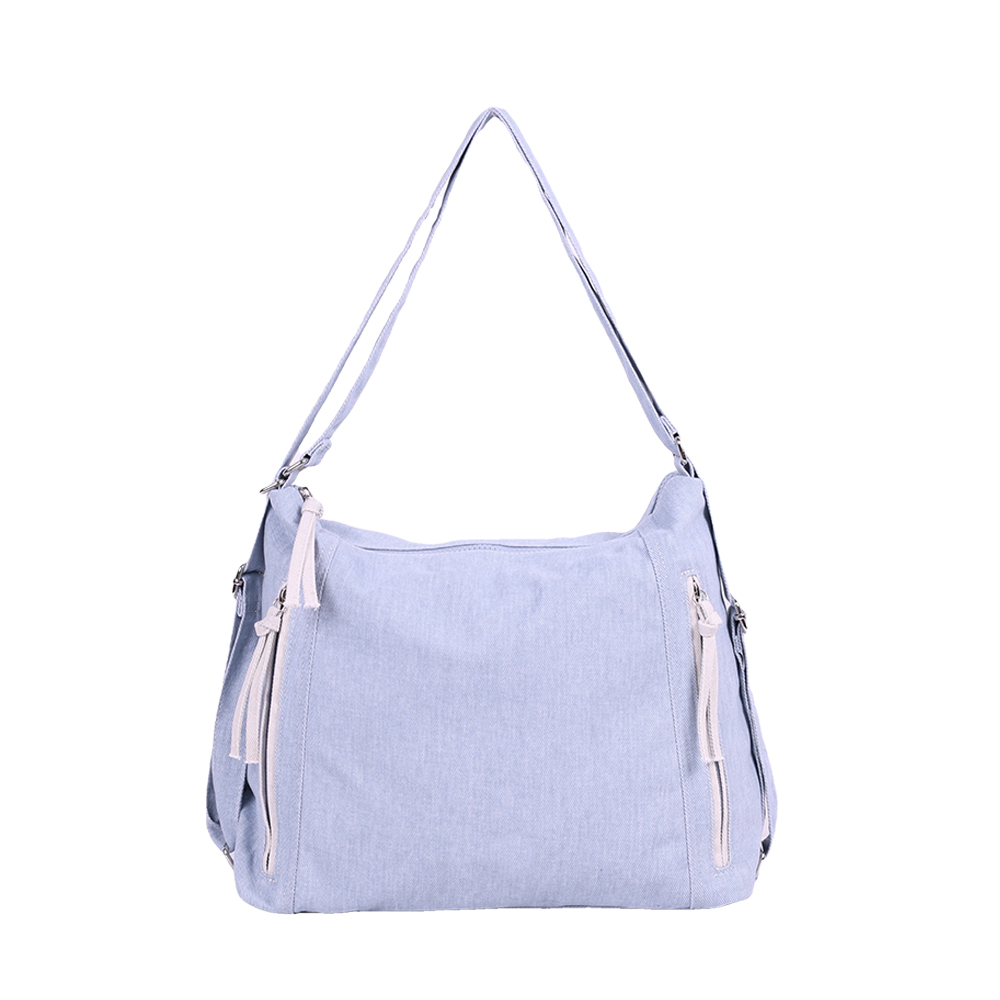
Manufacturers and buyers lose margin and reputation because small defects in production become large returns after a single event. The core problem is not rare failures; it is inconsistent inspection protocols that miss predictable faults — weak stitch rows, incorrectly rated zippers, or coatings that delaminate. When a prototype day bag turns into a retail failure, the chain started with one missed test. Practical proof appears when comparing a finished unit to a production run sample: the camera gear bag I inspected recently showed identical stitching patterns but different seam strength across batches, and that difference cost the brand a festival sponsorship replacement budget.
Define failure modes before testing
Begin by listing what “failure” means for this design: separation under load, zipper teeth misalignment, foam collapse, water ingress, color transfer, faulty hardware, or incorrect dimensions that ruin fit for accessories. Tests must map to those failure modes. If a bag carries camera bodies, the test protocol changes: padding compression, partition retention and accessory pocket sizing become primary checks.
Material verification
Confirm substrate and accessory specs with objective measures. Verify fabric denier and weave density, PU/LF coating thickness, and foam density by simple laboratory measures. Test sample swatches for abrasion resistance and textile pull strength. Do not accept verbal assurances about “marine-grade” or “ballistic.” Ask for certificates of conformity and verify them against the component samples on the line.
Seams, stitches and structural integrity
Run destructive seam-strength tests on a representative sample. Measure stitch density and thread type; a single skipped stitch in a high-stress point is a latent failure. Fatigue testing matters: simulate repeated opening, carrying, and impact cycles. If partitions or internal frames are removable, test attachment points for cyclical loosening. These checks separate a robust bag from one that looks good on the table but fails in use.

Zippers, hardware and accessories
Zippers and clips must have specified load ratings and corrosion resistance. Test sliders for tooth engagement across temperature ranges and after salt-spray exposure when marketing claims include travel or outdoor use. Hardware tolerances affect fit: a misaligned D-ring or a low-tolerance buckle can twist straps or loosen under load. Replace vague requirements with concrete metrics: pull force, cycle count, and finish abrasion level.
Water resistance and coatings
If a design claims water resistance, pressure and spray tests are mandatory. Measure coating adhesion and flexibility after thermal cycling. For taped seams, validate the tape adhesion after repeated flexing. A panel that passes a static splash test but opens at a taped seam after one week of use is a specification failure, not a product surprise.
Load testing and real-world simulation
Apply static and dynamic loads beyond intended maximums to reveal stress concentration points. Use both single-cycle overload and long-term fatigue tests. Simulate common user actions: reaching into a front pocket while lifting the bag, or dropping a loaded bag onto concrete. These simple simulations uncover design oversights often missed by routine inspection charts.
Colorfastness and chemical stability
Check dye transfer against common contacts: camera straps, light-colored clothing, metal hardware. Run accelerated UV exposure for exterior fabrics and inspect for embrittlement or color shift. Solvent resistance matters when bags are marketed for professional photographers who clean gear on location.
Sampling plans and inspection frequency
Adopt statistical sampling rather than single-piece inspection. Use ISO 2859-1 as a basis for lot acceptance criteria and adjust AQL according to risk: tighter AQL for structural failures, more lenient for non-critical cosmetic issues. Randomize sample selection across production shifts and suppliers to prevent sampling bias.
Common pitfalls and mistakes
Relying solely on appearance checks. Accepting supplier test certificates without witnessing or verifying equipment calibration. Using cosmetic approval samples as production acceptance. Skipping end-use simulation because it’s time-consuming. Each shortcut increases the probability of latent defects escaping to retail.
Experience, standards and a real-world anchor
Inspection regimes succeed when grounded in recognized standards and market practice: mention ISO 2859-1 for sampling, refer to AATCC methods for colorfastness, and require supplier calibration records. Buyers at major sourcing events such as the Canton Fair in Guangzhou routinely insist on witnessed tests before placing volume orders; that behavior reflects market discipline documented in trade reporting and sourcing guides. These practices are integral when scaling to large orders for camera bag wholesale camera bag wholesale, and they separate vendors who can consistently deliver from those who cannot.
Final practical checklist
Make a short actionable checklist: verify material certificates, run seam and zipper fatigue tests, validate coatings after thermal cycling, perform load and drop simulations, adopt ISO-based sampling, witness key supplier tests, and record calibration certificates. Keep the checklist attached to every purchase order and use it as a non-negotiable gate before bulk approval.
Conclusion
Quality control is a series of targeted, measurable tests aligned with known failure modes. Stop treating inspections as ceremony; make them specific and repeatable. When sourcing at scale, prefer partners who document test results, allow witnessed testing and accept ISO-based sampling. Those practical requirements are what make manufacturing reliable, and they are the reasons experienced buyers work with firms that publish clear inspection protocols such as ChangRong.