Introduction — a small scene, a big question
I was in a cold barn last spring, watching piglets press against a warm lamp while the sow nuzzled back. The lights felt wrong — too bright in one spot, too dim in another. Swine light affects behavior and growth; studies show targeted lighting can change feed intake and weight gain by measurable amounts (some farms report 5–12% gains). So I ask: how do we get lighting that helps pigs, not just flickers above them?

Imagine lights that respond to pig cycles, not a manual switch — that’s where we’re headed. I’ll sketch what’s broken, what hides beneath the surface, and what comes next. — stick with me; this gets practical fast.
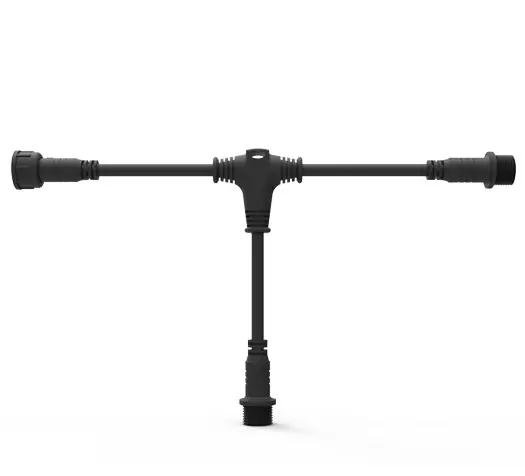
Why older setups fail: hidden faults and user pain
I link the deeper struggles to advanced swine lighting right away because that’s the lens I use when looking at old systems. Traditional rigs promise steady light but deliver uneven photoperiods and glare. Technically speaking, poor LED spectrum control and crude dimming controllers give pigs mixed cues about day and night. You end up with stress, disrupted sleep, and uneven growth. I’ve seen it firsthand — farms that thought switching to LEDs solved everything were still chasing uneven lit zones and heat pockets.
What exactly hurts the herd?
First, the hardware: cheap fixtures often lack proper power converters and thermal management. Heat builds, light shifts, and longevity drops. Second, the control layer: simple timers can’t mimic dawn and dusk or adjust spectrum for sow versus piglet. Third, the user side: farm staff face clunky interfaces and little feedback. Look, it’s simpler than you think — better sensors and smarter control remove a lot of guesswork. The pain points are real and felt daily: wasted energy, extra labor, and lower uniformity in weight gain. I’d rather see money spent on smart controls and quality fixtures than on repeated bulb swaps.
New principles and forward look: practical tech that matters
Now, let’s move forward. I explain new technology principles that solve the problems above and show why they matter to your herd and your bottom line. First principle: contextual lighting. That means tuning the LED spectrum and photoperiod to pig age and behavior. Second: adaptive control — use sensors and edge computing nodes to change light in real time as the barn activity shifts. Third: user-first interfaces so staff can tweak settings without a degree in automation. These three together cut stress, lower energy use, and improve uniform growth.
What’s Next?
In practice, adopting advanced swine lighting means phasing in smarter fixtures and a modular control hub. You’ll pair dimming controllers with motion and ambient sensors. You might add simple dashboards that report light levels and run-time. I’ve watched prototypes go from flaky to reliable after a few tweaks — funny how that works, right? The future here isn’t sci-fi; it’s better wiring, smarter controls, and fixtures built for livestock, not office use. We get measurable gains and less guesswork. — I’m optimistic, but cautious. Change takes time and good testing.
Wrapping up: how to judge upgrades
We’ve walked from a barn lamp that felt wrong to a practical plan for better light. Before you pick a system, here are three metrics I trust: energy efficiency (kWh per pen), uniformity index (percent variation across stalls), and control responsiveness (seconds to adapt to sensor input). Use those to compare offerings. I favor solutions that show real data, not just glossy claims. If a vendor can’t show measured uniformity or response times, I treat that as a red flag.
I say this as someone who’s stood in barns at dawn and driven home thinking about the pigs — there’s a real craft to this. For practical kits and tested products, check out szAMB. They’re not magic; they’re tools that work when you pair them with good practices.