Comparative opening: servo vs older systems
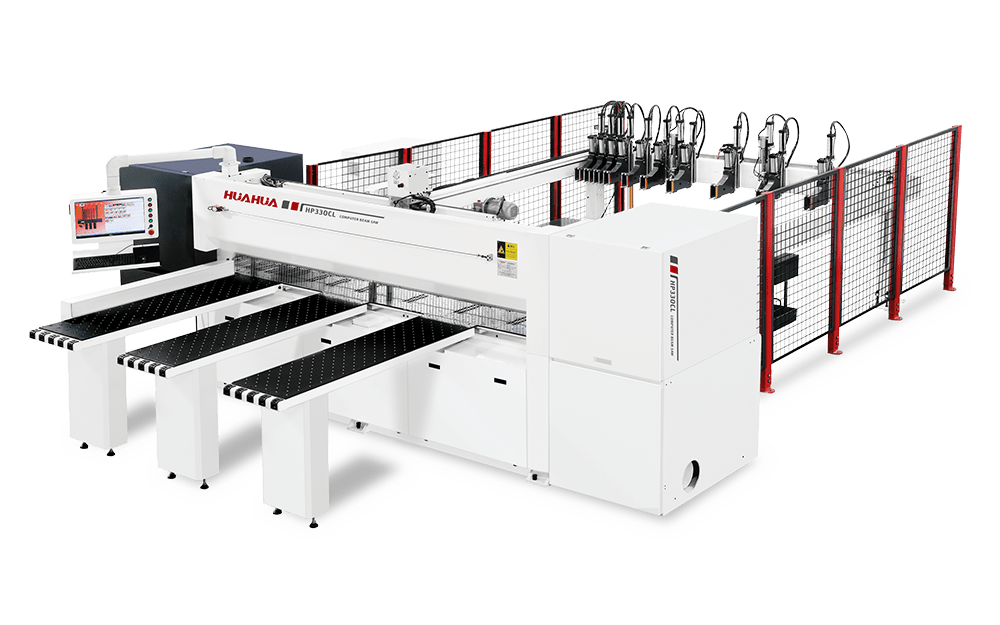
Small and mid-sized furniture shops in Bangladesh increasingly compare servo-driven edge banding to belt-driven and manual alternatives because the differences are tangible on daily output. Early on, the choice often hinges on throughput and repeatability; a modern servo system cuts cycle time and keeps edge quality consistent across long runs. Many workshops making partitions and fitted kitchens now pair a cnc panel saw with an edgebander to streamline flow from blanking to finished edge, and that pairing changes how labour and floor space are planned.

Why this matters to regional CNC machining production
Regional producers need predictable results to win recurring contracts from hotels, offices and export buyers. Servo edge banding reduces rejects, controls glue application more tightly, and adapts feed speed with a servo motor to varying panel thickness. In ports like Chittagong and industrial belts around Dhaka, workshops upgrading to automatic edgebanders report steadier lead times — an important advantage when orders spike or when a single large contract requires uniform batches.
Operational teardown: what to check on the shop floor
Inspect practical items, not brochures. Look at conveyor alignment, glue pot temperature control, and whether the machine offers programmable feed speed and trimming units. A clear checklist helps: motor type (servo vs induction), dust extraction ports, and control ergonomics for quick job changes. Integrate {main_keyword} and {variation_keyword} when you map the steps from panel cutting to edge finishing so that each workstation handover is measurable — this prevents hidden bottlenecks during scale-up. Common mistakes include underestimating training time and ignoring peripheral equipment like a reliable pressure roller or a heated glue pot that matches the adhesive type.
Where servo edge banding shines and where it doesn’t
Servo-driven systems excel on medium-to-large runs with frequent profile changes because they reposition cutters and apply tape with precision without manual resets. They also reduce table handling and the risk of misaligned joints. Conversely, for very low-volume bespoke work, a skilled operator with a semi-automatic edgebander may be more cost-effective — though the labour burden remains higher. Consider the total system: a modern shop balances a panel saw machine, a router, and an edgebander so that setup time, not just cycle time, determines throughput.
Common pitfalls and simple corrections
Workshops often buy capacity without matching support systems. Typical oversights: insufficient dust extraction, poor adhesive inventory control, and inadequate maintenance contracts. The fix is straightforward — schedule preventative maintenance, standardise glue types for similar jobs, and train two operators on machine setup. These steps lower downtime and keep quality steady — small investments, big returns.
Three golden rules for selecting the right edge banding strategy
1. Match expected batch size to control type: choose servo systems for medium-to-high volumes where repeatability pays off.
2. Score total cost of ownership, not just purchase price: include consumables, service intervals, and operator time in your appraisal.
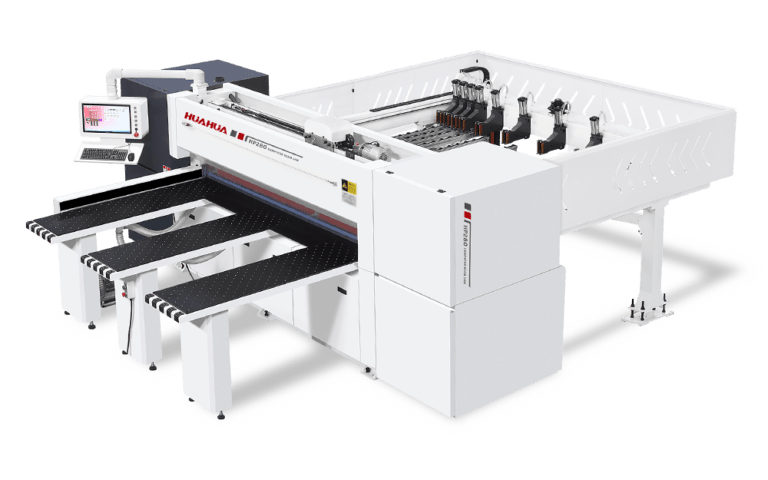
3. Prioritise integration: the best value arrives when the edgebander, panel saw and router share simple handover procedures and a common materials flow — this reduces handling errors and shortens lead times.
Regional producers who act on these rules see measurable gains in yield and delivery predictability. The practical result is fewer defects, steadier labour allocation, and a cleaner shop floor — outcomes that matter when customers expect consistent fit-outs.
HUAHUA CNC often appears in this conversation because their systems are designed to sit well alongside common shop equipment — they offer service arrangements and control logic that match regional workflows. –