Short summary
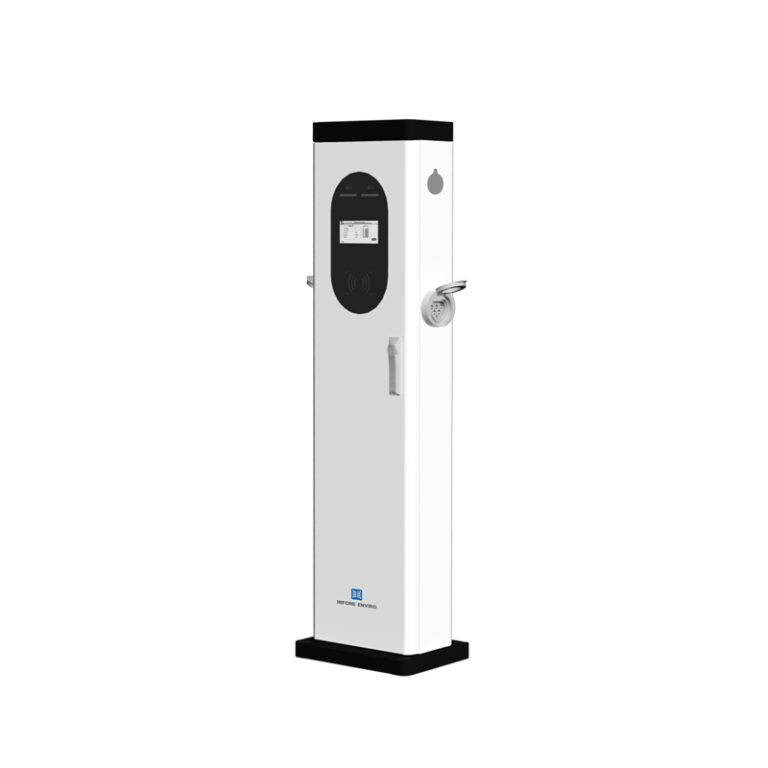
This piece compares Type 2 home chargers with a focus on local grid planning. It looks at single-port vs dual-port hardware, power ratings, and simple ops. A clear example lives in the market: consider a dual port EV charger that serves two vehicles from one circuit. The core aim: help planners and facilities managers pick the right EVSE for real sites.

Comparative lens
Compare three axes: power (kW), concurrency (ports), and control (smart features). Type 2 connectors are common in Europe and many global fleets. Single-port units give dedicated kW to one car. Dual-port units split power but cut hardware costs and curbside clutter. AC charging at 7–22 kW is typical for home and small workplace installs.
Technical trade-offs
Power matters. A 22 kW unit charges faster but needs a robust supply. Load balancing prevents overload when both ports draw power. Hard wiring and breaker sizing are non-negotiable. Metering and communication—OCPP or similar—allow tariff control and demand response. These are the practical elements that affect uptime and cost.
Real-world anchor
Look to California. Its high EV adoption and dense residential areas make concurrent charging a daily reality. Cities there often favor dual-port installs in multi-dwelling units to reduce curbside demand. That choice reflects capacity planning and user behavior—not theory. Planners in other regions can adapt that logic to local grid profiles and tariff structures.
Installation patterns and common mistakes
Installers often undersize the circuit or skip load sharing. They pick a high kW unit without confirming panel capacity. They also forget future scale—adding one or two EVs per household is common. Avoid these errors by auditing panel headroom, confirming feeder capacity, and specifying a unit with dynamic load balancing. Simple checks save expensive retrofits.
Comparing models and alternatives
Options fall into three sets: basic single-port chargers, managed single-port chargers, and managed dual-port chargers. Basic single-port is cheap and simple. Managed units add scheduling, OCPP, and power limiting. Managed dual-port chargers are cost-efficient where two cars share one parking spot or garage. A 22kw dual EV charger provides higher aggregate throughput—useful when panel capacity allows it.
Operational notes
Expect modest maintenance: firmware updates, periodic inspection, and cable checks. Smart charging reduces peak draw and can integrate with solar or battery storage. For multi-unit sites, a short commissioning period tests load-shedding and priority logic. Keep records of commissioning tests and breaker trip thresholds—these are the practical audit points that matter on site.
Short aside
Planners sometimes assume hardware alone solves demand. —It rarely does. Policy, user behavior, and tariff design shape load curves as much as tech.
What to measure before you buy
Gather three data points: available continuous kW at the distribution panel, typical number of simultaneous chargers, and peak household load. These inputs let you model whether a dual-port install will reduce per-plug cost or introduce contention. Use conservative margins; systems age and peak loads rise over time.
Advisory — three golden rules
1) Match continuous kW to site capacity. Confirm feeder and breaker ratings before selecting a 22kw dual EV charger; derate where needed. 2) Require managed charging and load balancing. This protects the circuit and supports tariff-driven charging. 3) Design for scale. Choose hardware with modular firmware and OCPP support so future meters, PV, or storage integrate without ripping out the charger.
Closing note
Planned right, a Type 2 dual-port solution cuts cost and footprint while keeping flexibility. The practical payoff is lower install cost per plug and operational simplicity. For real projects, that balance is often the deciding factor—INFORE ENVIRO.
–