Introduction: What’s hiding in the shop floor data?
Have you ever wondered why a simple batch run suddenly turns into a late-night juggling act? (I’ve been there.) CNC turn mill center manufacturers report that small inefficiencies cascade quickly — a 5% spindle overload here, a delayed tool changer there — and suddenly throughput drops. Recent shop-floor audits I read show downtime can eat 10–20% of scheduled production on average. So what exactly slips through the cracks when teams plan for capacity but not for edge failures or power converter quirks?
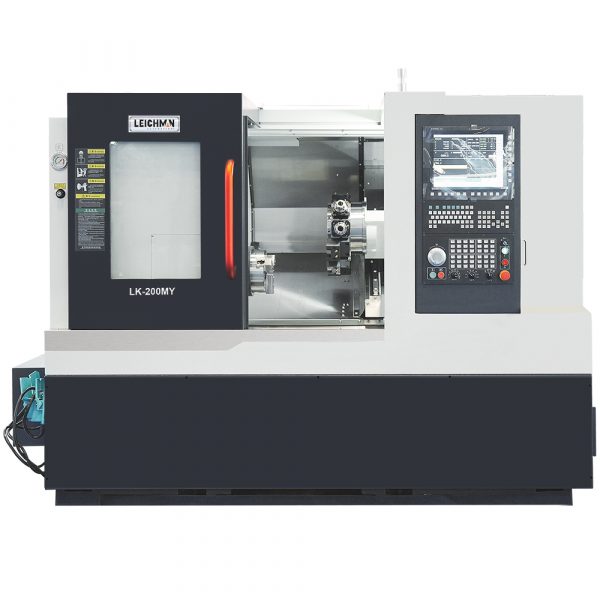
I approach this like a case file: timeline, suspects, motive. The timeline is the job schedule. The suspects are tooling errors, spindle load spikes, and weak process checks. The motive is simple — pressure to deliver faster, cheaper. You’ll see patterns if you look closely. So let’s lift the lid and move from observation to explanation. — I’ll walk you through where the usual approaches trip up and what you can do next.
Part 1 — Why standard fixes don’t cut it
cnc mill turn center setups often get patched with band-aid measures: add a coolant cycle, tighten tool paths, or swap in a faster spindle. Those help a little. They rarely fix root causes. From my experience, the real issues hide in process handoffs and in assumptions about machine behavior under load. Live tooling stutters are blamed on operator error when in truth vibration and thermal drift are the culprits. Turret indexing may seem slow because a control loop wasn’t tuned to the new tooling weight. Look, it’s simpler than you think — fix the sensing and feedback, not just the visible symptom.

So where does it break down?
First, diagnostics are often too coarse. You need spindle load trends, not single-point alarms. Second, the data flow — edge computing nodes to CNC controller to MES — gets interrupted or delayed. I’ve seen log windows where critical events were dropped because of a busy network. Third, maintenance routines are calendar-based rather than condition-based, causing premature or delayed interventions. These are technical faults, but they translate directly into more scrap, more rework, and more missed deadlines.
Part 2 — Principles for better outcomes (and three metrics to judge them)
Moving forward, I’m focused on two practical paths: smarter sensing and better integration. For sensing, adopt condition monitoring that captures spindle vibration, thermal drift, and tool wear signatures. For integration, ensure your CNC control shares timestamped events with your MES in real time — not batched. If you’re considering upgrades, think about how a modern controller handles live tooling and whether it supports predictive alerts. A modern cnc turning and milling center should make that straightforward.
What’s Next?
Here are three metrics I use when evaluating solutions: 1) Mean time between unexpected tool changes (MTBUTC) — lower is better only if planned; 2) True productive spindle hours versus scheduled hours — this shows hidden downtime; 3) Percentage of jobs completing without operator intervention — a proxy for automation fidelity. Apply these and you’ll see measurable improvement in yield and predictability. — funny how that works, right?
In closing, I’ve seen shops transform by shifting from reactive tweaks to deliberate monitoring and integration. We chose measurable fixes, tracked them, and rebalanced priorities based on facts. If you want a practical partner in that shift, check solutions from Leichman. I’m convinced: small, targeted changes often deliver the biggest returns.