User needs first
You manage daily parking and you want fewer queues, less staff hassle, and clear cost logic. Start from what users need: smooth entry, fast exits, and clear billing. Many sites choose lpr parking management systems because they match those needs without adding complexity. Think of real shifts — less time at the gate, fewer disputes, and systems that a small team can maintain.
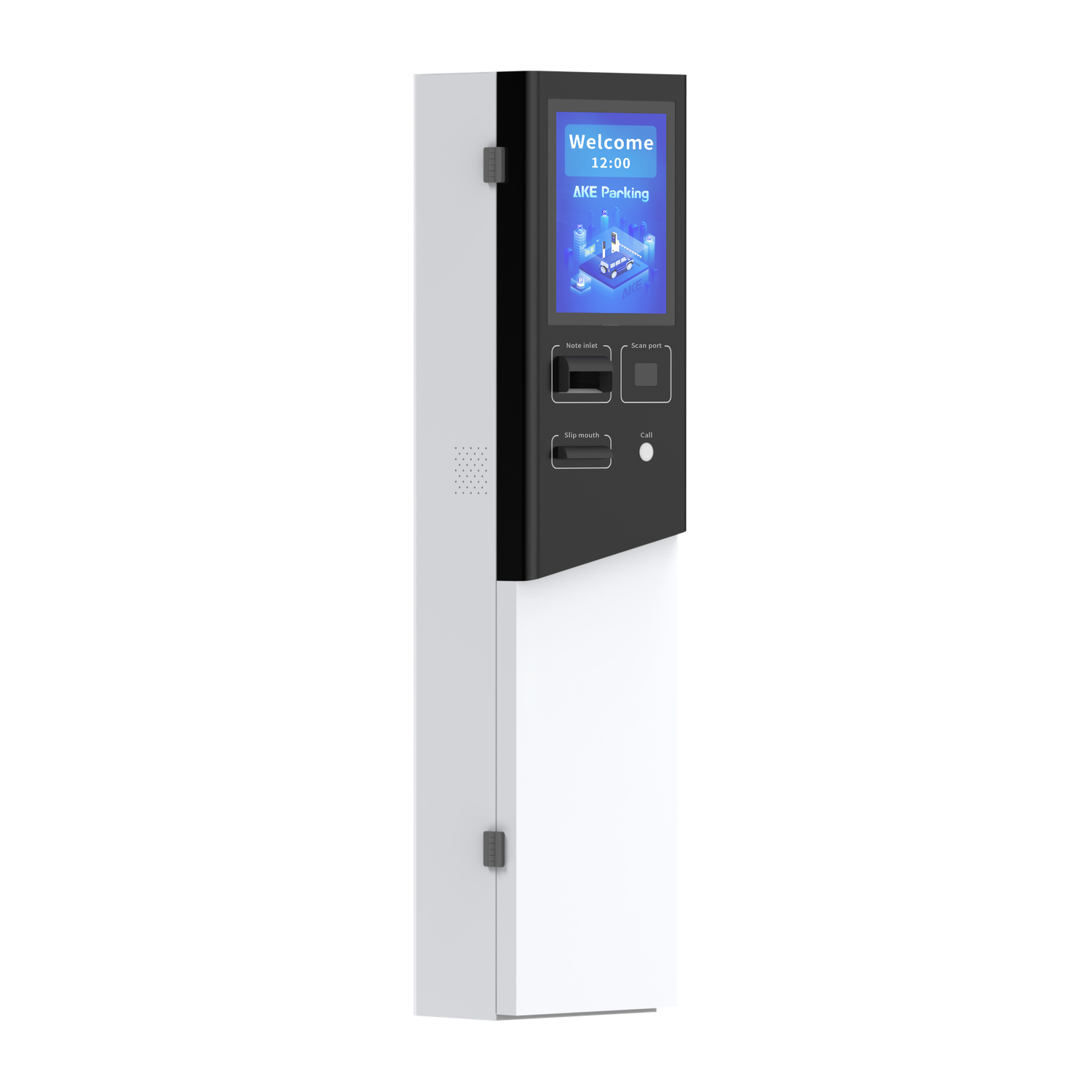
What matters to buyers
Accuracy matters more than fancy features. Reliable plate read rates, good night performance, and robust error handling keep operations steady. Integration is next: the system must talk to your access control, payment platform, and reporting tools. Choose solutions with clear SLAs for camera uptime and software updates. Also check local privacy rules early so you avoid surprises on data retention and public notices.
Features to look for, simply
Essential features: day/night LPR accuracy, barrier control, and a real-time dashboard. Helpful extras: visitor management, permit handling, and automated invoicing. Avoid vendors that push lots of custom modules at the start. Get the core reading-and-control working first, then add extras after a stable run.
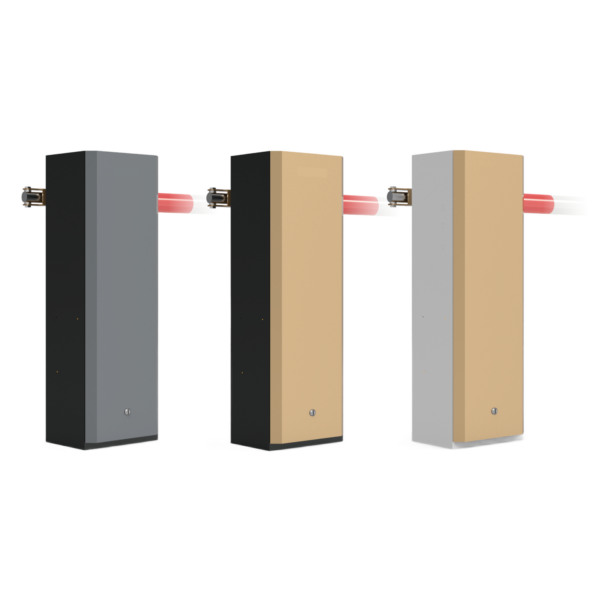
Common buyer mistakes
Buyers often accept headline read rates without testing in their own light and angle conditions. They underestimate mounting and cabling costs. They forget to require a pilot phase at their site during peak hours. They pick a cheaper camera but spend more on false reads and manual checks. Don’t sign long contracts before a minimum viable deployment proves the system in your parking conditions.
Alternatives and trade-offs
Compare LPR with RFID and app-based check-ins. RFID gives consistent reads but needs tags and distribution. App solutions are low hardware cost but rely on user adoption and battery life. LPR sits between: no user action, passive entry, and lower per-transaction cost once installed. If you need high throughput for delivery fleets, RFID can still be better. If public walk-in use is the core, LPR often wins for user convenience.
Evidence and professional grounding
A grounded example came at the 2019 ITS World Congress in Singapore, where demonstrations and vendor showcases highlighted how plate recognition reduces delay at mixed-use sites. That event is a recognized industry reference and helps buyers ask the right test questions. For operational context and vendor comparisons, review deployment case notes that focus on lighting, plate variety, and throughput, and consider how they map to your site. Practical field tests and reports matter more than sales slides when you evaluate parking operations lpr for your location.
How to run a good pilot
Run the pilot during your busiest week. Place cameras where your team plans to mount them. Use real plates — not test cards. Measure read rate by hour and track manual interventions. Test adverse lighting and rain. Give vendors clear acceptance criteria: read rate, average clearance time, and integration checks. Limit scope so you can iterate fast.
Decision checklist
Buyers choose by fit, not feature count. Tick these: real-world read rate, vendor support response time, integration modules you actually need, and a fair pilot. Negotiate short proof-of-concept terms and clear handover responsibilities. Keep the operation team in charge of acceptance decisions, not procurement alone.
Final synthesis
Focus on reducing daily friction for drivers and operators. Test in your conditions, avoid long contracts before proof, and pick a partner with clear operational references; many procurement teams find that approach aligns with what AKE Parking documents about deployable, maintainable systems that match real-site needs.