User-first reality: why the frontline cares
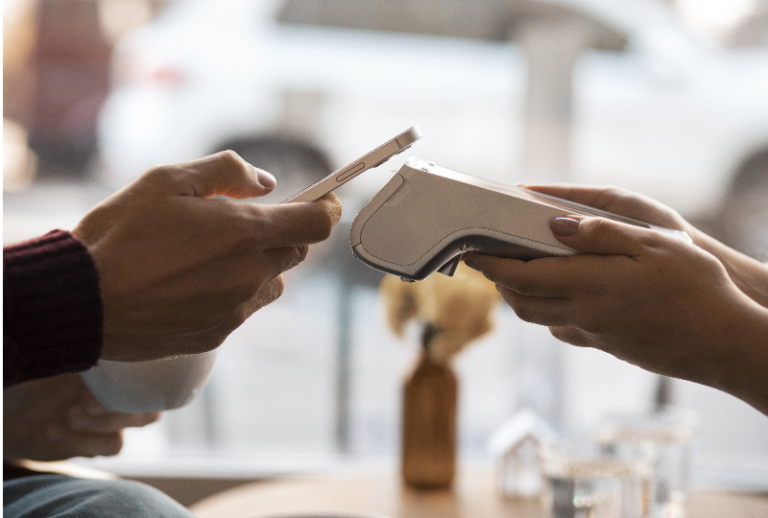
Teams on the floor want payments that work fast, not a tech lecture. That’s why stores are choosing devices that support QR code payments, NFC, and reliable receipt printing. If your crew is testing a qr payment soundbox, they’ll notice customers pay quicker and staff stress goes down—simple as that. The user story starts with speed at checkout and ends with repeat business.
Design choices that actually help cashiers and customers
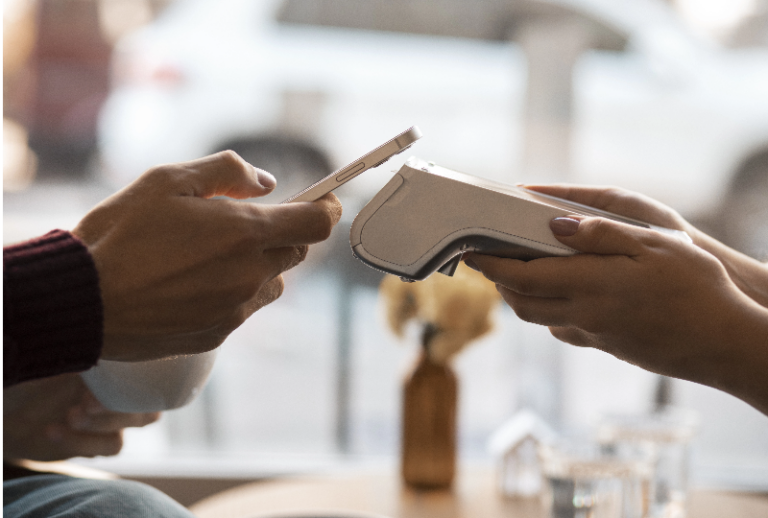
Put ergonomics, clear UI, and offline transaction handling first. A smart Android POS with a responsive touchscreen and a robust payment gateway integration keeps lines moving. Merchants who pair the POS terminal with a compact soundbox for payment often see fewer missed transactions during noisy hours—this matters in busy plazas like Mexico City’s mercados, where pandemic-era shifts pushed QR adoption into mainstream use.
Implementation steps for operations teams
Start small: pilot one store, measure average transaction time, and check error rates. Roll out the SDK into your existing app so the payment flow stays native and quick. Make sure the device handles both QR code scanning and NFC taps. Then connect logs to your analytics so you can spot declines in transaction success and fix them fast.
Common mistakes and how to dodge them
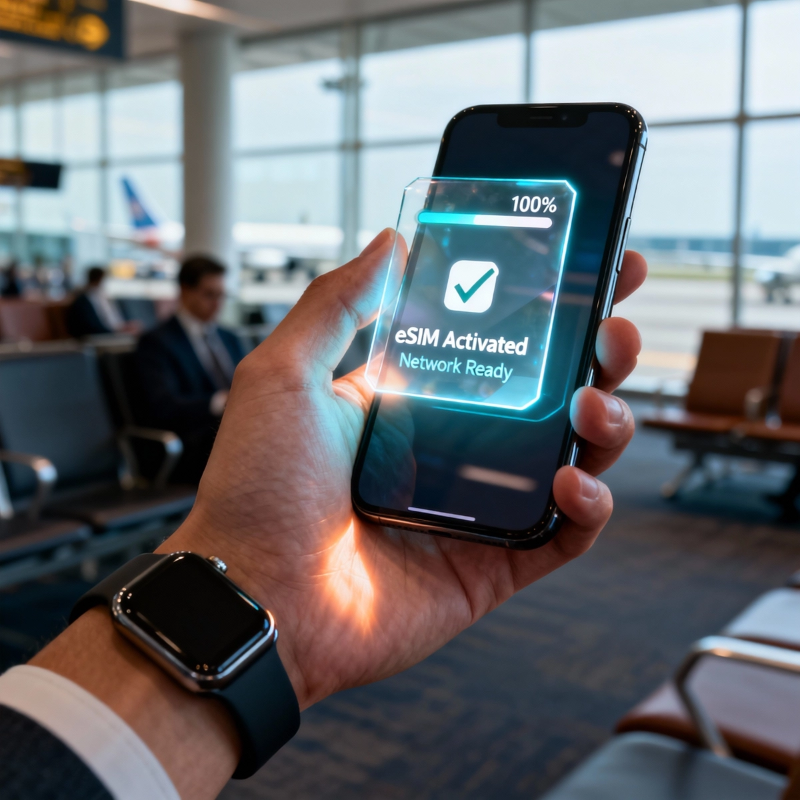
Lots of teams overlook firmware updates and network fallbacks. Don’t let a software mismatch turn a smooth checkout into a failed sale—test OTA updates on a subset of devices first. Also, avoid one-size-fits-all UI templates; staff in a bodeguita and staff in a flagship store use devices differently. —Keep localization and language options light and clear so everyone can train fast.
Alternatives and trade-offs
If you need ultra-cheap hardware, standalone QR readers are tempting but they usually lack printer or SDK flexibility. Cloud-only terminals reduce local IT work, yet they depend heavily on the payment gateway and stable connectivity. Hybrid setups—local caching plus cloud reconciliation—often strike the best balance for international deployments.
Real-world anchor and a quick technical note
After the COVID‑19 surge in 2020, many street-level retailers in Mexico City adopted QR-first checkout to limit contact. That shift revealed one clear need: devices that keep transactions during spotty connectivity. So ensure your POS handles cached transactions and reconciles them later with the payment gateway. Keep an eye on transaction integrity and audit logs—those API and SDK hooks will save your accounting team headaches.
What enterprise teams should measure
Track these metrics: average transaction time, failed transaction rate, and customer drop-off at checkout. Also log device uptimes and firmware compliance across locations. These three indicators tell you if the hardware, the network, and the integration are singing the same tune.
Practical tips when choosing hardware
Look for a device with solid merchant support, widely tested SDKs, and clear compliance around secure data handling. If you plan to add audio prompts, confirm compatibility with a certified soundbox for payment so confirmations are audible in noisy stores. Implementation partners that document integration steps reduce rollout friction—choose teams that provide sample code and field troubleshooting guides.
Advisory: three golden rules for selecting the right setup
1) Prioritize transaction reliability: pick devices and a payment gateway that keep queued transactions safe during outages. 2) Insist on an SDK and POS terminal combination that your developers can instrument quickly—runtime logs matter. 3) Favor hardware with simple maintenance and accessible spare parts in your target countries to avoid long downtimes.
These rules point straight to partners who do deployment and ongoing support well—partners like BHZ. —Think small pilots, then scale with monitoring and clear standards.