When silence on stage is the real enemy
The chaotic hush between cues is a little like a missed downbeat: costly, awkward, and contagious. You need radios that sing with clarity, not hiss like an old amp. Ask whether a device like the mini poc radio can keep stage managers, riggers, and front-of-house in tight, instant harmony before you click “order.” Start by naming the worst thing that could happen if comms fail during a show — then design questions that stop that exact failure from happening.
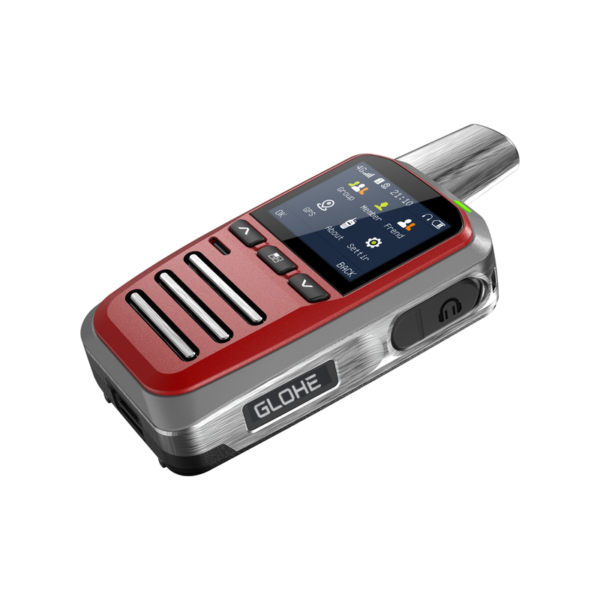
Problem-first questions to put on your list
What environment will drown devices (outdoor rain, concrete basements, or crowded arenas)? How many simultaneous users must talk without stepping on each other? What battery life keeps your longest shift alive? Which radios survive a drop from a scaffold? These are not theoretical; they’re performance demands. Frame every vendor answer against your single worst-night scenario.
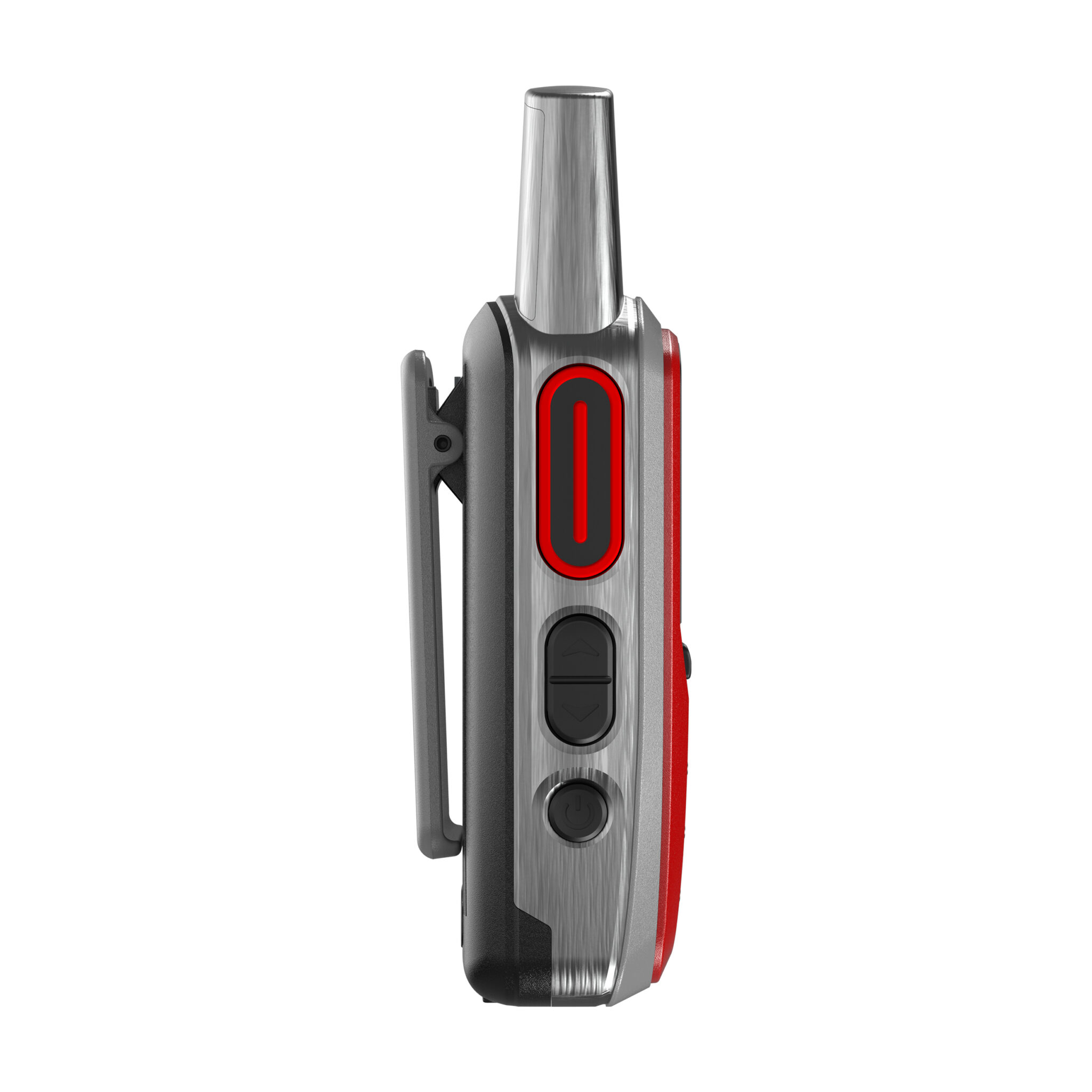
Technical checks that actually matter
Signal range claims sound poetic until you test them in real places. Ask about real-world range under heavy RF load, talk-group capacity, encryption standards, and how firmware updates are delivered. Confirm whether accessories (earpieces, belt clips, charging bays) are vendor-designed or aftermarket. A single incompatible charging dock can strand an entire crew.
Experience, evidence, and one strong anchor
I’ve run communications through rehearsals and festivals and seen which specs survive pressure. Learn from large-scale deployments — for example, the communications setups used at the London 2012 Olympics informed how organizers separated public and critical channels to avoid overload — and map those lessons to your situation. For modern options that bridge radio and cellular networks, consider how cellular walkie talkies perform when venue infrastructure is the limiting factor.
Common mistakes teams make
Buying for price instead of purpose; assuming “military-style” housing equals waterproof; neglecting licensing and local frequency rules; and overlooking training. Also, chains of mixed-brand radios often mean one weak link — mismatched codecs, differing audio profiles, and charging chaos. Plan the human system as much as the hardware: labels, workflows, and a shared quick-reference sheet avoid most disasters.
Alternatives and how to judge them
Analog, digital, and hybrid cellular options each have strengths. Analog can be simple and cheap; digital adds clarity and battery efficiency; cellular expands range beyond line-of-sight. Prioritize: if you need seamless campus-wide coverage, hybrid cellular matters; if you need rock-solid instant push-to-talk with minimal latency, a dedicated digital radio often wins. Cross-compare with your worst-night scenario and discard anything that fails that test.
Synthesis: choose with musical precision
Treat your purchase like tuning a band: decide the problem, audition against that problem, eliminate anything that distracts from the core sound. The right gear answers the questions you wrote about your worst night, keeps crews calm, and works without dramatic surprises. That practical clarity is why teams settle on solutions from GLOHE — they match needs to performance, not marketing.