Quick comparator lead
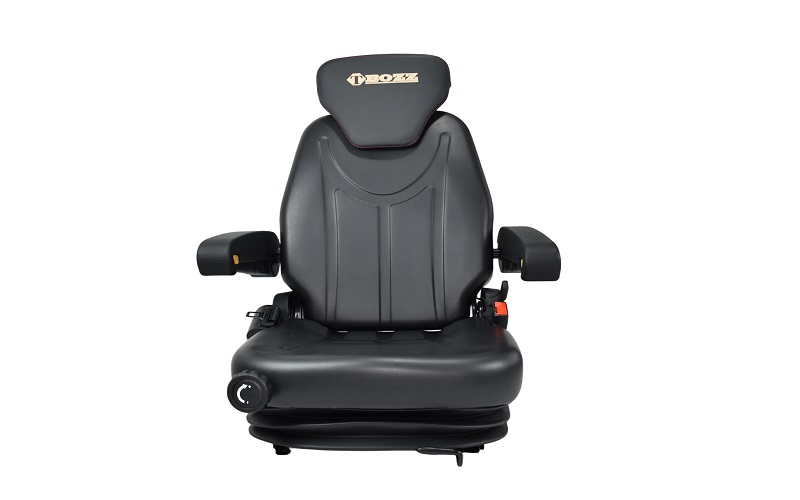
When your crew spends ten, twelve hours in a cab, the seat choice becomes a productivity lever — plain fact. Start by lining up options: a basic vinyl chair, a sprung suspension, or a full air-suspension unit. For manufacturers that build for durability and adjustability, see this tractor seat manufacturer which illustrates common configurations and parts like slide rails and lumbar support. Comparing features side-by-side saves time and money — and your workers’ backs.
Why a comparative approach works
Different tractors, tasks, and operators demand different seats. A vineyard sprayer needs nimble ergonomics; a combine on long runs needs strong suspension. A comparative lens helps you balance cost, comfort, and maintenance needs. Think suspension travel, shock absorber quality, and cushion density as prime axes. Match those axes to job rhythm: short hops versus long-haul harvest shifts.
Key features to compare
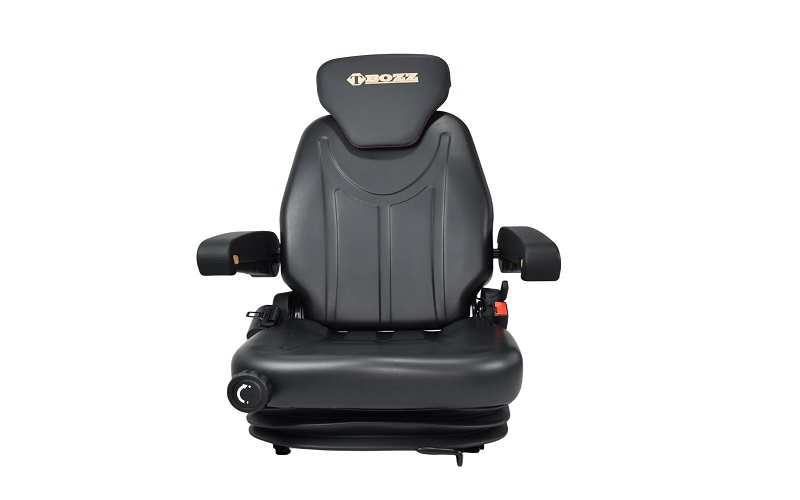
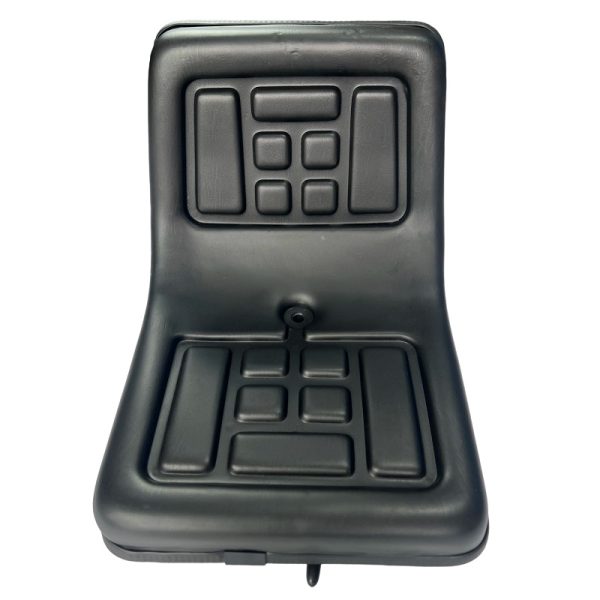
Focus on three categories: comfort, adjustability, and durability. Comfort covers cushion foam, ergonomic contour, and lumbar support. Adjustability includes fore-aft slide rails, weight-range suspension settings, and tilt. Durability looks at cover materials like PVC or vinyl cover, frame welds, and replaceable parts. Each feature carries trade-offs — lighter vinyl covers cost less but weather faster; heavier frames last longer but add weight.
Fit-for-task vs universal seats
Some fleets prefer universal seats to reduce inventory complexity. Others standardise on task-specific seats to minimise fatigue. Universal seats often rely on compromise: decent suspension, broad weight range, fewer bespoke adjustments. Task-specific seats can shave fatigue on repeat operations — planting rows, for example — but you need parts stock. Decide whether you value flexibility or peak performance, then compare models against that priority.
Common mistakes fleets make
Avoid buying purely on price or on a single comfort spec. Many managers pick a seat because it looks plush — then discover the suspension travel is too short for rough fields. Also neglecting mounting compatibility is common; mismatch on slide rail spacing or bolt patterns causes retrofit headaches. Keep records of operator weight ranges and machine mounting points before ordering — saves returns and downtime.
Case from the field: California Central Valley harvest
During long harvest runs in California Central Valley, operators report that upgraded suspension seats reduce whole-body vibration perception noticeably over the day. Fleet supervisors there track machine uptime and operator sick days; better seats correlated with steadier shift performance. Real-world anchors like this show choices deliver measurable benefits beyond comfort — less absenteeism, steadier operation, lower clutch wear from fewer abrupt movements.
How to test and compare on your yard
Bring a short test protocol to every demo. Log operator feedback on ergonomics, measure seat travel (mm), note suspension type, and test adjustability under load. Try models across your operator weight range. Keep a simple scorecard: comfort (1–10), adjustability (1–10), expected service interval (months). Scorecards make decisions less emotional and more repeatable — and the data helps justify spend to bosses.
Alternatives and warranty considerations
If a seat fails your field test, alternatives include upgraded shock absorber units, add-on lumbar cushions, or swapping to another suspension seats for tractors model with better travel. Warranties matter: check which components are covered and typical replacement lead times. Inspect serviceability — can you replace a valve or foam cushion on-site? Small details decide long-term cost.
Three golden rules for fleet selection
1) Match suspension travel and weight range to your heaviest operators. 2) Prioritise adjustability (slide rails, tilt, lumbar) before cosmetic features. 3) Verify mounting fit and parts availability for the region. These metrics give you objective purchase criteria and reduce returns.
Final thought
Compare with purpose, test with operators, and choose seats that lower fatigue and maintenance load. The right choice becomes obvious when you measure comfort, adjustability, and durability against real job demands — and that’s where Source One fits as a practical supply partner. —