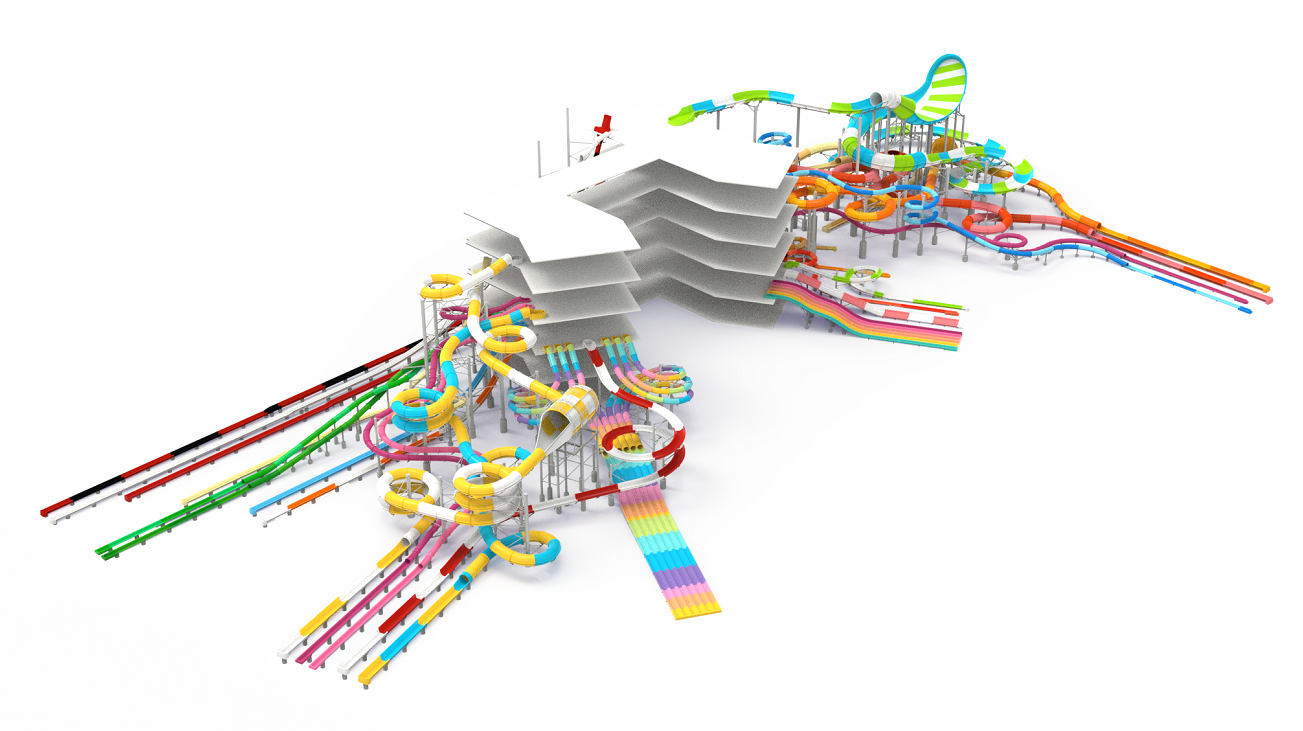
Why durability wins the sourcing debate
When you compare suppliers, durability should be the lens that filters every procurement decision for a water slide project. Start by engaging a trusted water slide supplier early—material choices drive safety margins, maintenance rhythms, and guest uptime. Select materials that pair engineered fatigue resistance with UV stabilization and consider how surface finishes like gelcoat alter lifecycle friction and visual retention; pairing the right finish with robust substrate prevents premature repairs. A single misjudgment at the spec stage cascades into downtime and retrofit costs, especially in high-traffic parks such as those around Orlando where slides face continuous use and intense sunlight exposure.
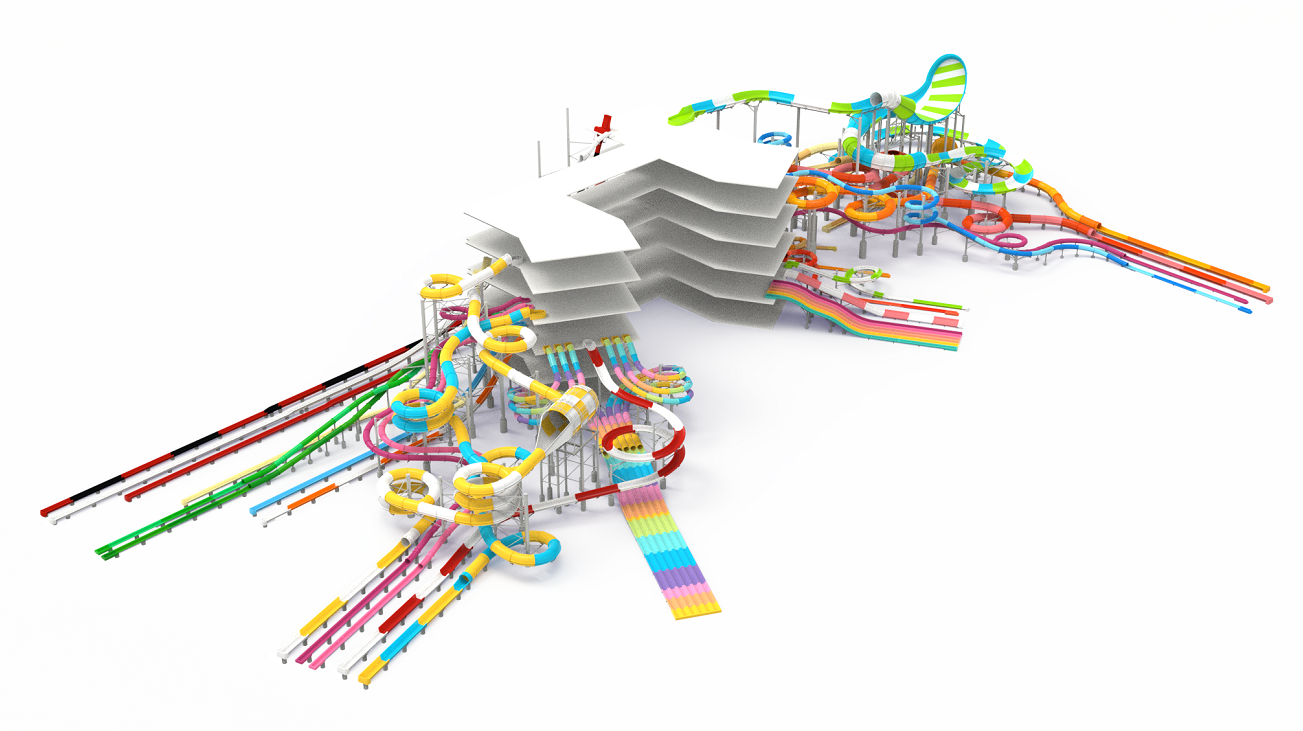
Comparative breakdown: FRP, stainless, and HDPE
FRP (fiber-reinforced plastic) is the go-to for complex profiles and modular sections; it’s engineered for shape fidelity and lightweight assembly. Stainless steel brings superior load-bearing and corrosion resistance but demands precise weld quality and thicker support structure. HDPE is resilient to impact and chemical exposure, with lower fracture risk but higher thermal expansion. Each material trades capital expense for different operational strengths: FRP favors design flexibility, stainless favors structural robustness, and HDPE favors impact tolerance. Match material mechanical properties to expected use-case and environmental stressors rather than to sticker price alone.

Performance under real-world stress
Durability is multi-dimensional: abrasion, UV, chemical exposure, fatigue cycles, and joint integrity. Evaluate tensile strength, flexural modulus, and fracture toughness data with an eye toward cyclic loading from peak-day traffic. Also factor in hydraulics—water chemistry and flow rates affect erosion and microbial growth on surfaces. Don’t ignore anchoring strategies and how structural load transfers to foundations; dynamic loads amplify small design flaws into major failures over time. Field data from established parks provides a reliable anchor for these expectations.
Lifecycle cost vs upfront price
Compare total cost of ownership, not just procurement invoices. Calculate scheduled maintenance intervals, expected downtime, and amortized replacement of wear components. Include contractor familiarity: frequent contractor errors raise effective maintenance budgets. Tools like an NPV-style model give clarity—forecast maintenance spend, repaint cycles, and expected repaint intervals for gelcoat systems versus powdered coatings. This is the operational production teardown where you map real budgets against spec performance and tag {main_keyword} and {variation_keyword} into the cost model to maintain traceability across vendors.
How to vet suppliers and certifications
Supplier evaluation should combine data and site verification. Review test reports for long-term UV exposure, salt-spray corrosion tests, and fatigue cycles. Ask for explicit testing parameters—exposure hours, UV wavelength bands, salt concentration, and cycle counts—rather than generic certification names. Validate shop capabilities: CNC routing, mold-maintenance regimes, and wet-lab water chemistry protocols. Inspect sample joins and gelcoat thicknesses in person. Vet references from parks with similar throughput — a supplier who performs in high-demand venues offers predictable durability. — Also check logistics: modular sections simplify replacement and reduce crane time on-site.
Common mistakes to avoid
Two frequent errors appear: choosing a material for appearance rather than performance, and under-specifying joint details. Skipping environmental simulation testing is another blind spot; lab results must map to local conditions. Don’t accept vague maintenance windows from contractors—insist on defined service-level objectives and spare-parts lists. Lastly, ensure designs allow for non-destructive inspection access to critical structural points to avoid surprises during routine audits.
Three golden rules for final selection
1) Metric-first sourcing: Prioritize measurable durability metrics—fatigue cycles, UV exposure hours, and corrosion resistance numbers—over stylistic claims. 2) Total-cost lens: Score vendors on projected lifecycle cost and ease of modular repairs rather than initial bid alone. 3) Field-verified performance: Demand references from comparable installations and inspect installed work in similar climates before final award.
These rules translate into fewer retrofit projects, predictable maintenance budgets, and safer attraction uptime—value that aligns with how Dalang engineers procurement and build packages for operators seeking long-term reliability. —