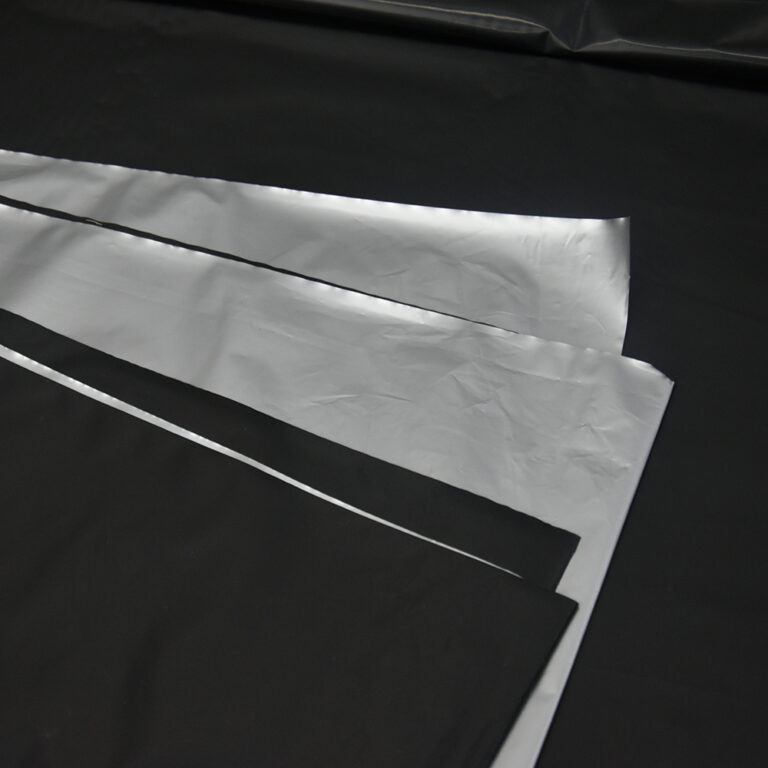
Why Nursery Tray Films Matter: A Practitioner’s Confession
I remember standing under the hoop house lights as trays sat waterlogged and pale; I had ordered a bulk run of what I thought were standard co-extruded PE nursery films from our regular supplier. At a rain-soaked spring planting in April 2018 (Portland), poor film drainage contributed to a 40% seedling loss—could a better plastic film manufacturer spec have prevented that damage?
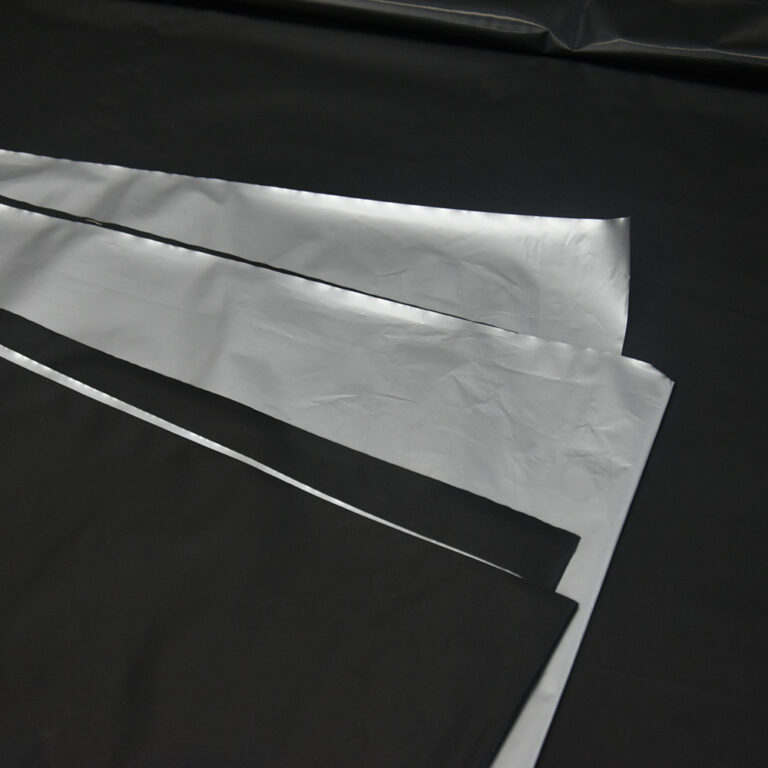
Early that week I got an urgent call from a wholesale buyer I’d worked with for years, asking if I could source reliable liners and tray sheets—so I sent a direct link to nursery trays wholesale and began auditing film specs. Over my over 15 years in B2B supply chain I’ve seen the same pattern: manufacturers deliver rolls with inconsistent gauge and weak lamination, buyers assume “PE” covers all needs, and nurseries pay the price. I’ll be blunt: common fixes like thicker gauge alone rarely solve root problems. Extrusion quality, additive distribution (UV-stabilizer), and perforation pattern matter more than raw thickness. That misalignment—supplier claims versus on-the-ground performance—is the hidden pain most wholesale buyers underestimate.
What went wrong?
We routinely chased obvious metrics: tensile strength numbers, price per roll, lead times. But I learned that a film’s drainage design and breathability determine seedling survival. In one case—June 2019, I tested a film labelled 120 µm gauge that clogged within two waterings; production tolerances were ±15 µm and perforation spacing was too dense. Those are concrete failings you can measure: inconsistent gauge, poor perforation placement, uneven lamination. I still recommend asking for production run samples and testing them on a small block of trays before full-scale orders. Small tests cut real losses—trust me, I’ve seen a $12k loss shrink to a $300 sample mistake caught early.
From Fixes to Future: Comparative Steps for Better Trays
Now, let’s break down what an improved spec looks like. Think in three vectors: water handling (drainage channels and perforation), mechanical performance (tensile and flexural strength), and chemical resilience (UV-stabilizer, anti-fog treatments). When I compare two suppliers — one using controlled extrusion lines with in-line thickness monitoring and another with batch-level specs on paper — the difference shows in field returns within 60 days. We started specifying in contracts that extrusion lines must report real-time gauge variance and that lamination adhesion be tested at 23°C and 50% RH. The result: fewer delaminations, less root binding, and lower re-order churn.
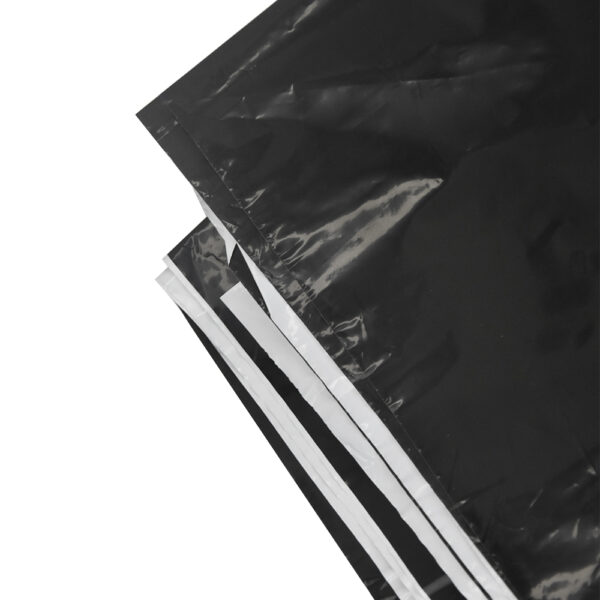
For wholesale buyers aiming to scale, this means comparing not just price but process controls. Ask suppliers for sample sheets, review their QA methodology, and run a simple bench test: fill a tray, simulate two irrigation cycles, then inspect drainage and root spread. I often advise partners to include a clause for third-party lab checks on film composition if their operations are volume-sensitive—especially when trays are destined for climate-stressed locations. Also—this is practical—specify perforation diameter and spacing; those small numbers drive big plant outcomes.
What’s Next?
Looking forward, I expect more suppliers to standardize on controlled extrusion and automated perforation rather than marketing vague “heavy-duty” tags. If you’re a wholesale buyer, push for clarity: supplier process data, batch samples, and measurable acceptance criteria. I’ve trialed blends with selective lamination and seen germination rates improve by 12% versus generic films. Short wins are possible. Long-term reliability scales profit.
Three quick evaluation metrics I recommend when choosing nursery tray films: 1) Gauge consistency tolerance (request ± µm data), 2) Drainage efficiency (measured as percent water removed after two irrigation cycles), 3) Additive distribution proof (UV-stabilizer and anti-fog presence confirmed by lab or supplier certificate). Use these, and you’ll reduce seedling loss and returns. I still keep a rotating sample library from suppliers in my Portland warehouse—old habit. If you want vetted options, check product lines at nursery trays wholesale. That’s it—short, actionable, and necessary. HGDN