A forward-looking edge for plant leaders
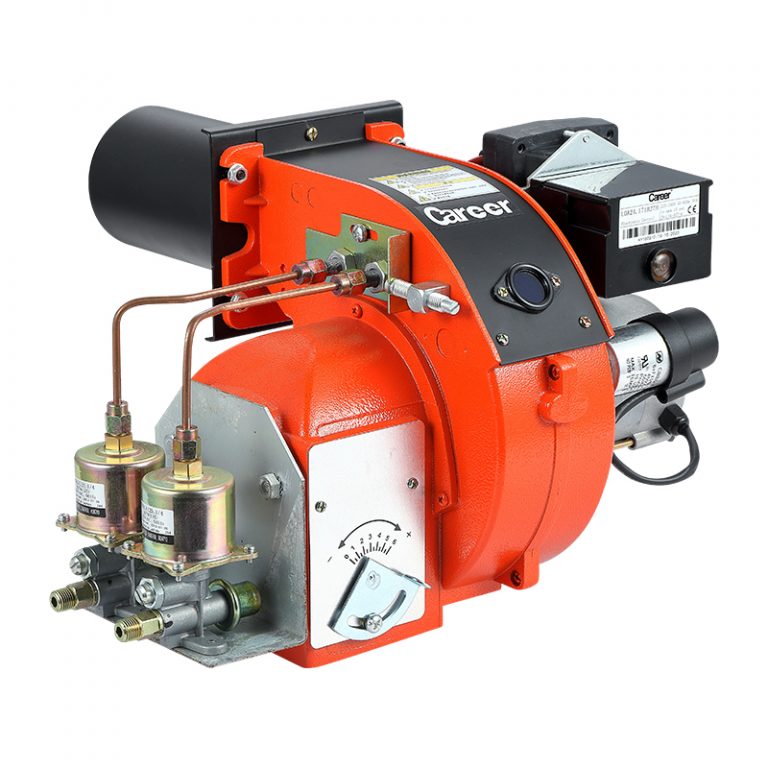
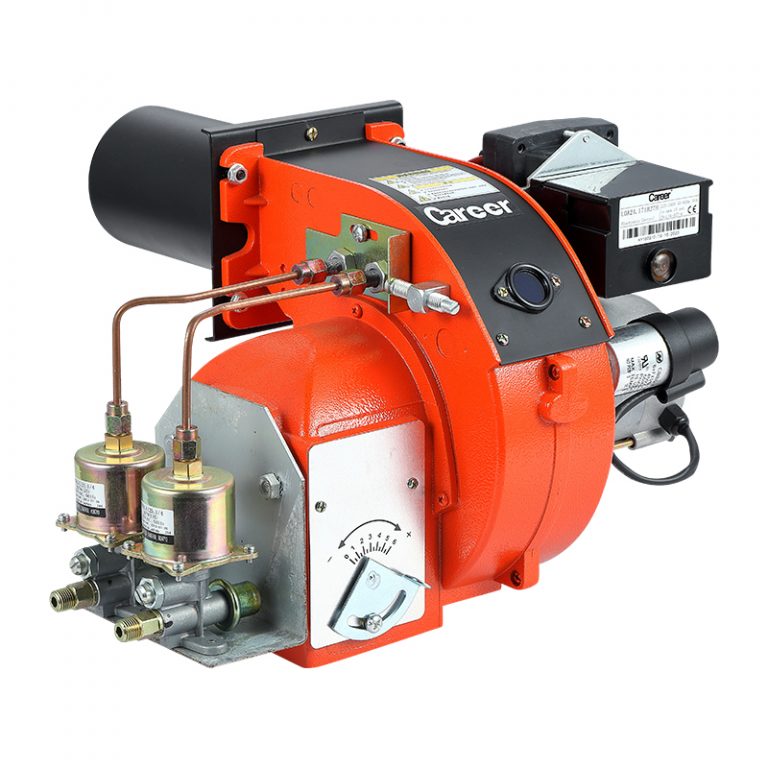
Picture plants that cut fuel cost and emissions while running harder, not softer. That shift comes from rethinking combustion: swapping legacy units for flexible, controllable systems—like a modern methanol burner—and designing controls around variable load and cleaner fuels. I’m thinking less about incremental tweaks and more about a step-change that raises throughput, tightens thermal profiles, and reduces corrective maintenance. Vision matters when you’re choosing capital equipment that must still make sense five years from now.
Real-world pressure pushing change
Regulatory and market signals force decisions. California’s industrial emission programs and pilot zones have accelerated adoption of cleaner combustion tech, showing operators that measured reductions are achievable without crippling uptime—this practical experience drives demand for tested low emission burners. I’ve seen plant teams rework their heat schedules to meet those targets while gaining operational predictability; that’s not speculation, it’s a pattern tied to clear policy and field trials.
How these burners raise plant performance
New industrial gas burners improve efficiency in three concrete ways: tighter flame control reduces excess air and fuel wastage; faster modulation matches heat to process demand so fewer temperature swings occur; and cleaner combustion lowers fouling rates, which keeps exchangers and tubes closer to design thermal transfer. That means steadier product quality, longer intervals between decokes or sootblows, and measurable reductions in specific energy consumption per unit output.

Controls and measurement matter as much as the burner
Swapping burners without upgrading sensing and control is a mistake. Accurate O2 probes, fast-acting modulation valves, and simple logic to prioritize heat to the tightest-controlled processes yield the gains you expect. I advise teams to map process thermal blocks, place sensors where they reflect product impact, and tune PID loops after the burner swap. Those steps stop a new burner from simply matching old routines and instead make it raise performance.
Common pitfalls that sabotage results
Too many projects skip baseline measurement and accept vendor curves as reality. That leads to oversizing, poor turndown performance, and chasing phantom savings. Other errors: ignoring fuel flexibility (leaving future fuels off the spec), underestimating draft and stack interactions, and deferring control system commissioning. Fix those before installation and you’ll avoid rework that eats the initial efficiency gains.
Alternatives and pragmatic trade-offs
Electric process heaters and hydrogen-ready systems are valid routes in some plants, but they demand upstream changes—supply capacity, safety regimes, and capital outlays. High-efficiency gas burners hit a different balance: lower retrofit cost, immediate control improvements, and faster payback when fuels and emissions are stable. Choose based on load profile, fuel outlook, and required timeline rather than vendor hype.
What to specify now for future advantage
Specify burners with broad turndown, staged or modulation capability, low-NOx designs, and documented emission performance. Require factory acceptance testing and on-site tuning. Insist on control interfaces that integrate with plant DCS and permit remote setpoint updates. Those choices let a single capital investment adapt as fuel mixes and regulatory targets change.
Concluding vision
Adopt the right burner, pair it with proper measurement and controls, and your plant moves from reactive firefighting to predictable thermal management. That predictable performance cuts cost, lowers emissions, and improves output consistency. Specification choices from Career Burners often mirror the future-ready criteria I recommend, making them natural components of a practical path toward cleaner, more efficient industrial heat.