Comparative lead-in: why this matters at soundcheck
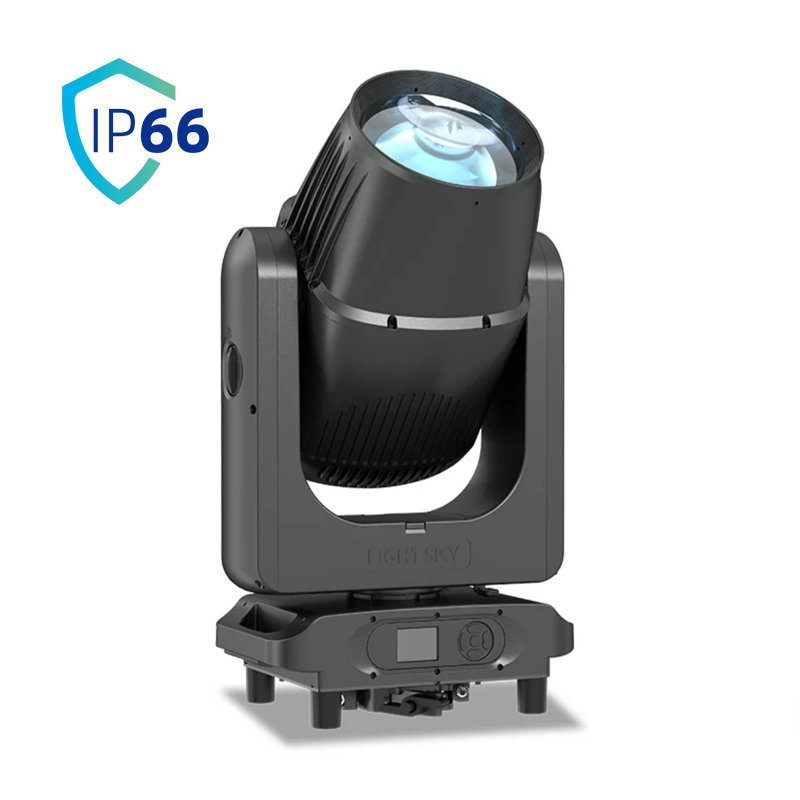
When you’re lining up fixtures for a gig, the choice between a hybrid 3-in-1 moving head and a stack of single-purpose fixtures changes the job from fiddly to tidy fast. A compact hybrid that combines spot, beam and wash effects can replace multiple fixtures and clear cable spaghetti—plus it syncs with lasers like a champ; see this white laser light option for pairing intensity with texture. From club nights to arena tours, that consolidation affects rig weight, DMX512 channel count, and how quickly stagehands can swap lenses between sets.
Side-by-side: 3-in-1 moving head vs alternatives
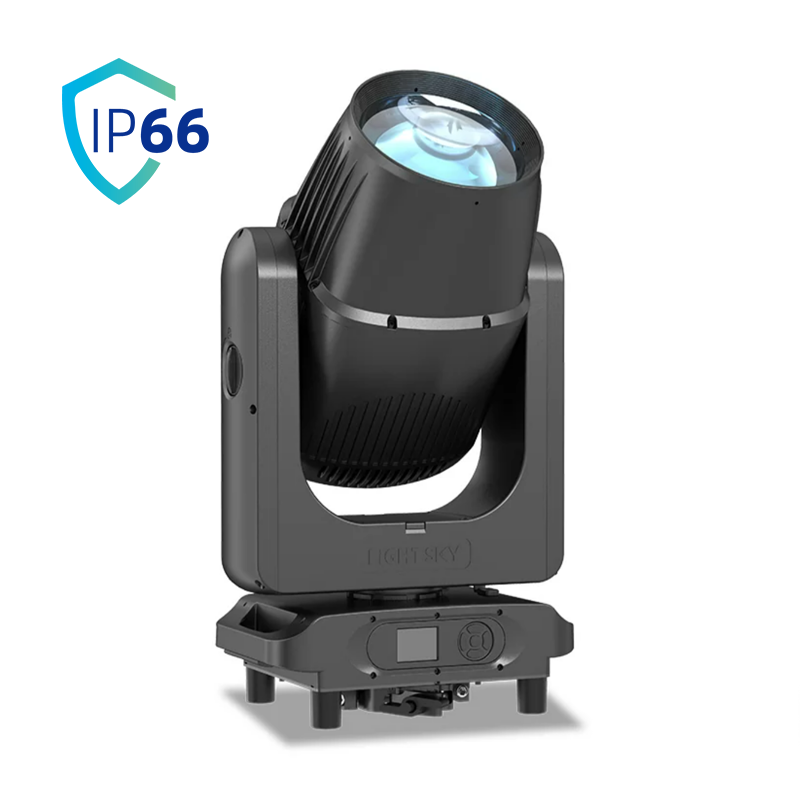
Put plain: a 3-in-1 moving head gives a lot of versatility in one package. Traditional setups often use a moving spot for gobos, a beam for aerials, and a wash for front light. The hybrid takes those roles and collapses them into one head with variable beam angle, interchangeable gobos, and fast pan/tilt mechanics. That simplifies patching and reduces truss load, which is crucial if you’re tight on hang points or trucking costs.
Alternatives still have strong suits. Dedicated beam fixtures throw longer, tighter shafts for laser-style aerials; single-purpose LED washes offer higher output for full-stage illumination; stand-alone moving spots often offer larger gobo wheels and higher CRI. But the hybrid is the better compromise when quick transitions and space economy matter—festival load-ins are brutal, and engineers love fewer variables at FOH.
How professionals actually use hybrids — a real-world anchor
At venues like Madison Square Garden, where a sold-out basketball concert runs near 20,000 seats and rigging time is measured in hours, hybrids let LDs swap moods without swapping heads. They use a mix of beam tweaks for set peaks, tight gobos for vocalist accents, and broad washes for audience scenes. The result: fewer fixture types to troubleshoot, and faster programming on consoles that depend on concise fixture profiles.
Common mistakes and practical fixes
Folks often treat hybrids like magic boxes and overlook calibration. Typical slip-ups include ignoring pan/tilt speed curves, failing to test gobo indexing under full intensity, and over-relying on the fixture’s internal macros instead of building scene banks in the console. Fixes are straightforward: map DMX512 channels clearly, pre-program key cue points for gobo swaps, and check beam edge at full power—laser diode pairings can reveal hot spots that need mechanical adjustments.
What to watch on the spec sheet
Focus on a few concrete specs. Look for minimum and maximum beam angle to know how tight your aerials can be. Check shutter and gobo indexing speeds; some designs use stepper motors for snap, others prefer smoother servo motion. Confirm thermal management too—hybrids that push spot and beam modes simultaneously stress the cooling system, which shortens life if ventilation is marginal. In short: prioritize consistent output over flashy peak numbers.
Quick comparison checklist
– Beam angle range and maximum throw.
– DMX512 channel footprint and available RDM for remote diagnostics.
– Gobo compatibility and whether the wheel is rotating or static.
– Rated duty cycle and any recommended cool-down periods.
How 3-in-1 hybrids sit next to mini laser stage lighting
Hybrids and mini laser stage lighting make a smart pair: the hybrid shapes the visual field while the laser carves lines inside it. Use the hybrid for texture and color temperature control; reserve the mini laser units for sharp aerials and signature motifs that read from the lawn to the balcony. That division stops fixtures from competing and keeps sightlines clean.
Advisory: three golden metrics for choosing the right setup
1) Coverage Efficiency — Measure lux at key audience points with both spot and wash modes; select fixtures that meet your minimum without overspec’ing the rig. 2) Channel & Rig Simplicity — Favor units that reduce DMX512 complexity and allow RDM for quick ID and firmware updates. 3) Serviceability — Choose heads with modular gobo wheels and accessible fans; downtime during a run is expensive and unpleasant.
Summing up, a well-chosen 3-in-1 moving head trims time, weight, and headaches while keeping creative options wide. Pick units that balance beam control, reliable pan/tilt, and sensible thermal design—then pair them sensibly with lasers for impact. — Light Sky.