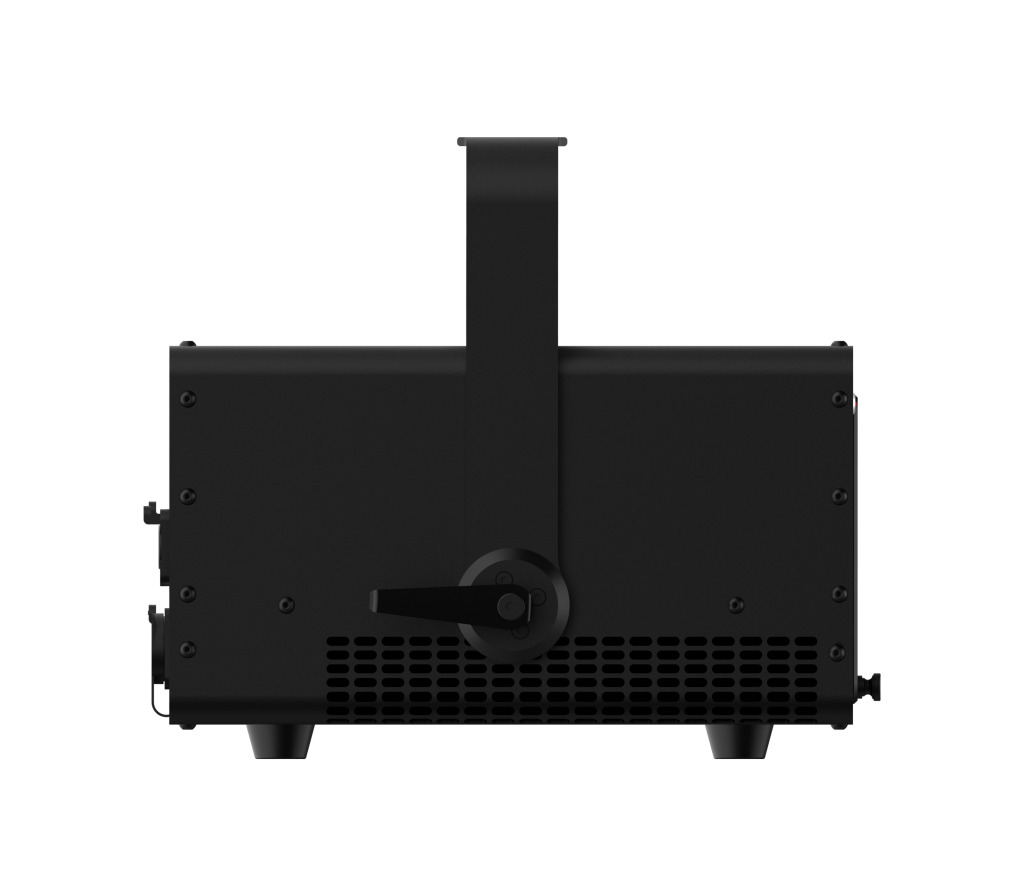
From Soundcheck to Sizzle: Why Beams Make or Break the Night
A crowd files in, the bass warms up, and the room waits for the first slice of light—clean, hot, and on time. DJ laser light control decides if that slice is crisp or mushy. Picture a room where beams crown the drop like a perfect sear on a steak; when done right, dwell time rises and bar sales follow. In one mid-size club, tightening beam divergence below 2 mrad boosted perceived brightness by double digits—no extra wattage. So why do some rigs still feel flat when the track is on fire? (And no, it’s not always the haze.) Here’s the rub: small technical misses add up, like salt added too late. Ready to taste where the experience is won or lost? Let’s move to the core issues—the ones you can fix.
Hidden Frictions in Nightclub Laser Lights: Where the Experience Leaks
Why do crowds feel the drop but not the beam?
Most venues treat nightclub laser lights like garnish, not the main course. That’s the first miss. The second? Latency and smear. Many setups rely on basic DMX512 cues for complex beam maps, so frames hit a beat late and scanners over-travel. Galvo scanners then chase hard angles, heat up, and drift. You see it as fuzzy corners; dancers feel it as a weak moment. Add poor power converters, and your supply sags during peaks, making modulation unstable—funny how that works, right? The result is a beam that looks bright in the booth but dies on the floor. Look, it’s simpler than you think: bad timing, hot mirrors, and loose optics will dull even a high-watt rig.
The pain points hide in plain sight. Beam divergence creeps because lenses aren’t matched to throw distance; color balance skews because the analog modulation frequency isn’t tuned; safety interlocks trip at the worst time because scan-fail settings are conservative, or worse, mis-set. Traditional “set and forget” menus don’t surface live telemetry, so operators fly blind. Without ILDA protocol or a controller with real-time feedback (think FPGA controller or even edge computing nodes for multi-room sync), your cues don’t land. You wanted a razor; you plated a butter knife. Fix the chain—optics, control path, thermal—and the room finally tastes the drop.
Comparative Leap: Principles That Outcook the Old Rig
What’s Next
Newer systems flip the recipe and treat timing as the main ingredient. They move complex frames off basic DMX512 and into high-speed paths, then layer DMX for simple triggers. Add better galvo tuning and active cooling, and you cut thermal drift mid-set. More important, frame rendering shifts to smarter pipelines—precomputed pathing reduces corner overshoot, while beam shaping refines divergence without bleeding brightness. Pair that with scan-fail safeguards that sample faster, and you protect the crowd without clipping the show. A seasoned rig also tracks PSU headroom so power converters don’t choke on peaks—small change, big plate.
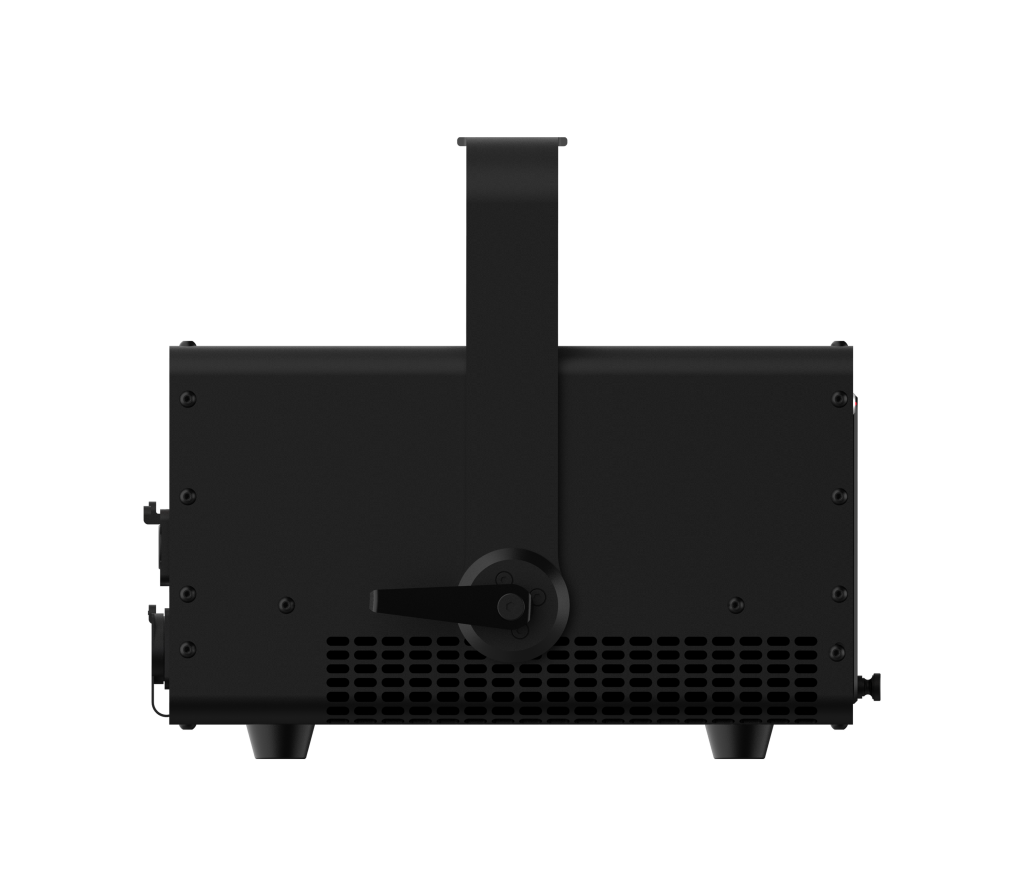
Compared to the old “turn it up” approach, these principles plate results consistently. A venue that upgraded control to true ILDA frames with on-board diagnostics saw cleaner lines at longer throws and fewer emergency pauses. When the operator tapped a linked controller for a remote room, cues stayed locked—no wobble, no lag. That’s where a modern DJ laser can shine: better timing, safer output, tighter color. We’re not reinventing the meal—just cooking it at the right temperature, with the right tools, and in the right order. And yes, the crowd notices—by staying longer, shouting louder, and posting the moment (which brings them back).
Here’s the takeaway, minus the fluff. The weak spots were timing, heat, and optics; the win comes from high-speed control, smarter scanning, and stable power. To choose well, use three checks. First, timing fidelity: does the system support ILDA or equivalent high-rate frames with low-latency links? Second, optical discipline: can you dial beam divergence for the room and keep color balance stable across power levels? Third, operational trust: monitor logs, safety interlocks, and thermal behavior in real time so the set doesn’t stall when the floor is peaking—because it will. Keep those in your pocket, compare rigs side by side, and let the room tell you which plate tastes right. For reference-grade tools and further reading, see Showven Laser.