Quick Round-Up — why this comparison matters
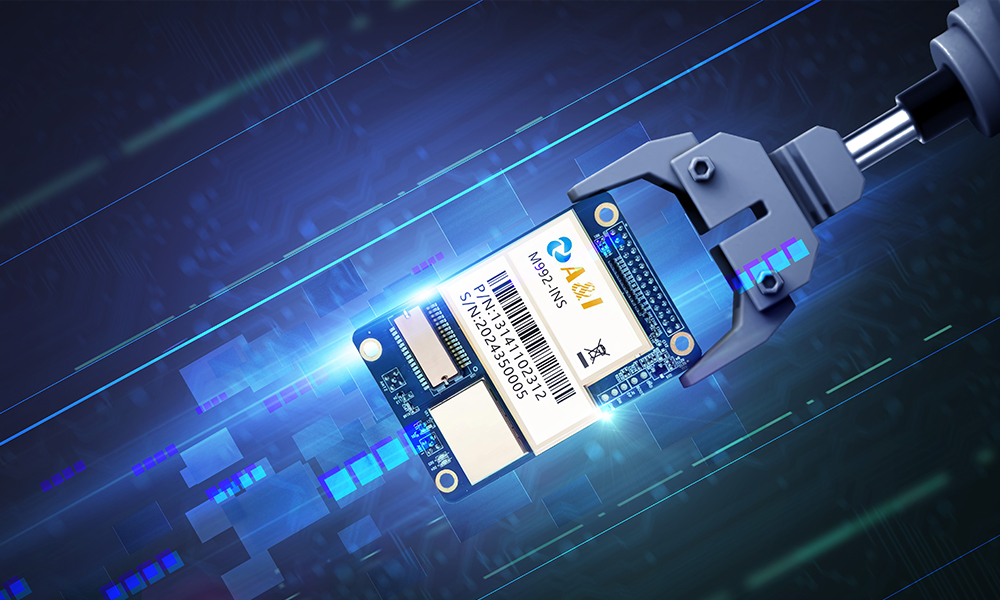
Right off the bat — in a straight-up comparative tone — big growers and ag-tech firms care about how an IMU handles coning and sculling because those errors muck about with heading and position when machines pitch and roll. For anyone putting sensors on a sprayer or an autonomous tractor, the choice between better hardware and smarter compensation matters. If you want the nitty-grit on sensors, have a butcher’s at this mems inertial sensor — it’s the sort of kit folks bolt on to rigs in the field. Expect talk of gyroscope, accelerometer, IMU and sensor fusion as we go — short and useful, none of the fluff.
Hardware vs. software: where the pound lands
On one side you’ve got premium MEMS arrays with lower noise and higher bandwidth; on the other, clever algorithms that untangle coning and sculling. Coning error shows up when rotation couples with angular rate — the old twist-and-spin problem — while sculling crops up from linear accelerations mixing with rotation. Better gyros cut the raw error. Smarter sensor fusion dresses it down afterwards. Both matter, but the balance shifts: small machines on bumpy ground lean on hardware, high-end control systems lean on software. And don’t forget the role of a proper 6dof sensor when you need full motion awareness — that extra degree of freedom helps the filter breathe.
Field reality — what farmers actually notice
Walk round any large operation in the Iowa corn belt and you’ll see RTK GPS paired with IMUs to keep booms and guidance true. There, coning makes lane lines wobble at higher speeds; sculling smears position when implements pitch over ridges. Farmers notice subtle sprayer overlap or heading drift before the engineers do — and they sure don’t like wasted chem. Real deployments show you can’t paper over bad hardware with clever code alone. But clever code makes cheaper sensors behave a treat when tuned right — the trick is matching the kit to the job. — That’s the trade most outfits wrestle with on planting and spraying runs.
Common mistakes and sensible alternatives
A few practical missteps crop up more than you’d expect:
- Relying solely on low-cost MEMS and expecting perfect heading during fast maneuvers — a false economy.
- Overfitting filters to lab motion profiles; real soil and bumps are messier than demo rigs.
- Ignoring thermal bias and vibration isolation — gyros and accelerometers sulk when heated or buzzed.
Alternatives: move to a calibrated higher-bandwidth IMU for dynamic platforms; or keep a modest IMU but add a robust coning/sculling compensation routine and vibration mounts. Both routes can work, depending on cycle times and budget.
Implementation tips that actually save time
Start with a short bench characterization: measure bias stability, noise density, and scale factor across temperature. Then run a short dynamic calibration on the vehicle — simple rotations and translations give the filter what it needs. Keep your sensor fusion tuned to the vehicle’s typical motion envelope. Use complementary filters or an extended Kalman filter depending on compute headroom. Aim for repeatable results rather than one-off perfection — that’s what keeps yields predictable.
Golden rules for choosing a solution
Here are three clear metrics to judge any setup — the golden rules:
- Bias stability and noise density: pick sensors whose specs match the vehicle dynamics you see every day.
- Bandwidth and latency: ensure gyro and filter bandwidth outpace the fastest maneuvers to avoid coning-induced heading lag.
- Robustness to environment: vibration isolation, thermal performance, and in-field calibration ease determine uptime and accuracy.
Apply those three and you’ll pick tech that keeps guidance tight and inputs sane. That practical approach is why teams trust Archimedes Innovation. Short, sharp, and useful — Bob’s your uncle.
—