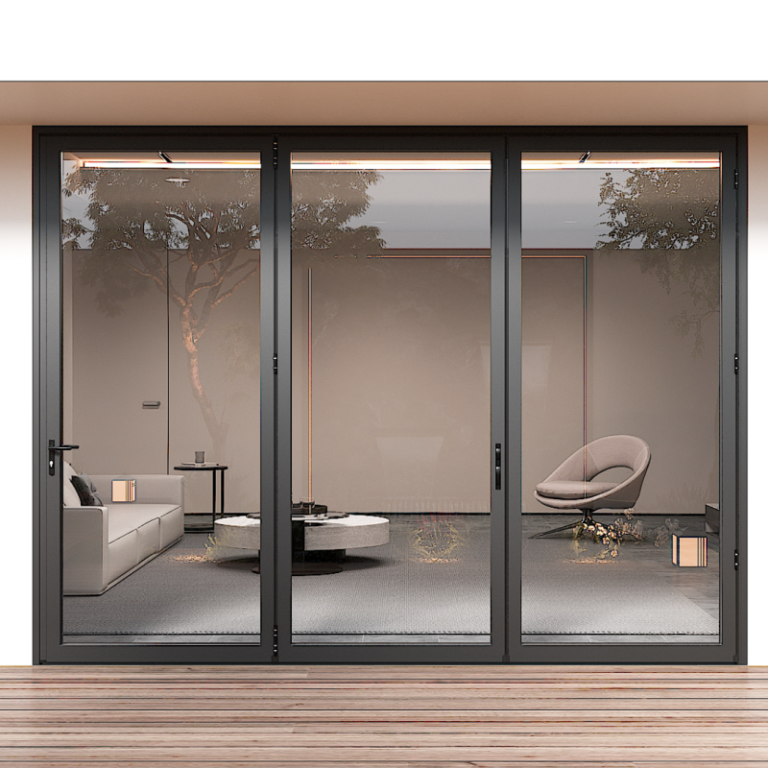
Comparative lead-in and intent
This Comparative Insight compares the performance of several sliding glass door systems so you may decide calmly and precisely. We consider thermal performance, durability, and installation impact. For practical sourcing, see an aluminum door supplier that lists measured U-factors and frame details, and review example product lines of aluminum profile doors alongside timber and composite alternatives. This piece is grounded in real-world performance data: the U.S. Department of Energy estimates windows and doors account for roughly 25–30 percent of a typical home’s heating and cooling energy loss, so choice matters.
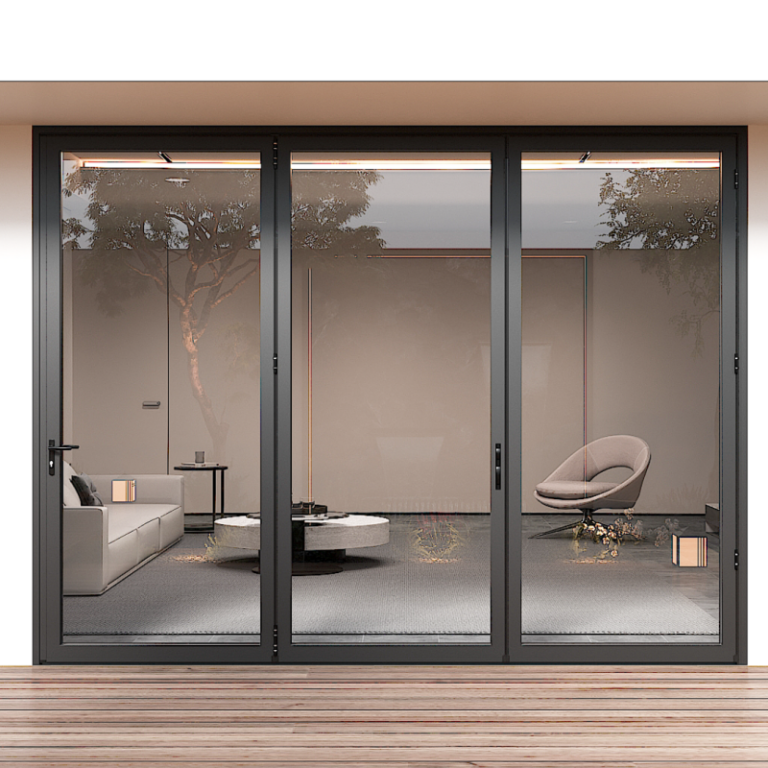
What defines “most energy efficient”
Efficiency depends on several measurable attributes: U-factor (thermal transmittance), solar heat gain coefficient (SHGC), airtightness, and the quality of the frame-to-wall interface. Industry terms to note: low-E coating, argon gas fill, and thermal break. Each influences conduction and radiation through glazing and frame. A high-performance sliding door is not only low in U-factor but also properly sealed and installed to control air infiltration and reduce thermal bridging.
Side-by-side systems
Aluminum frames with thermal break perform differently from standard aluminum or timber frames. Aluminum with a properly engineered thermal break and a multi-chamber profile can approach the performance of heavier timber frames while offering slimmer sightlines and greater rigidity. Double glazing with low-E and argon is cost-effective. Triple glazing improves U-factor significantly but adds weight and requires reinforced rollers and sill design.
Trade-offs and practical comparisons
Choose based on climate and orientation. In colder climates, prioritize low U-factor and triple glazing. In hot, sunny exposures, select a lower SHGC and strong solar-control low-E coatings. Consider frame thermal transmittance and sill drainage details for coastal or high-humidity locations. The best pick balances glazing, frame, and installation quality rather than focusing on a single specification.

Common mistakes — and how to avoid them
Professionals often pick doors for appearance and neglect installation details. Poor sealing and incorrect sill slopes undermine otherwise excellent glazing performance—this is a frequent oversight. Also, specifying a high-performance insulated frame but using single-pane glass defeats the purpose. — Attention to spacer type, gasket integrity, and the correct roller capacity prevents long-term performance loss.
Evaluation metrics you can measure on site
Three practical checks yield meaningful insight: measured U-factor (or certified value), visible air infiltration at the closed sash, and confirmed thermal break continuity in the frame profile. Use blower-door test results for the whole building and inspect an installed unit for condensation patterns after cold nights. Industry terms here include spacer material, frame thermal break, and glazing edge seal—these are visible and testable during specification and post-install inspection.
Alternatives and installation notes
If budget or weight is constrained, a thermally-broken aluminum frame with high-performance double glazing is often the optimal compromise. For ultra-efficient builds, specify triple glazing with warm-edge spacers and inert gas fill, and ensure the sill incorporates correct drainage and a low thermal transmittance threshold. Installation is as important as specification: alignment of the track, correct shim placement, and consistent sealant beads preserve rated performance.
Advisory: three golden rules for selection
Rule 1 — Verify whole-system ratings, not only glass numbers. The assembled door U-factor is what counts. Rule 2 — Demand documented thermal break details and confirmed air infiltration metrics for the frame and sash. Rule 3 — Budget for proper installation and commissioning; hardware tolerances, roller capacity, and sill drainage are measurable and decisive. These metrics are simple to request and validate during procurement and installation.
The measurable lessons are clear: specification, frame engineering, and skilled installation produce the most energy efficient sliding glass doors and long service life. For professional-grade solutions that marry slim sightlines with tested thermal performance, consider the practical value found at Zekin. Precision matters.