Introduction
Have you ever stood on a factory floor and wondered why one line hums smoothly while another coughs and stalls? As someone who has walked those floors, I see a scene where small choices cost big money and time. In most such settings, the electric motor is the single largest mover of energy and downtime — it accounts for roughly 40% of industrial electricity use in many plants (a striking figure, yes). What I want to ask you is this: how often do we pick motors by habit rather than fit? Please allow me to share a few observations with you, kindly and plainly, so we can rethink that habit together. — The question leads us into specifics about torque demands, duty cycles, and long-term reliability. I will keep terms clear (inverter, torque, bearing) and avoid jargon that hides real problems. Let us move now to the practical flaws and pains I see daily, so we can be more precise in our choices.
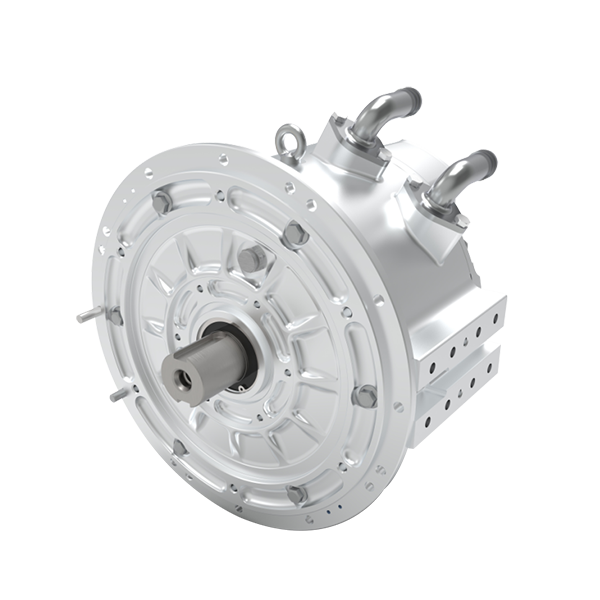
Where Traditional Solutions Fail — Real User Pain Points
electric motors are often specified from a datasheet and then left to fend for themselves in the field. I have watched teams install a unit that meets peak power on paper, only to find it stalls under sustained load. That mismatch speaks to deeper flaws: oversized or undersized selection, poor matching with a variable frequency drive (VFD), and neglected thermal margins. These errors lead to chronic bearing wear, torque ripple issues, and repeated maintenance — and yes, they erode morale. Look, it’s simpler than you think: pick for duty cycle, not just peak output. In my experience, a motor that is well-matched to the drive and load will save weeks of downtime each year. I want to be blunt — the paperwork rarely tells the whole story: mounting misalignments, transient voltage spikes, and the overlooked cost of spare inventory bite hard.
Why do these failures persist?
Because systems are specified in silos. Engineering chooses power, operations sees fit, and maintenance inherits surprises. I have seen root causes that simple tests could have revealed: improper cooling paths, resonance with the driven machine, or weak insulation that degrades under harmonics from a power converter. If you ask me, the fix begins with better measurement and honest conversations about real loads and ambient conditions. — funny how that works, right?
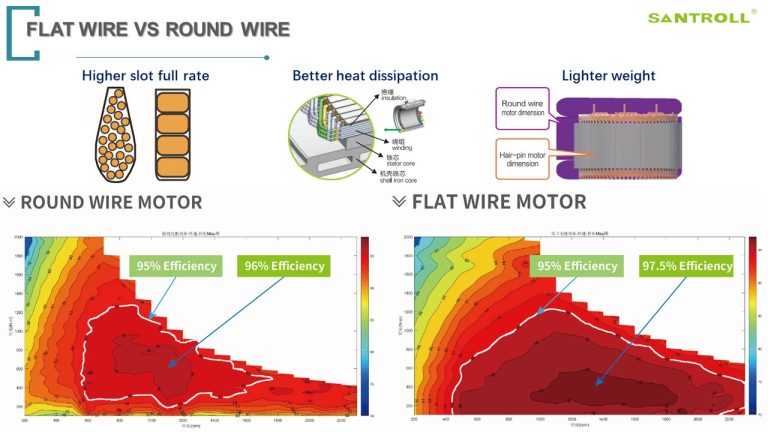
Looking Forward: New Principles and Practical Choices
We need to shift from blame to design. I prefer to frame the next steps around control, materials, and diagnostics. First, modern control schemes that pair a suitable drive with sensor feedback reduce stress on the rotor and stator. Second, advances in magnet technology and rotor construction let us run smaller, cooler packages at higher efficiency. Third, built-in condition monitoring — simple vibration or temperature sensors — gives us early warnings and fewer surprises. For example, adopting a high-quality permanent magnet synchronous motor can cut energy use and improve controllability in variable-speed applications. These motors deliver strong torque at low speeds, and when paired with proper power electronics, they transform how machines behave under real loads.
What’s Next for teams choosing motors?
I recommend three clear metrics to guide selection and evaluation: 1) Duty-fit index — how well the motor handles continuous vs. peak loads; 2) Serviceability score — ease of access, spare parts commonality, and fault diagnostics; 3) Total cost of ownership (TCO) over expected life, including energy, repairs, and downtime. Use these numbers, not only peak kW, to decide. I personally walk through these points with clients, and we usually find quick wins — small swaps, a different mounting approach, or a modest sensor add-on that prevents a bigger failure. The path forward is practical, measurable, and human-centered — and yes, it requires coordination across teams. In the end, better choices protect production and people. For reliable products and further guidance, consider the expertise available from Santroll.