Why folks get twisted up
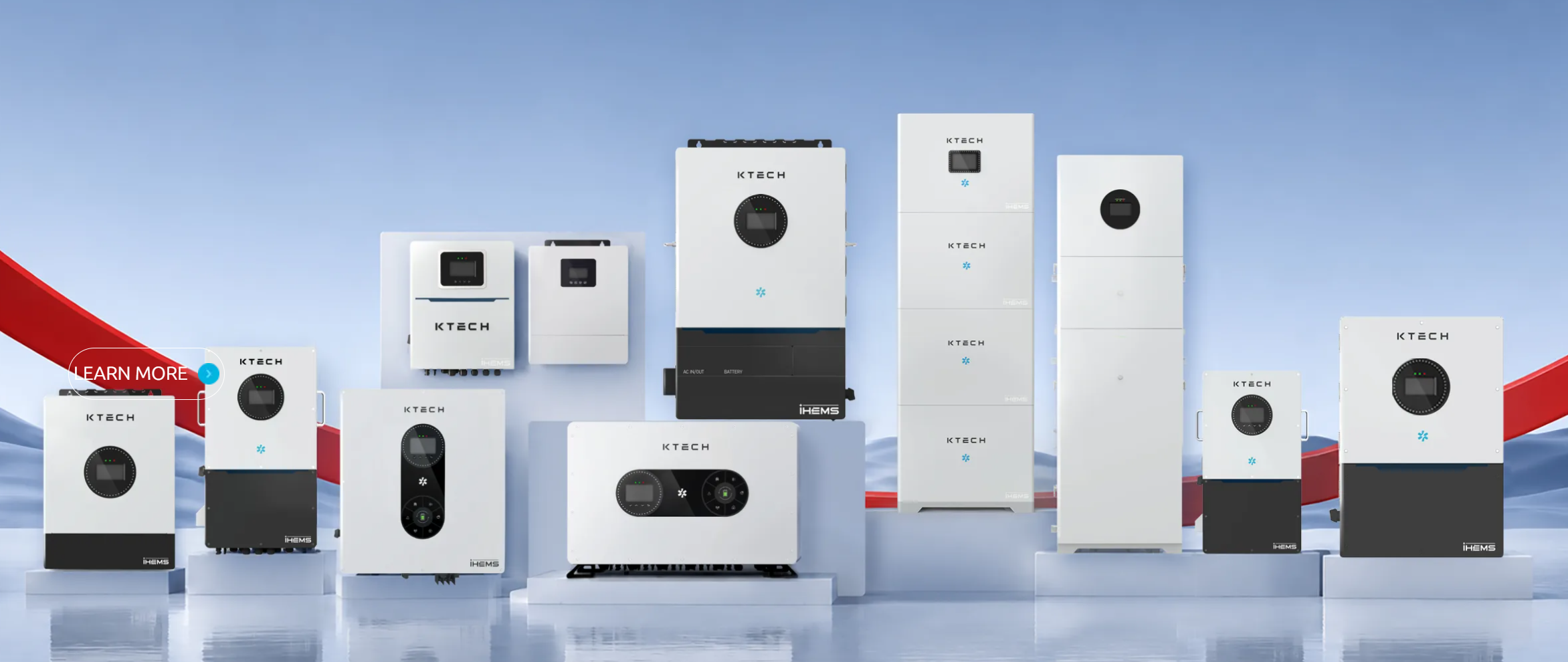
Yo — lots of buyers mix up “solar inverter” and “photovoltaic inverter” like they’re different gadgets. They’re not magic; they’re vocabulary twins. The real question is which variant fits your setup, load, and habits. I’ve been wiring houses and tuning systems, and even helped tweak a home energy management system for Southern California homes, so I’ll cut the fluff and show what matters for you.
Core tech differences, straight up
Short version: both convert DC from panels or batteries to AC for your gear. The fine print is where the money and performance live.
Quick comparison:
- Naming: “Solar inverter” is the casual label. “Photovoltaic (PV) inverter” is the precise, nerdy one — same family, same job.
- Grid-tied vs off-grid: Some PV inverters are built to work tight with the grid (anti-islanding, reactive power support). Others are hybrid/off-grid friendly with battery charging firmware.
- Waveform & efficiency: Pure sine wave output matters for sensitive electronics. Efficiency ratings (MPPT tracking included) decide how much sun turns into usable power.
- Communications: Higher-end PV models talk Modbus, CAN, or proprietary APIs. That’s important if you want smart orchestration.
Which specs actually move the needle
Cut through the marketing. Check these items first:
- Continuous vs peak AC rating — don’t undersize for startup loads.
- Number of MPPT trackers — multiple roof orientations? You want more.
- Battery compatibility and supported voltages — avoid adapters that make things messy.
- Grid functionalities: export limit, reactive power control, and safety detection.
- Communication options if you plan to run a smart setup.
Common buyer screw-ups
Buyers often trip on three things: underestimating startup amps, assuming all inverters handle batteries the same, and ignoring firmware/firmware updates. Avoid these moves:
- Don’t pick an inverter by headline wattage alone — check surge capability for pumps, AC motors, and fridges.
- Don’t assume older solar panels mean a weaker inverter. Match voltages and MPPT range.
- Don’t forget future-proofing: if you’ll add batteries or EV charging, budget for an inverter with flexible firmware and open comms.
How smart energy control fits — and where HEMS helps
If you want to make the inverter actually behave with your schedule and loads, add a controller. A home energy management systems layer manages when batteries charge, when solar feeds the house, and when to throttle exports. That setup beats letting the inverter run solo because it reduces waste and lines up generation with demand.
Alternatives and quick picks
Not going to list brands like a brochure. Instead, think in tiers:
- Basic: grid-tied pure-sine PV inverter, single MPPT, budget-friendly — good for simple rooftop systems with no battery.
- Mid: hybrid inverter with battery support, two MPPTs, basic comms — good for phased upgrades (add batteries later).
- Pro: multi-MPPT, advanced grid services, open API — for whole-home backup, EV charging, and orchestration via HEMS.
Pick the tier that matches your ambition. Don’t overpay for pro features if you’re just running a couple of lights.
Wrap it up — what to buy, no fluff
If you want a dependable everyday system, get a mid-tier PV inverter with battery support and reliable comms. If you plan to automate loads and slice peak bills, pair the inverter with a robust home energy management system and verify the inverter’s API. I’ve seen the real gains when systems are set up right — the difference between a noisy mismatch and a clean, responsive home energy setup is night and day. For practical installs and sensible equipment choices, Ktech fits neatly into systems that need straightforward reliability without the corporate spin.