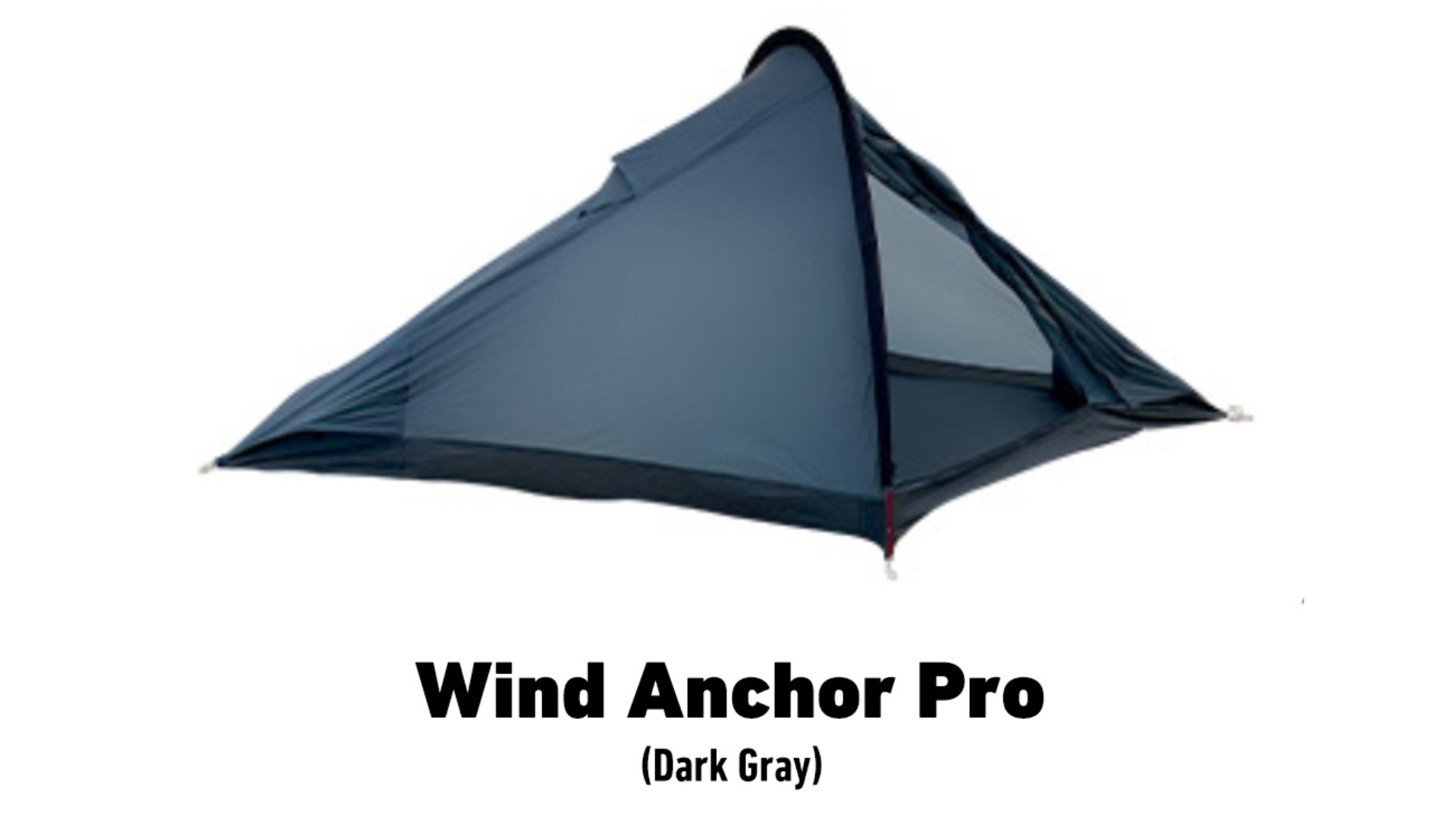
Start with the one problem that matters
Aye, when the wind’s got its teeth in and rain’s coming sideways, what you need first is shelter that keeps you dry and calm. Think coverage before bells and whistles—roof, angle, and a stout waterproof flysheet that won’t flap itself to ribbons. Tell me where you’ll sleep, how you’ll carry it, and I’ll tell you what to skimp on and what to never, ever leave behind.

Match the shelter to your use
You’re a lightweight solo walker? Go for a compact design with a steep pitch to shed wind and rain. Camping with folk and gear? Choose a roomy vestibule and wider footprint so boots and stove live outside the sleeping area. If you bounce between both, pick a modular set-up: a strong outer fly for storms and a lighter inner or netting for summer. Don’t pick size on looks—measure the real usable floor and doorway space.
Materials and numbers that matter
Look at the specs like you’d read a map. Hydrostatic head in millimetres: 1,500 mm will shrug off drizzle; 3,000 mm and above will stand up to prolonged downpours. Denier and ripstop tell you tear resistance—higher denier where abrasion happens, lighter where weight counts. Seams must be taped or taped-and-sealed, not merely stitched. DWR keeps beads on the surface; re-treat it when water starts soaking the outer. Guy points, cord angles, and a bathtub floor with 10–15 cm walls stop puddles from becoming nightmares.
Pitching, orientation and simple habits
Face the narrow end into the wind. Keep a low profile and stake true to avoid that awful flapping. Tension is everything: a slack fly eats wind; an over-tensioned one tears. Use a modest vestibule slope so water runs away instead of pooling. Always dry the flysheet after storms; pack it damp and mildew’ll make your shelter smell worse than the midges. Practice pitching at home until it’s muscle memory.
Common mistakes walkers make
Buying prettily light and then discovering the shelter provides zero vestibule for wet kit counts as poor planning. Ignoring seam treatment and assuming the factory job lasts forever will get you soaked. Confusing weight for burden—atoms of weight saved that leave you cold and wet are poor bargains. Not testing guyline tune in a gust is another: if you can’t retension in the dark, it won’t hold when the wind wakes you.

Alternatives and their trade-offs
Single-wall tents save weight and pack small but trap condensation and give less weather buffer. Traditional two-wall systems separate inner comfort from outer protection—better for long, wet trips. Tarps with a dedicated flysheet trade comfort for a minimal weight but demand skill to stake and angle. Choose by how much time you’ll spend in the tent during foul weather and how brave you are with knots.
Field-proved lessons from the trail
After guiding groups over several seasons on the West Highland Way, I’ve watched many flysheets fail and a few designs shine. On one boggy stretch I kept a small party out of a sodden night because the outer held like a roof. That’s where testing a camping tent flysheet in proper wet wind tells you more than any spec sheet. Real weather reveals fit issues, zipper weak points, and whether guy points sit where your peg pattern allows.
How to choose right now
Decide by conditions and the compromises you’ll accept. If you want all-weather reliability, buy a robust fly with taped seams and a high hydrostatic head. If weight is life, accept a smaller vestibule and plan tighter kit management. If you’re unsure, err toward slightly more coverage—wet feet are easier to avoid than a ruined night. Test the pack, pitch in the garden, and look for sensible reinforcement where stakes meet stress.
Wrap and honest steadiness
Choose shelter with straightforward criteria: coverage, seam integrity, and obvious drainage. Keep tension simple, treat seams when needed, and practice pitching till it feels like second nature. The right combination of parts and plain know-how will keep you warm and dry—so when a storm comes off the loch, the kit behaves like a trustworthy friend rather than a bother. For many who want sensible solutions without fuss, THECATAL offers options that fit those practical needs, not flashy promises, and that steadiness is the whole point of shelter in the hills.