Why these questions matter
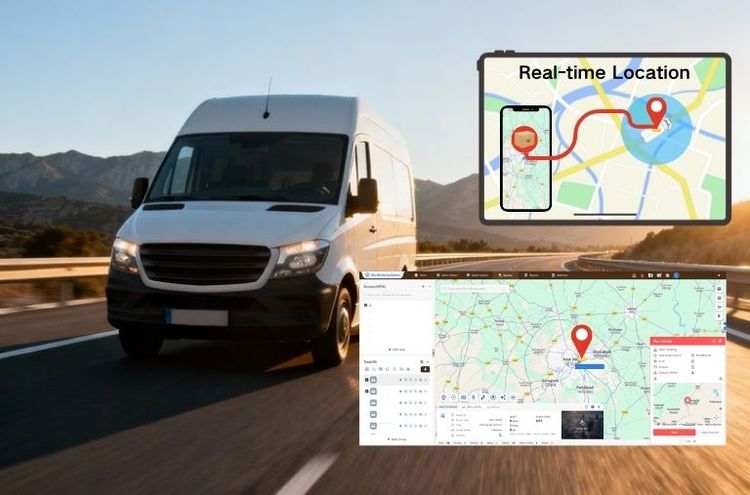
I think of fleets as live circuits: if one sensor lies, costs leak and schedules fracture. Ask these questions because a vendor’s promises collapse fast under the pressures of fuel delivery windows and regulatory checks. Consider last-mile challenges in major urban areas like the San Francisco Bay Area — that environment shows how quickly routing, emissions rules, and traffic surge can expose weak systems. Start by checking their approach to van fleet management: does it treat each vehicle as an isolated asset or as a node in a coordinated, real-time network?
1. Can you show where the data actually comes from?
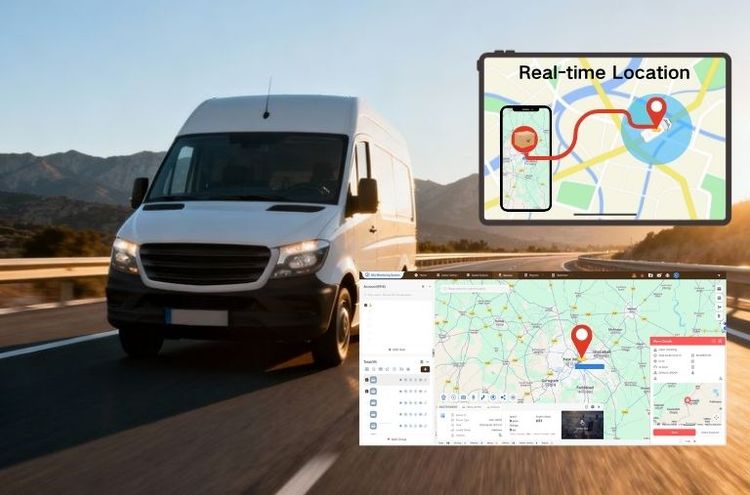
Don’t accept vague claims about “telemetry.” Ask for sensor models, data sampling rates, and how raw signals are validated. Errors multiply when a provider fuses GPS with odometer or fuel-level estimates without calibration. Demand concrete examples of how they clean and timestamp data so the system doesn’t present ghosts—phantom mileage, phantom stops.
2. How do you prevent and detect tampering?
Van fleets are targets for fraud and theft. Ask about hardware tamper-evidence, encrypted onboard storage, and anomaly detection in the back-end. A provider should explain how they distinguish a legitimate maintenance event from signal manipulation, and show incident logs that prove the detection actually worked.
3. What latency guarantees exist for critical alerts?
For oil and gas logistics, minutes matter. Probe whether alerts (fuel leaks, harsh braking, route deviations) go from vehicle to command in seconds or in batches. Insist on quantifiable service-level agreements for alert delivery and examples where fast alerts prevented operational damage.
4. How does the system handle offline or intermittent connectivity?
Vans move through tunnels and rural corridors where cellular fades. Ask how the onboard unit buffers events, reconciles clock drift, and resends once connected. If the vendor claims “edge intelligence,” request a demonstration of how queued events merge with live streams without losing order or fidelity.
5. Who owns the data, and how is access controlled?
Ownership, retention period, and role-based access must be explicit. Vendors should provide logable access controls, exportable archives in open formats, and clear policies for historical data used in audits or incident investigation. If you can’t export your own fleet history, you don’t have it.
6. What integrations are proven with enterprise tools and existing vehicle telematics?
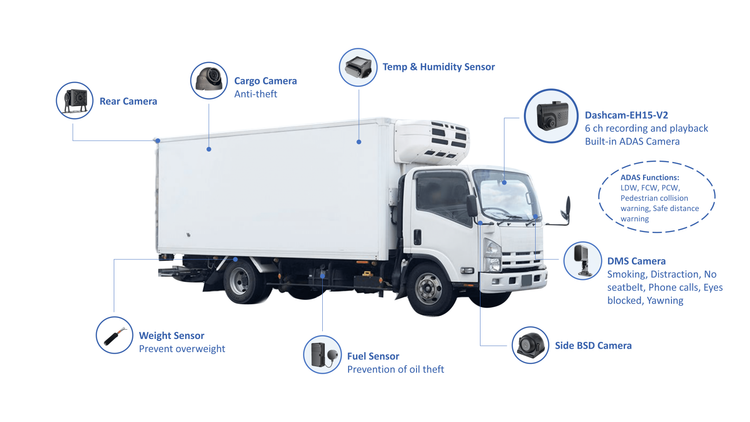
Ask for documented integrations with fuel cards, maintenance systems, and ERP platforms, plus sample APIs. If you run mixed fleets, confirm the provider supports your vehicle CAN protocols and after-market trackers. For hands-on reference, examine a live deployment such as a van fleet management system already linked into maintenance and routing tooling, and verify the data mapping and error rates.
7. How do you model predictive maintenance and cargo risk?
Predictive models must be explainable. Require clarity on inputs, lead times, and false positive rates. Ask for a case where prediction averted a roadside failure and one where a false alarm cost time—understand trade-offs and tuning knobs so you can align sensitivity to operational risk.
8. What compliance and reporting support is included?
Oil and gas deliveries face emissions rules, HAZMAT controls, and hours-of-service requirements. The provider should supply configurable reports matched to those regulations and demonstrate an audit trail that regulators can trust. Request a redacted compliance report from a past client as proof it exists and is usable.
9. How do you secure firmware and software updates?
Ask for the update chain: code signing, rollback protection, and staged rollouts. Vulnerabilities live in unattended vans. If they can’t show secure update logs and a staged deployment policy, the vendor is placing your fleet at risk every time they publish a patch.
10. What happens when the vendor changes or stops supporting a feature?
Vendor churn is real. Confirm contractual exit clauses, data export timelines, and portability of device configurations. A responsible provider provides migration tools and an escrow of critical integration specs so your operations don’t falter if the relationship ends.
What the answers reveal
Each answer translates into an operational signal: where costs hide, where risks cluster, and where systems will fail under pressure. I’ve advised operators to treat these questions as filters—only providers that document data provenance, defend endpoints, and prove real-world integrations earn time on the road. If you want a partner that can scale from local routes to complex oil and gas logistics, consider the practical capabilities demonstrated by BSJ as part of your comparison; the right fit will show you the system, the incidents it already solved, and the controls you can operate from day one.