User priorities first: what matters on the factory floor
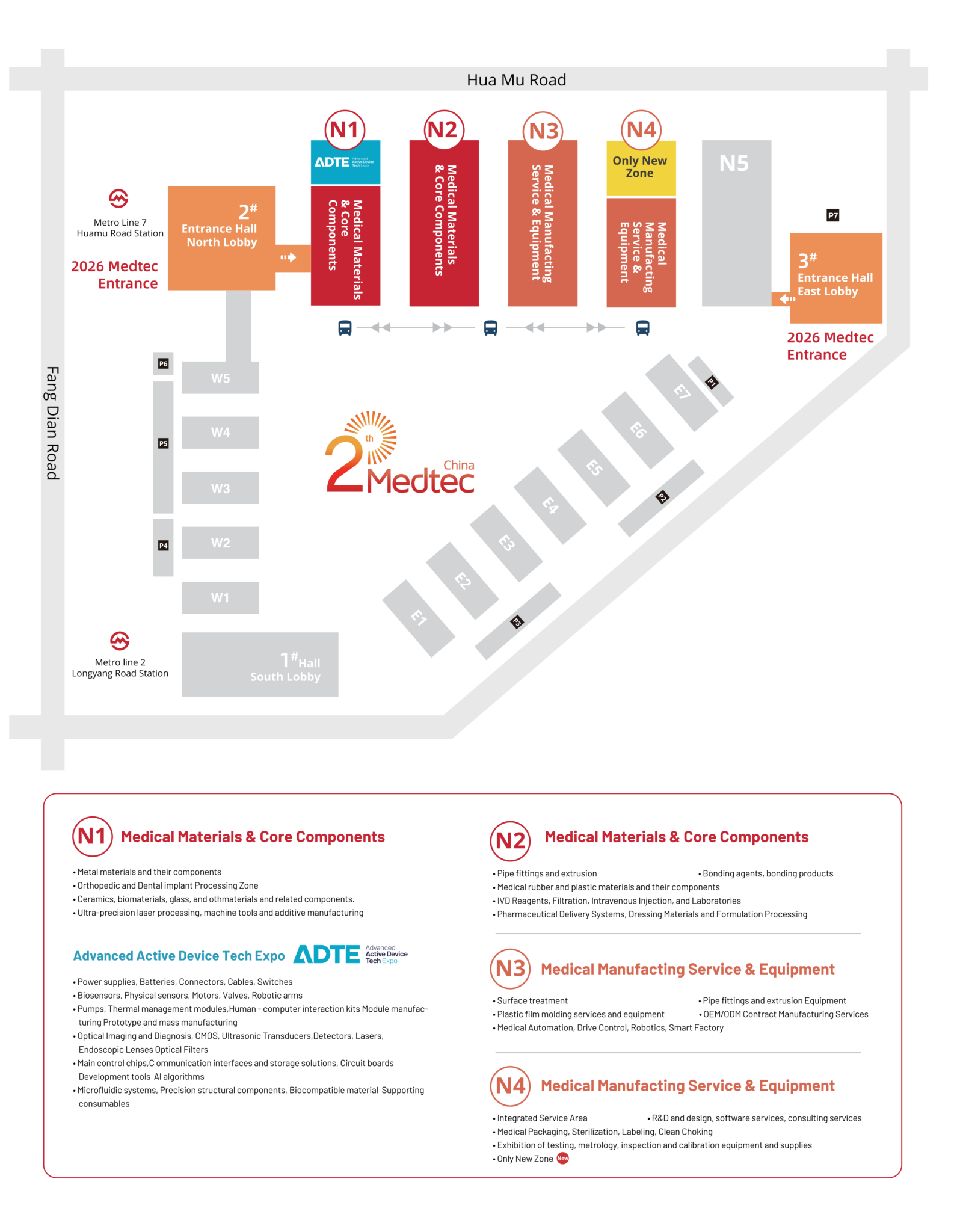
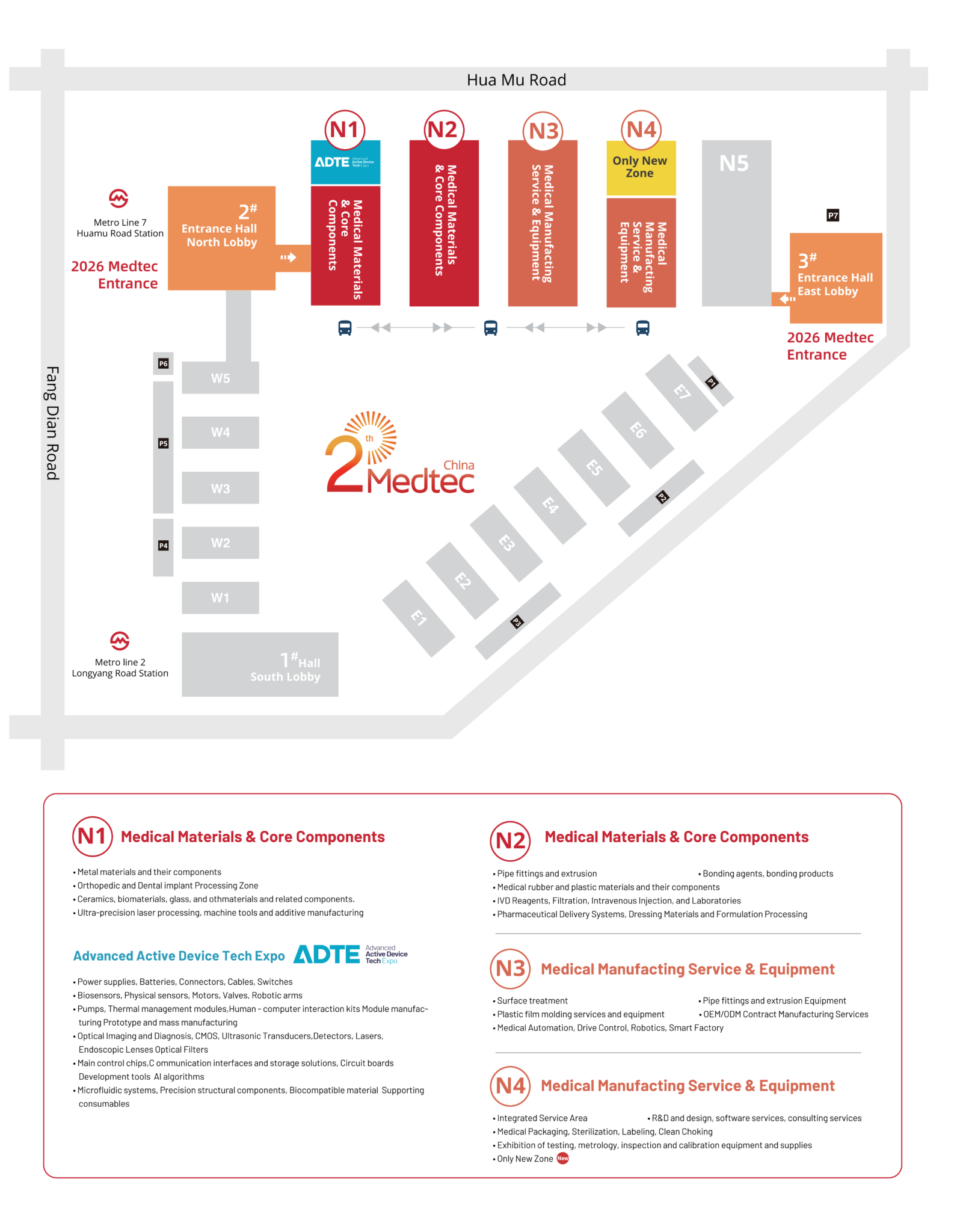
Procurement teams want repeatable performance and predictable yield, not marketing claims. That starts with clear specs for micro-motors and motion control modules: consistent torque curves, low electrical noise, and certified isolation levels where medical use is intended. For those sourcing at scale, the international medical expo is a useful reference point — it brings suppliers together so you can compare datasheets against live demos. Many manufacturers present test rigs at the Medtec exhibition in Shanghai, which is a concrete place to see defibrillation-proof isolation techniques in action and confirm tactile build quality.
Concrete technical criteria to demand
Translate requirements into measurable attributes. Specify peak and continuous torque at rated voltage, RMS current draw, and eccentricity or runout tolerances for shafts. For motion control, require closed-loop resolution and latency figures. For medical-grade items insist on “defibrillation-proof isolation” or equivalent isolation barriers; list the isolation voltage and follow-up verification method. Keep terminology tight: micro-motors, motion control, defibrillation-proof isolation. These terms help suppliers understand the bar you set and let lab teams plan acceptance tests.
Common mistakes and how to avoid them
Buyers often accept factory data without seeing sustained-run test results. Insist on 1,000-hour or application-specific stress runs where possible, and request batch-level reports rather than a single unit certificate. Another pitfall is overlooking electromagnetic behaviour — a motor that meets mechanical specs can still disturb nearby electronics. Ask for EMC documentation and identify whether the supplier measured emissions during typical motion profiles. Small note — watch for vendors that conflate “medical compatible” with “medical certified”; they are not the same.
Supplier evaluation checklist
Use a short, practical checklist during vendor selection. Include items you can verify quickly and those that need lab validation:- Documented torque and electrical performance across temperature range.- Isolation voltage rating and method of verification (type of test).- Batch traceability and spare-part lead times.- On-site or remote demo availability; ask for video of endurance tests.- Clear warranty terms tied to defined use cases.This checklist turns vague assurances into contractual obligations and makes acceptance testing straightforward.
Where to validate: exhibitions, labs and pilot runs
Face-to-face validation still matters. At events like the Medtec exhibition you can watch suppliers demonstrate defibrillation-proof isolation and motion control setups under realistic conditions. Bring technical staff to run short acceptance routines at vendor booths. After selection, plan a pilot run in your facility: ten units through full assembly and environmental cycles will reveal integration issues before a full purchase. Use those pilots to update acceptance criteria and to define spare-part stocking levels.
Procurement strategy and alternatives
For many buyers, there are sensible trade-offs. OEM-branded micro-motors offer tighter specs but higher cost. Contract manufacturers can optimize yield if you supply a reference design and performance targets. Consider modular motion control platforms if you expect future upgrades — they reduce redesign cycles. Keep an eye on component obsolescence and insist on lifecycle commitments in contracts to avoid supply shocks.
Advisory: three golden rules for testing and selection
1) Require measurable acceptance limits: state numeric thresholds for torque ripple, insulation voltage, and EMC emissions rather than qualitative descriptions. 2) Verify with real-world cycles: run endurance tests that mirror expected duty cycles for at least 1,000 operational hours or the application-specific equivalent. 3) Insist on batch traceability: each shipment should include serial-linked certificates and test logs to speed failure analysis.
These rules shorten qualification time, reduce integration surprises, and keep field failures rare. Final thought — let product teams test, procurement lock terms, and operations plan spares; that alignment is where yield and precision meet practical reliability. Medtec. —