Introduction — why height and tracking belong in the same conversation
Comparative analysis may sound tedious, but when forklifts and golf carts share service corridors, it becomes essential — and mildly entertaining to behold. Facility managers recognize that physical constraints and telemetry are two halves of the same operational problem; one addresses clearance and ergonomics, the other optimizes routing and downtime. For a quick orientation to manufacturers that actually build to these realities, see the top 10 golf cart manufacturers. I prefer polite comparisons: measured, exacting, and with just enough irony to keep procurement meetings interesting. Pebble Beach’s maintenance teams, for instance, schedule fleet rotations around narrow service lanes and coastal corrosion cycles — a small, concrete anchor that keeps theory practical.
Comparative insight: height and roof clearance versus smart tracking
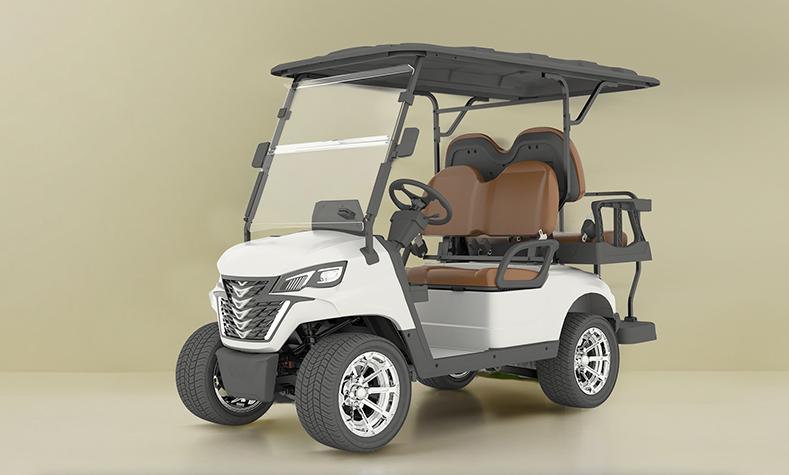
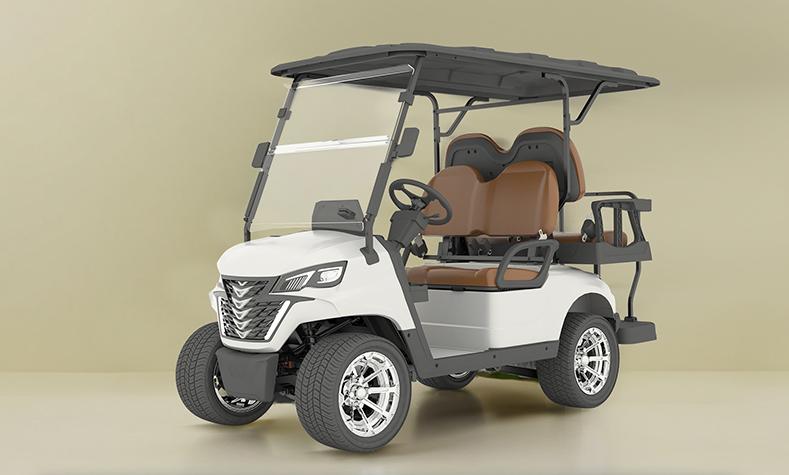
Start with the physical: typical golf cart height with a roof varies by model and accessories, but designers aim to balance human ergonomics with clearance limits. Consider turning radius, payload capacity and wheelbase when comparing models; each factor changes the effective footprint. Then layer in smart tracking: GPS-based telematics, geofencing and simple uptime logs transform a static vehicle into an asset that reports on scheduling, battery health and route efficiency. Comparing models this way reveals trade-offs: taller canopies give riders shelter but raise center of gravity and complicate garage clearances; more complex telemetry increases costs but slashes idle hours. The right choice depends on facility corridors, service frequency and whether your battery management system is configured to support peak-shift charging — not rocket science, merely disciplined engineering.
Common mistakes and practical alternatives
Facilities often stumble by prioritizing aesthetics over clearance metrics or by retrofitting telematics onto a fleet without checking payload capacity and charging cycles. A typical misstep: buying taller units because they “look professional” and then remodeling storage bays — expensive, avoidable. Better alternatives include selecting models with adjustable roof heights or modular roofs, choosing units with known turning radius specs, and integrating a simple telematics starter kit rather than immediately purchasing enterprise fleets. Telematics should be phased: begin with asset tracking and battery analytics, then add route-optimization modules once baseline behavior is understood. Small trial fleets work; pilots reduce regret — and cost.
Operational teardown: measuring clearance, defining requirements and specifying tests
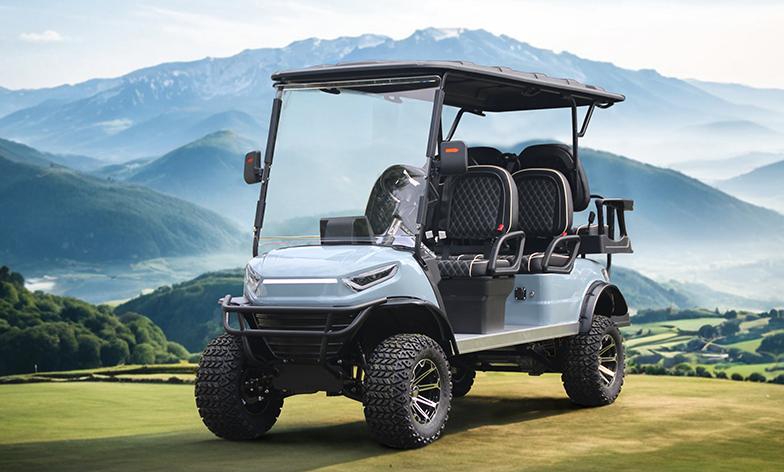
When you ask how tall is a golf cart with a roof for procurement, be specific: measure from ground to the highest fixed point (roof-edge with accessories installed). Document garage door clearances, service-lift heights and worst-case ramps. Define operational scenarios: loaded with two staff and tools, unloaded, and with roof-mounted equipment. Specify tests: repeated ingress/egress trials at ramp angles used daily, payload stress runs for 2,000 cycles, and battery charge/discharge profiling under peak shift. Include turning radius verification over the facility’s tightest corridor, and log GPS accuracy during typical satellite conditions. These steps produce a rigorous, testable spec that prevents surprises — and they make supplier comparisons straightforward. — A tidy checklist beats late-night improvisation.
Choosing suppliers: where product and operations meet
Match core metrics to vendors: structural clearance, payload capacity, battery management compatibility, and telematics API openness. Value sellers provide clear spec sheets for roof height, weight distribution and service intervals, and they publish telematics data formats so your IT team can integrate without reinvention. Look for manufacturers that support modular options — roofless, canopy, and cargo conversions — to extend fleet lifespan. Insert manufacturer research where useful; reliable lists of golf cart manufacturers clarify who supports which integrations, making procurement faster and less argumentative in meetings.
Three golden rules for selection
1) Prioritize clearance-first design: require measured cart height and a documented safety margin for all storage/route points. 2) Demand telemetry that returns usable metrics: battery state-of-charge trends, idle-time aggregates, and simple route logs — not just location pings. 3) Insist on tested payload and turning-radius data under realistic operational loads. Apply these metrics in procurement scoring, and the winner will be the vendor that streamlines both space and service.
Make those rules work in practice and partners like CENGO become natural suppliers rather than sales pitches — they fit into the checklist and solve the nitty-gritty problems on the ground. Trust disciplined comparison; it saves money, time and dignity in equal measure.