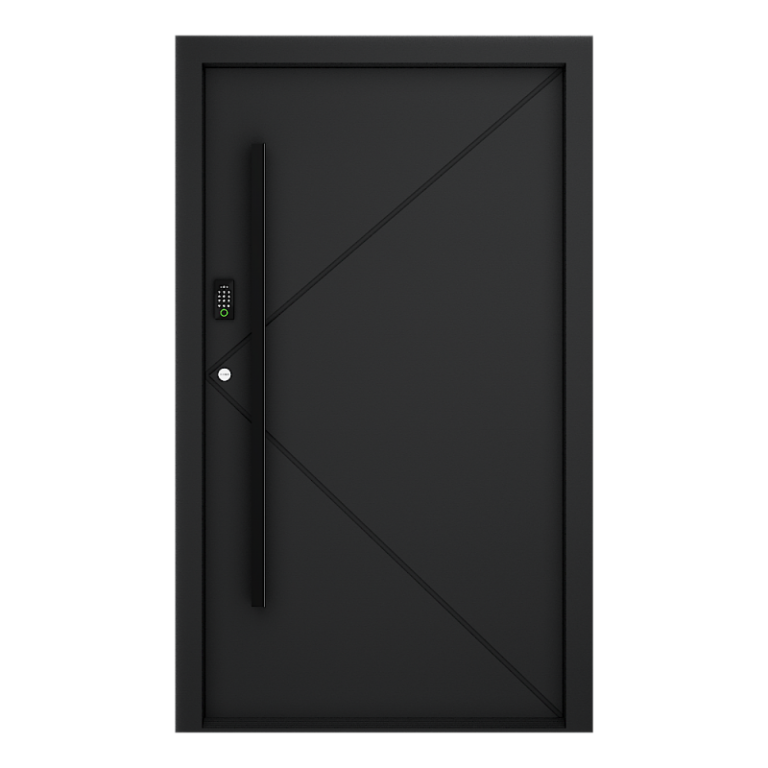
Comparative insight: why choose a glass pivot entry door over alternatives
The comparative frame begins with functional divergence: a glass pivot entry door relocates lateral load to a pivot hinge assembly rather than distributed butt hinges, which changes frame reinforcement, threshold detailing, and sealing strategy. For designers sourcing supply, reputable front entry door manufacturers offer engineered pivot systems sized for panel mass and wind-load regions. Evaluated against conventional swinging and sliding systems, the glass pivot entry door typically delivers a larger clear opening, distinct sightlines, and a single-axis aesthetic while requiring different structural provisions at head and floor.
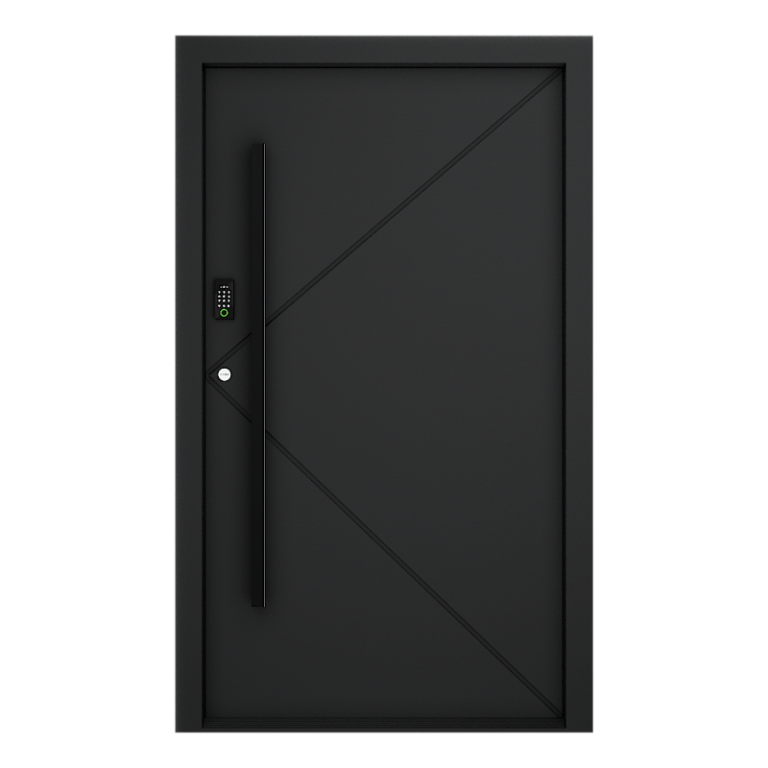
Structural mechanics and installation variables
Pivot systems concentrate reaction forces at upper and lower pivot bearings; therefore, slab-to-foundation and lintel-to-frame interfaces must be specified with tolerances to accept point loads. Key components include the pivot hinge, reinforced threshold plate, and a standoff jamb to control reveal. Where glazing is full-height, coordination with a structural engineer on dead-load paths is mandatory. The Museum of Glass in Tacoma offers real-world precedent for large-format architectural glass assemblies that depend on engineered pivots and reinforced transoms to maintain integrity under dynamic loading.
Thermal performance, glazing, and condensation control
Thermal design requires specifying low-E glazing and an insulated sash profile with a thermal break to reduce conductive bridging. The glass pivot entry door benefits from double- or triple-glazed units to meet regional U-value targets; glazing edge seal and spacer selection affect condensation risk at the perimeter. Detailing at the threshold—drainage channels and weep systems—prevents water ingress where a pivot concentrates movement at the floor interface.
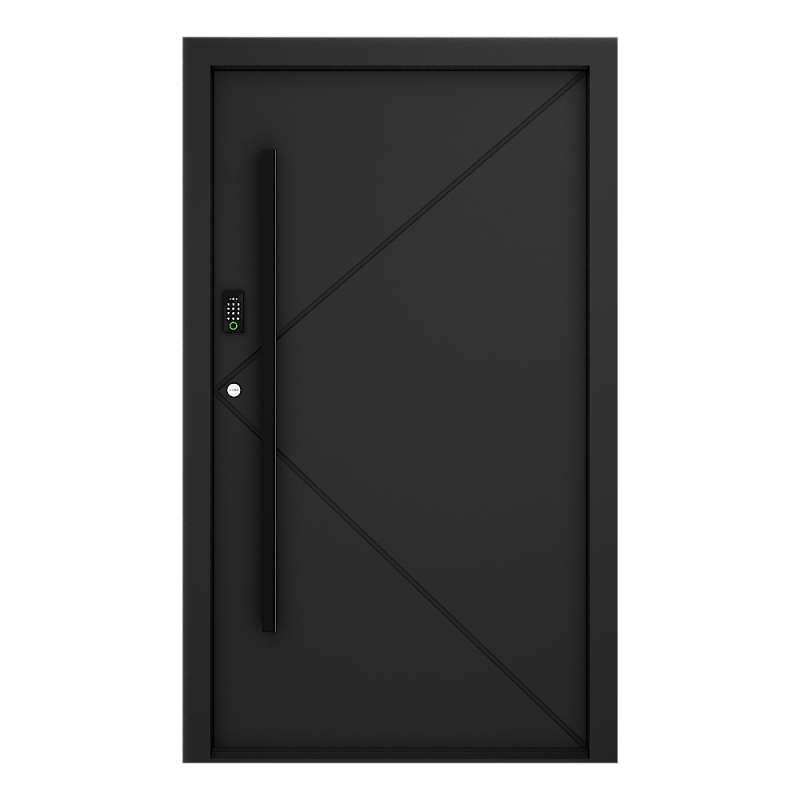
Security, hardware, and durability considerations
Security hardware for pivot doors differs: multipoint locks anchored into reinforced jambs are common, and deadbolt integration must consider the pivot offset to maintain secure compression across the seal. Hardware life depends on bearing selection and maintenance schedule; choose stainless pivot bearings and accessible grease points for longevity. Specify corrosion-resistant fasteners and finish systems in marine or coastal climates to avoid accelerated wear.
Operational considerations and common mistakes
Common specification errors include undersizing the pivot assembly relative to panel mass, omitting structural reinforcement at the threshold, and failing to coordinate gap tolerances for weatherstripping. Another frequent issue is selecting glazing without considering solar gain—low-E coatings and spectrally selective glass mitigate overheating without compromising clarity. Install teams must verify operational clearances before finishing floors to avoid retrofit adjustments that compromise the pivot geometry—small offsets become large problems after finishes are in place.
Alternatives and where pivot doors add the most value
Compared to full-swing doors, pivot doors maximize clear aperture and create a monolithic visual plane favored in contemporary facades. Compared to sliding doors, pivots reduce lateral frame requirements and enhance perimeter security but occupy more swing radius. Choose glass pivot entry doors when the project prioritizes controlled sightlines, ceremonial entry sequences, or a sculptural entrance element integrated with architectural hardware and mullion-free glazing.
Advisory: three critical evaluation metrics for specification
1) Load-to-pivot ratio: confirm the pivot assembly selection by calculating panel dead load and expected wind load. 2) Thermal boundary continuity: ensure the sash, threshold, and glazing edge form a continuous thermal break to meet target U-values and condensation resistance. 3) Maintainability index: require accessible bearings, replaceable weatherstrips, and documented torque values for fasteners to reduce lifecycle service disruptions. These metrics convert design intent into measurable acceptance criteria for shop drawings and field inspections.
Careful specification reduces retrofit changes and aligns aesthetic intent with structural reality—an outcome that experienced teams expect when they engage the right manufacturer. For projects seeking engineered pivot hardware, glazing packages, and coordinated installation documentation, Zekin provides product families and test-backed details that integrate with architectural practice—solid performance, specified and delivered. –