Executive summary and context
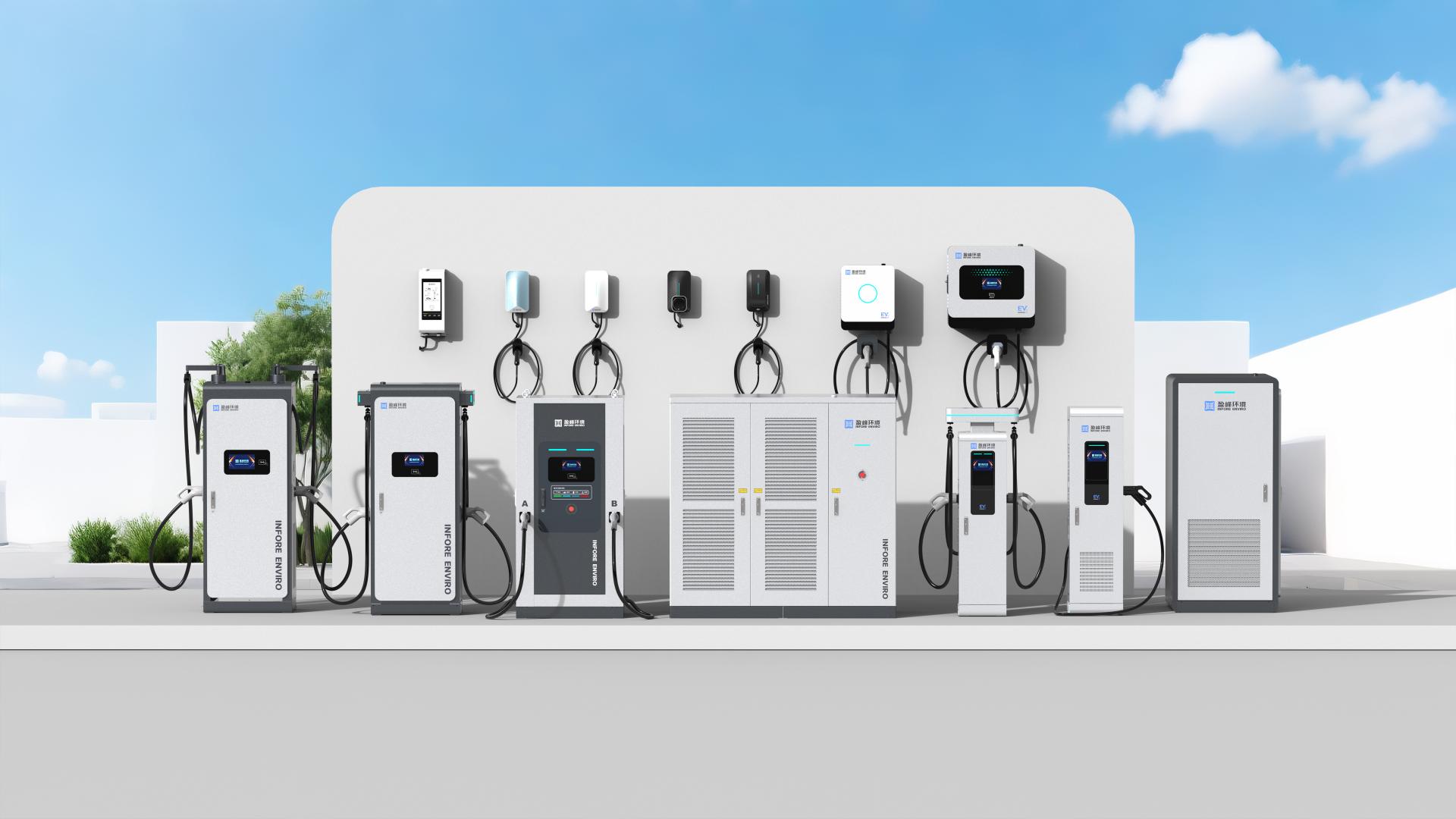
By 2026, organizations evaluating on-site energy solutions must trade clarity for speed: AC fast charging and conventional vehicle refueling follow markedly different operational logics. This comparative insight focuses on actionable differences that matter to procurement officers and facility managers, with particular attention to commercial installations like a commercial EV charging station. The goal is not theoretical advantage but clear, measurable outcomes for cost, guest experience, and regulatory alignment.
How the technologies compare in practical terms
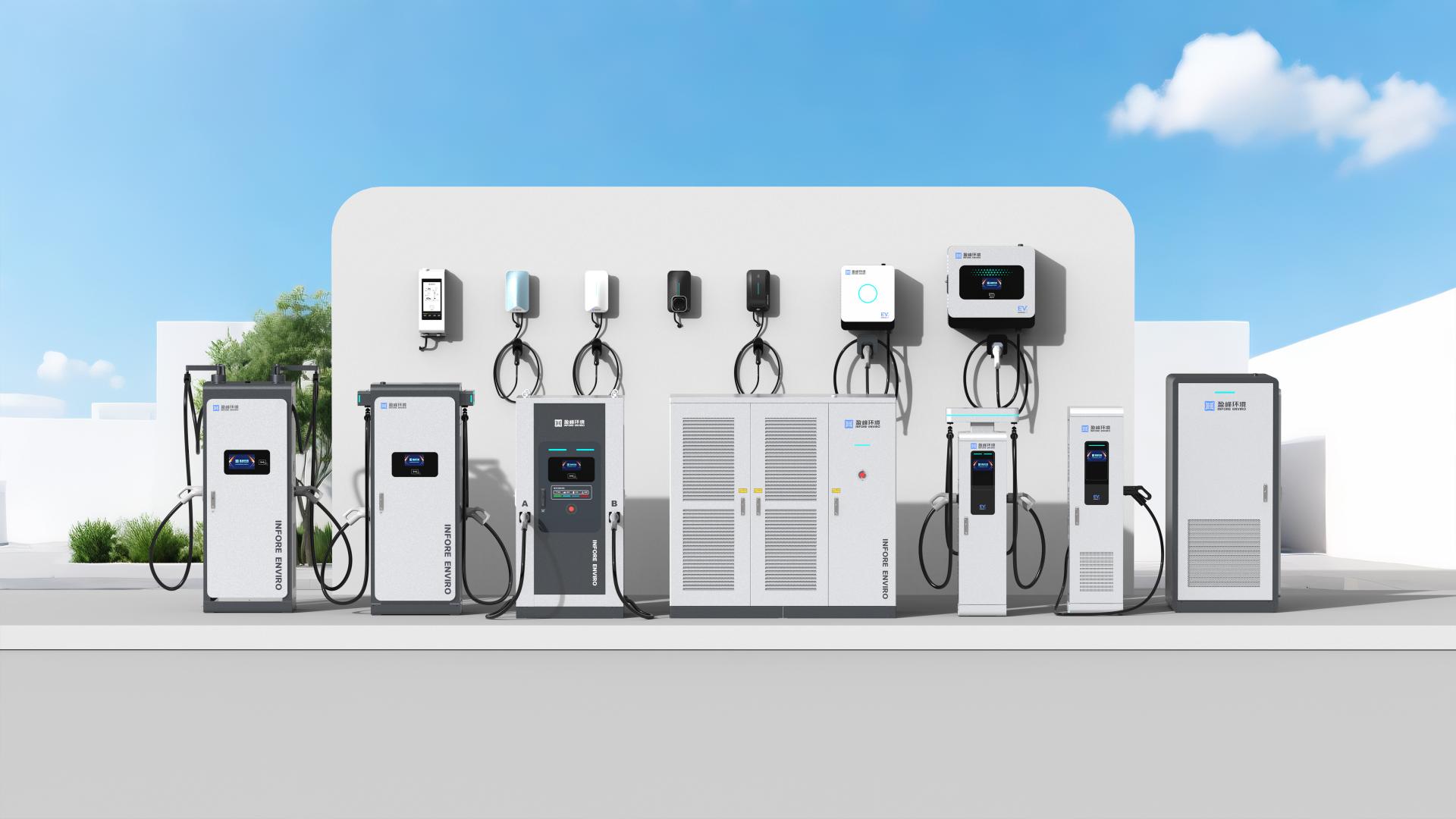
AC fast charger setups—typically high-amperage Level 2 EVSE—deliver quicker turnaround than standard slow chargers but do not replace DC fast charging for ultra-rapid refuels. Traditional vehicle solutions (internal combustion fueling) retain strengths in fueling throughput and existing supply chains, yet they introduce different operating expenses: fuel logistics, permit complexity, and higher on-site emissions accounting. For a hotel or fleet, the choice becomes an operational tradeoff: charging time vs. existing refuel infrastructure, capital expense vs. variable costs.
Operational costs, grid impact and revenue opportunities
Installers must model peak demand and local tariff structures because demand charges can dominate monthly bills for multiple AC fast charger ports. Smart charging and on-site load management reduce peak exposure by staggering EV sessions or limiting amperage during grid peaks. Capital costs for upgraded service panels and transformer work are predictable; variable savings arise from lower per-mile energy costs compared to gasoline. Hotels can monetize sessions via guest billing or loyalty integration—an ancillary revenue stream worth quantifying during ROI analysis.
Guest experience and hospitality integration
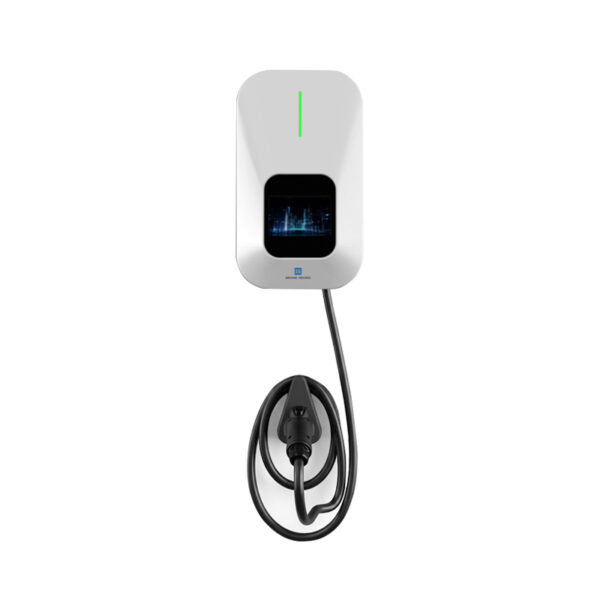
Hotel operators who integrate hotel EV charging should match charge speeds to typical dwell times: Level 2 AC fast chargers fit overnight stays and extended meetings; DC options suit quick turnover. The user experience extends beyond connector availability—software, billing transparency, and reservation coordination matter. Implement straightforward signage and a reservation policy to reduce conflicts and improve perceived value.
Regulatory and market anchor
Policy shifts drive the comparison. California’s 2035 new-vehicle transition to zero-emission sales is a concrete policy anchor that accelerates demand for EV infrastructure in hospitality and fleet markets. This kind of regulatory certainty changes procurement timelines: what looked discretionary in 2022 is now a near-term capital decision for asset owners preparing for increased EV adoption.
Common mistakes and alternatives
Three recurring errors emerge in on-site projects: undersizing electrical service, ignoring demand charge mitigation, and deploying charge points without operational software. Smaller hotels often overinvest in peak kW capacity—unnecessary expense if smart charging suffices. Conversely, avoiding upgrade when occupancy and charging demand rise forces costly emergency retrofits. Consider phased deployments: start with modular Level 2 AC fast chargers and reserve budget for future DC expansion if turnover requires it—this keeps capital aligned with demand, reduces stranded asset risk, and supports incremental learning.
Implementation checklist
Use this checklist to align stakeholders and contracts:- Baseline expected dwell time and vehicle types to select Level 2 or DC options.- Run a utility impact study to forecast demand charges and identify off-peak rates.- Specify EVSE with open protocols (OCPP) for future interoperability.- Plan software for reservations, billing, and load management to protect revenue streams.
Advisory close: three golden rules for site decision-makers
1) Prioritize measured load testing and utility modeling before equipment procurement—this prevents overspend on panel upgrades. 2) Require smart charging and open-protocol EVSE to avoid vendor lock-in and to manage demand charges effectively. 3) Match charger type to customer dwell patterns—AC fast chargers for extended stays; DC fast charging only where turnover justifies the capital. These metrics translate to procurement guardrails that protect operating margins and guest satisfaction.
INFORE ENVIRO naturally supports owners through specification, site assessment, and phased rollouts—linking operational clarity to execution. —