The Road Test Starts Before the Ride
Power without clarity wastes your time. A muscle cruiser deserves more than shiny chrome and a loud spec sheet. Picture this: city traffic opens into a coastal B-road, you roll on, and the bike surges with calm authority. Recent buyer data shows that more than half of riders change their shortlist after a real-world demo—because torque delivery, heat, and brake feel tell the truth. So, how do you compare options in a way that cuts the noise and saves your weekend? Start with three lenses: usable power, control systems, and long-ride comfort (simple, né?). In the world of muscle cruiser motorcycles, the engine’s torque curve, curb weight, and ABS tuning matter far more than brochure horsepower. The ECU map, not the headline output, decides whether tight turns feel tidy or tense. And yes, small things like lever effort and seat density can make a 20-minute joyride feel like two hours. You want a machine that keeps its balance between low-end grunt and stable chassis feedback, especially when the road ripples or the wind picks up. Because when a bike glides through mid-corner bumps without drama, the ride becomes easy—almost quiet.

Here’s the move: stack bikes against the same three lenses, then ride them in the same loop. You’ll feel which one is honest. Now, let’s zoom into the deeper layer behind those first impressions.
The Quiet Trade-offs No Brochure Shows
What actually holds you back?
Traditional “big-engine equals better” thinking hides pain points. A heavy crank and tall gearing can mute low-speed response, making stops and U-turns clumsy. Long wheelbase helps straight-line stability but can dull tip-in on slow corners. Torque is great, but without smooth throttle-by-wire calibration, it surges in traffic. That’s why many riders report fatigue from uneven fueling, not raw vibration. Look, it’s simpler than you think: consistent fueling plus a predictable torque band beats peak power for daily rides. Add in how the slipper clutch behaves on downshifts and whether front forks resist dive under firm braking, and you’ll see why some bikes feel “nervous” at 40 mph yet fine at 80. These are the trade-offs most glossy pages skip.
Refer back to our lenses and ask: does the bike keep you fresh after an hour? Heat soak near the thighs, handlebar buzz above 4,000 rpm, and a vague rear brake pedal can drain joy. Even the gear ratios matter; a too-tall second gear forces annoying clutch slip in slow zones. Meanwhile, better ECU mapping and a well-matched final sprocket ratio make roll-ons clean and stress-free—funny how that works, right? For many muscle cruiser motorcycles, the secret sauce is less about cubic centimeters and more about how the package manages weight transfer, fueling smoothness, and chassis feedback together.
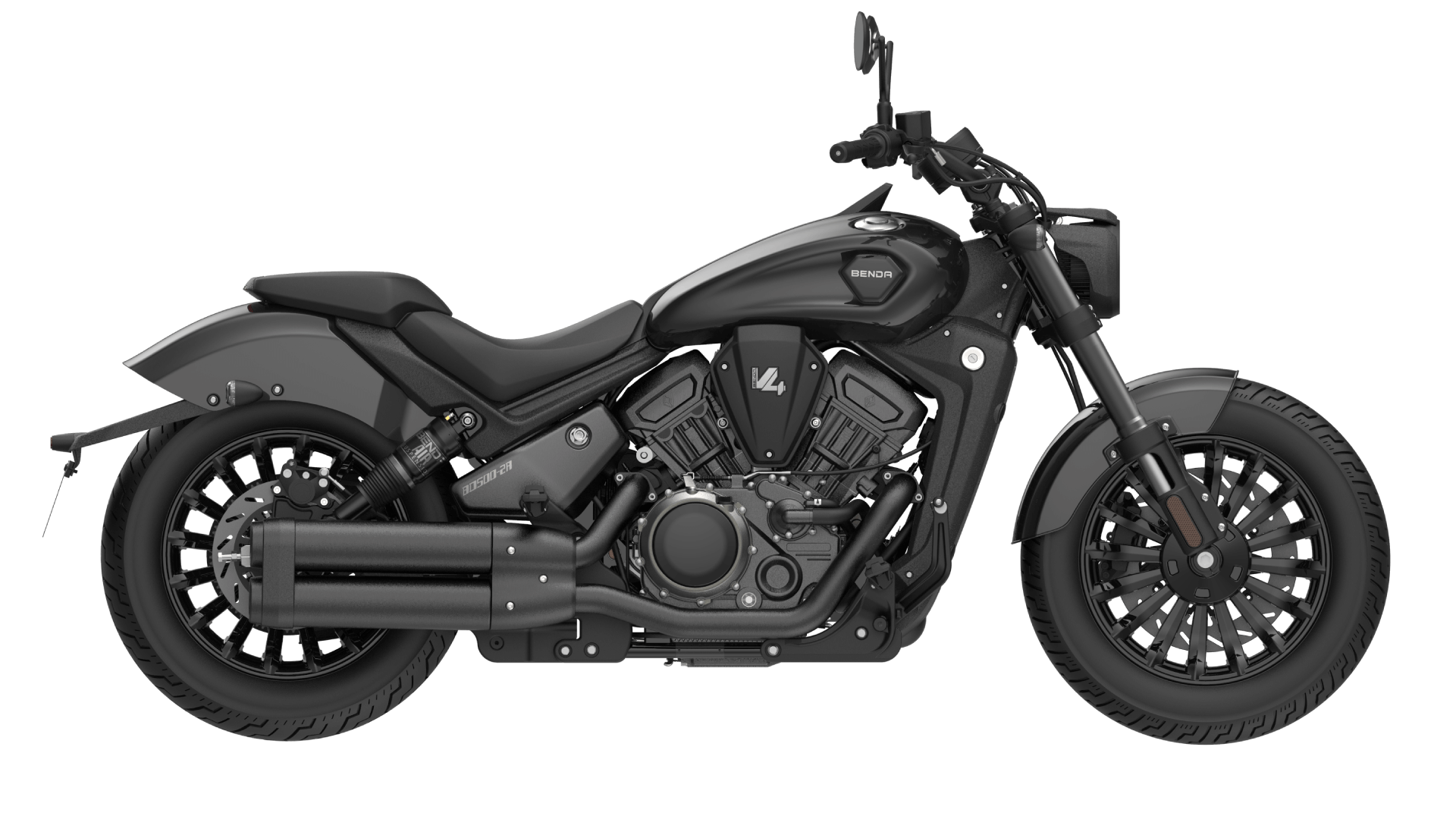
Forward-Looking: Smarter Muscle, Cleaner Lines
Real-world Impact
The next wave of muscle cruisers is not only about displacement; it’s about systems working in sync. New technology principles are changing the class: inertial measurement units refine traction control in corners, ride-by-wire lets the ECU shape torque in layers, and CAN bus coordination keeps ABS and engine braking on the same page. The result is a bike that learns your rhythm instead of fighting it. When you’re comparing the best muscle cruiser options, watch how rider modes alter mapping and whether the forks and shock are valved to match that response. A well-tuned midrange with a clean throttle pickup will beat a spiky top-end hit on any backroad. And do not ignore heat management and seat-to-peg triangle; tech is only good if your body can use it for two hours straight.
Looking ahead, expect lighter rotating masses, smarter engine braking control, and chassis updates that reduce dive without killing feel. Small changes in swingarm stiffness and bushing spec can calm the bike in bumpy sweepers. Manufacturers are borrowing lessons from sport touring—subtle, clever, effective. Summing up our lenses, we want: torque that arrives early and stays calm, control systems that vanish into the background, and ergonomics that keep your posture neutral. Advisory close-out: choose with three metrics in mind—1) usable torque band across your common speeds (not just dyno peaks), 2) composite control score combining ABS feel, throttle response, and brake dive, and 3) comfort endurance index measured after a one-hour loop in mixed traffic. If those three line up, you’ve found your keeper—everything else is decoration. BENDA