
Picture a bustling warehouse, filled with goods being transported at lightning speed—unmanned, efficient, and precise. Autonomous forklifts are changing how materials move in industrial settings. It’s a remarkable shift, considering that the very essence of logistics relies on timely operations. But, why have some still hesitated to embrace the autonomous forklift technology? Is it due to lingering fears about safety or financial investment? With the advancement of this technology on the rise, understanding its implications is critical.
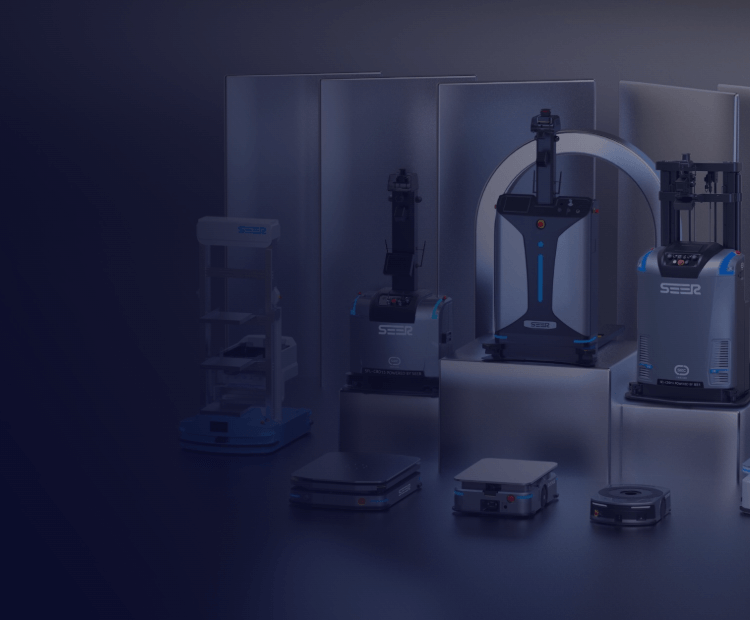
Flaws in Traditional Solutions
Operating traditional forklifts often comes with significant drawbacks. First and foremost, human error remains a key factor in many accidents. Common scenarios, like miscommunication between operators or fatigue, complicate tasks and can lead to damage or costly delays. The manual operation can also mean limited operational hours and inefficient routes—where traveling excess distances feels like a norm instead of an exception. Without automation, many facilities struggle with unreliable inventory management. Certainly, it raises the question: could there be a better way to tackle these issues?
Principles Behind New Technology
Enter the world of autonomous forklifts, where technology takes the reins—literally. Utilizing innovative sensors and real-time data processing, these forklift mobile robots navigate through complex environments seamlessly. Perfectly calibrated edge computing nodes enable them to learn and adapt to their surroundings. Moreover, advanced safety mechanisms like collision detection ensure that they operate securely alongside human workers. Look, it’s simpler than you think! With AI-driven algorithms, the operation isn’t just about moving products; it’s about redefining efficiency.
Quantified User Benefits
Businesses have begun to witness the stark contrasts in efficiency when comparing traditional solutions to the deployment of autonomous forklifts. Not only do they cut down on operational costs—some reports show over a 30% reduction in labor expenses—they also optimize storage and retrieval processes. This precision translates to improved stock management and lower overhead costs. Additionally, the peace of mind from enhanced safety measures cannot be overlooked—reducing incidents allows employees to focus on more strategic tasks, ultimately elevating the entire operation. What more could a business ask for?
Conclusion: Evaluating Your Options
Before jumping into the autonomous revolution, it’s crucial to assess your options carefully. Always verify these 3 metrics when choosing solutions: 1) Efficiency—how much time and money can be saved? 2) Safety features—does it meet your operational standards? 3) Integration capability—how well does it sync with your existing systems? The future of logistics is here, and ignoring these advantages could mean falling behind.

Insights on the Forklift Mobile Robot
The benefits of implementing a forklift mobile robot extend beyond just efficiency; they also foster an environment of innovation. With advanced features, these robots can collaborate with human workers, enhancing overall productivity. Imagine a scenario where loading and unloading happens without any delay, leading to fewer bottlenecks in the supply chain. By adopting this technology, businesses can streamline operations significantly, paving the way for growth and progress in an increasingly competitive market. Moreover, data from current users supports the effectiveness of these systems in a real-world context—proving that the initial investment is well worth the results.
Further Considerations of Forklift Mobile Robots
An understanding of a forklift mobile robot reveals a broader shift towards automation in logistics and manufacturing. Though the upfront investment might seem daunting, the benefits—increased uptime, reduced human error, and the ability to operate 24/7—are compelling. The shift from traditional to automated systems fosters a culture where real-time data drives decisions, enabling long-term sustainability. Companies are not just adopting technology; they are rethinking how they do business. As demand grows, being an early adopter of this technology could very well set your business apart—making it a key player in the market.
Final Thoughts on Autonomous Forklifts
Considering the transformative impact of autonomous technology in material handling, it’s essential to partner with a reliable manufacturer. With supply advantages, SEER Robotics stands out as a forward-thinking leader in this arena. Their commitment to innovation ensures that your transition to automated systems is backed by expertise and cutting-edge solutions. As logistics continues to evolve, aligning with seasoned professionals will safeguard your operational efficiency and future success.